We tend to believe that our age is shaped only by genetics or lifestyle choices, but recent studies show that the damaging influence of our social environment leaves a much clearer mark on us than a sleepless night ever could.
A recent study conducted in Indiana revealed some eye-opening connections: the presence of stress-inducing people in our environment measurably speeds up our body’s wear and tear. Analyzing saliva samples and social ties from over 2,000 adults, researchers found that having “problematic” acquaintances affects more than just our mood.
Every single (!) relationship that causes ongoing stress adds an average of 9–10 months to our biological age.
This happens because constant conflicts and nerve-wracking encounters trigger cell damage and inflammation in our bodies – resulting in our bodies aging 1.5% faster than our peers. Research shows women are especially vulnerable, often instinctively taking on the “peacekeeper” role and trying to smooth out wrinkles in relationships they didn’t even cause.
When Saying Goodbye Is Actually Life-Saving Self-Care
It took me a long and often painful journey to learn how to set my boundaries. Today, I’m proud that I’m not afraid to say no to connections that drain more energy than they give. But this awareness didn’t come overnight. I remember the inner struggle when I had to end a 20-year friendship. It was hard to admit that we simply grew apart, and what used to bring joy had turned into painful wounds.
Every breakup like this comes with lows and leaves a void, but now I see clearly: these steps were necessary for me to truly be myself.
Looking back, I’m grateful for those relationships too—they shaped my path. But I had to understand that just because someone has been part of our lives for a long time, it doesn’t give them a free pass to poison our future. Recognizing difficult people and distancing ourselves isn’t selfish—it’s a form of biological and mental self-defense.
The Weight of Family Ties and “Chosen” Challenges
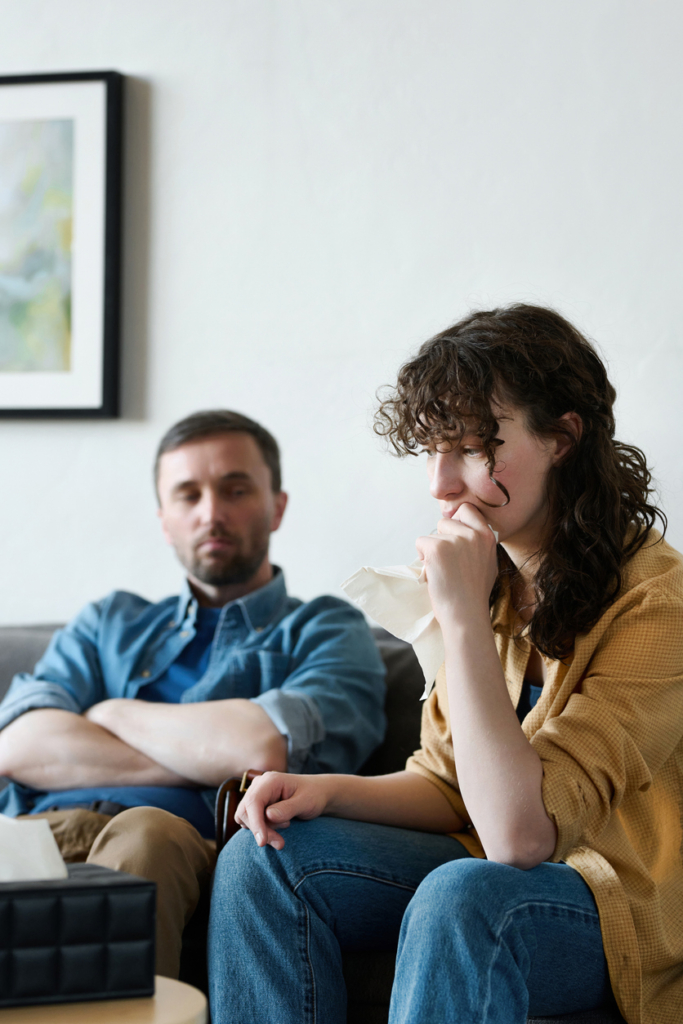
The situation gets more complex when it’s not a friend but family. We choose our friends, but family comes ready-made. Many of us struggle with difficult personalities who aren’t even blood relatives but are unavoidable: in-laws or “adopted” family members through our parents’ new marriages. Even if we’re lucky not to live under the same roof, they show up at major milestones, weddings, holidays, and birthdays.
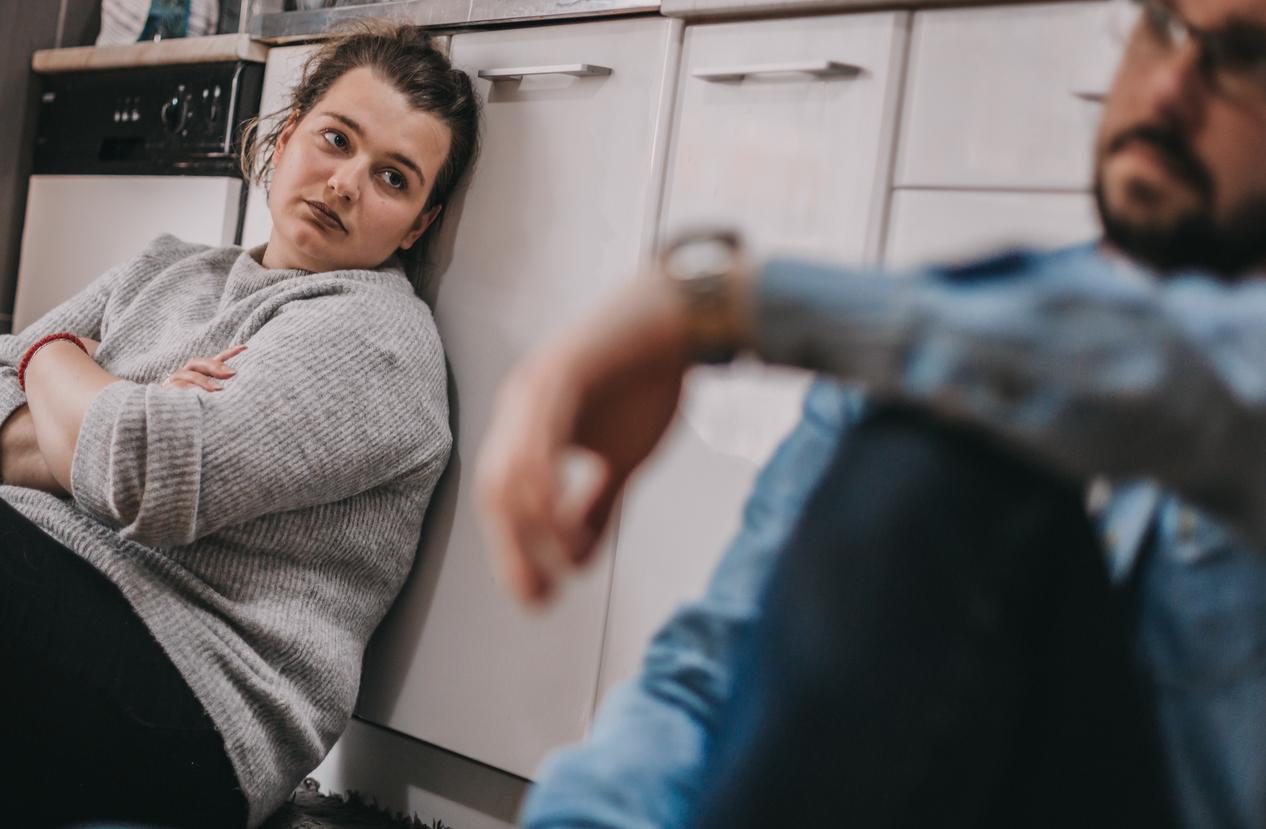
With their mere presence, a sharp comment, or passive-aggressive silence, they can ruin moments that should be pure joy. It’s even heavier when a relative’s lifestyle casts a shadow over the whole family network. Think of an alcoholic who refuses all help... This doesn’t just raise our stress levels—we helplessly watch as it damages those we love most.
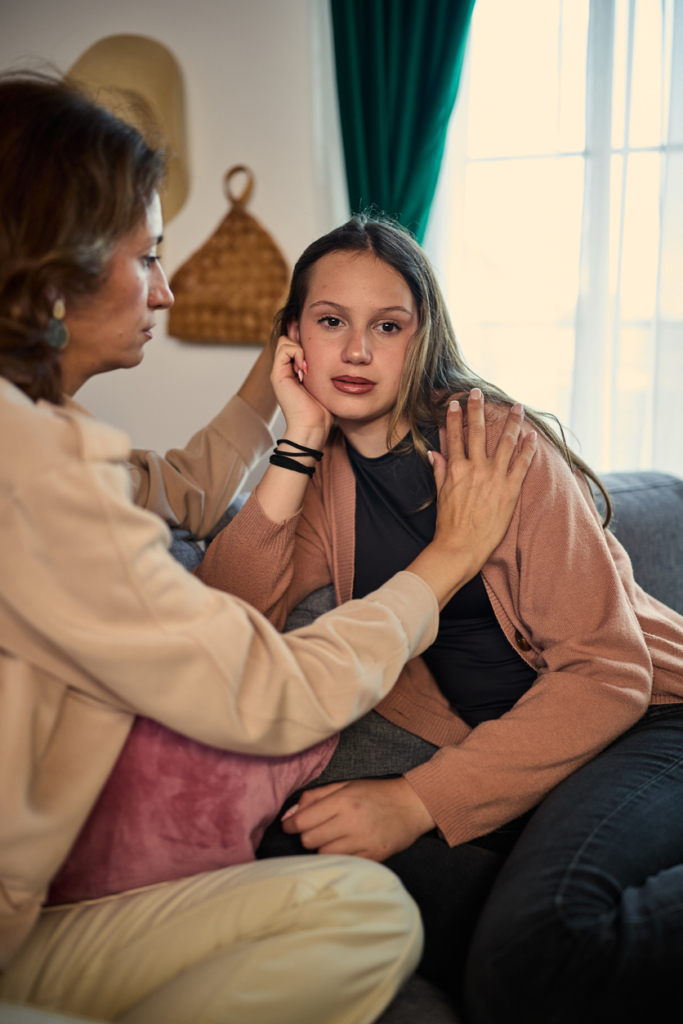
In these cases, keeping distance feels nearly impossible, and guilt often eats away at us: “Did I do enough?” “Is my peace of mind less important if they’re suffering?” This constant inner tension drains our zest for life and—as studies now confirm—takes years off our own lives.
Science shows chronic relationship stress doesn’t just cause wrinkles but also raises blood pressure, triggers inflammation, and increases anxiety. While we can’t always cut family, relatives, or neighbors out of our lives, we can change how we relate to them and how we respond. Though difficult relationships can feel dark and unavoidable, recognizing them is the first and most powerful step toward healing. By consciously reducing tension—whether ending a friendship or emotionally stepping back from family drama—we not only calm our minds but give our bodies a chance to heal.