First things first: I believe there are countless valid reasons for someone to decide not to have children—and that’s completely okay. In fact, I think it might be healthier to start from that assumption and encourage those who want kids to really explore their reasons why. After all, the motivation behind taking responsibility for another life matters a lot.
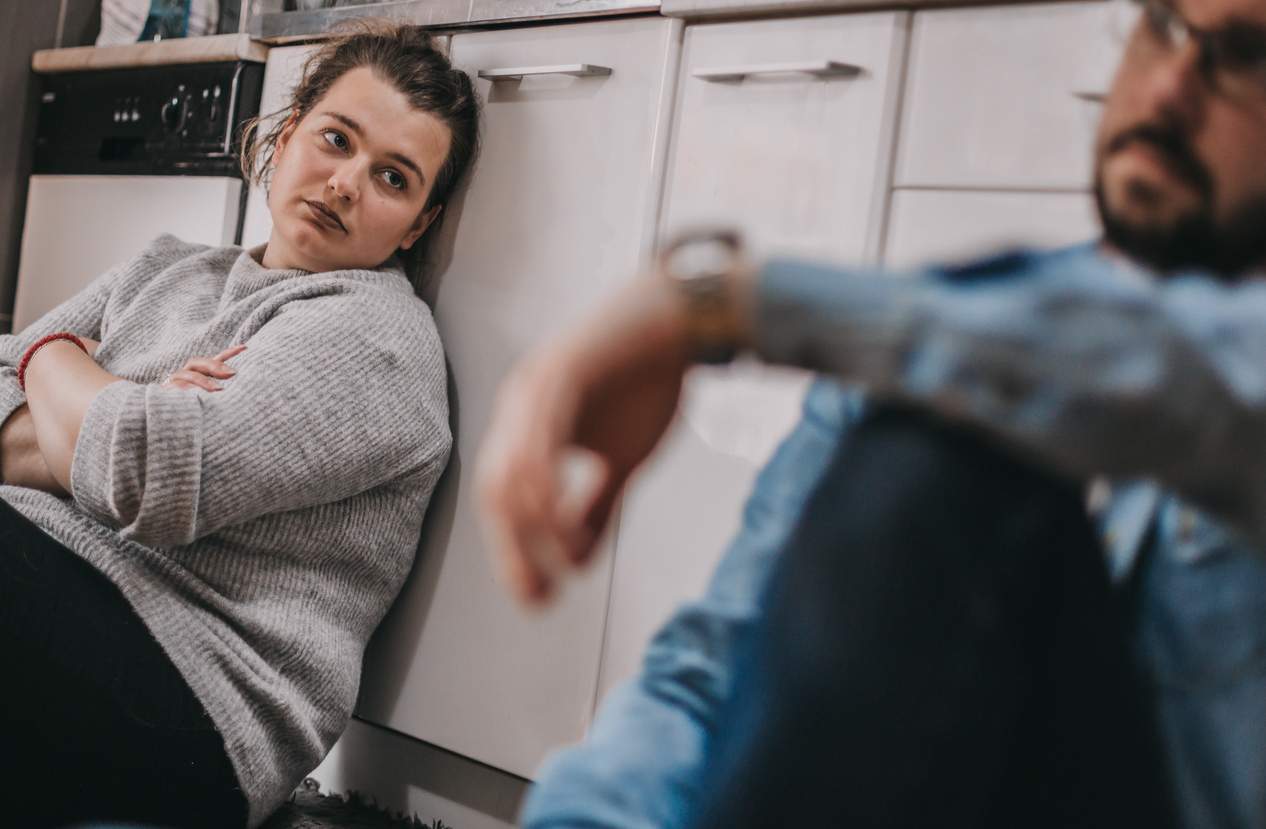
But lately, when the topic of having children comes up, more and more people ask: does it even make sense? Is it responsible to bring a child into the world we live in now?
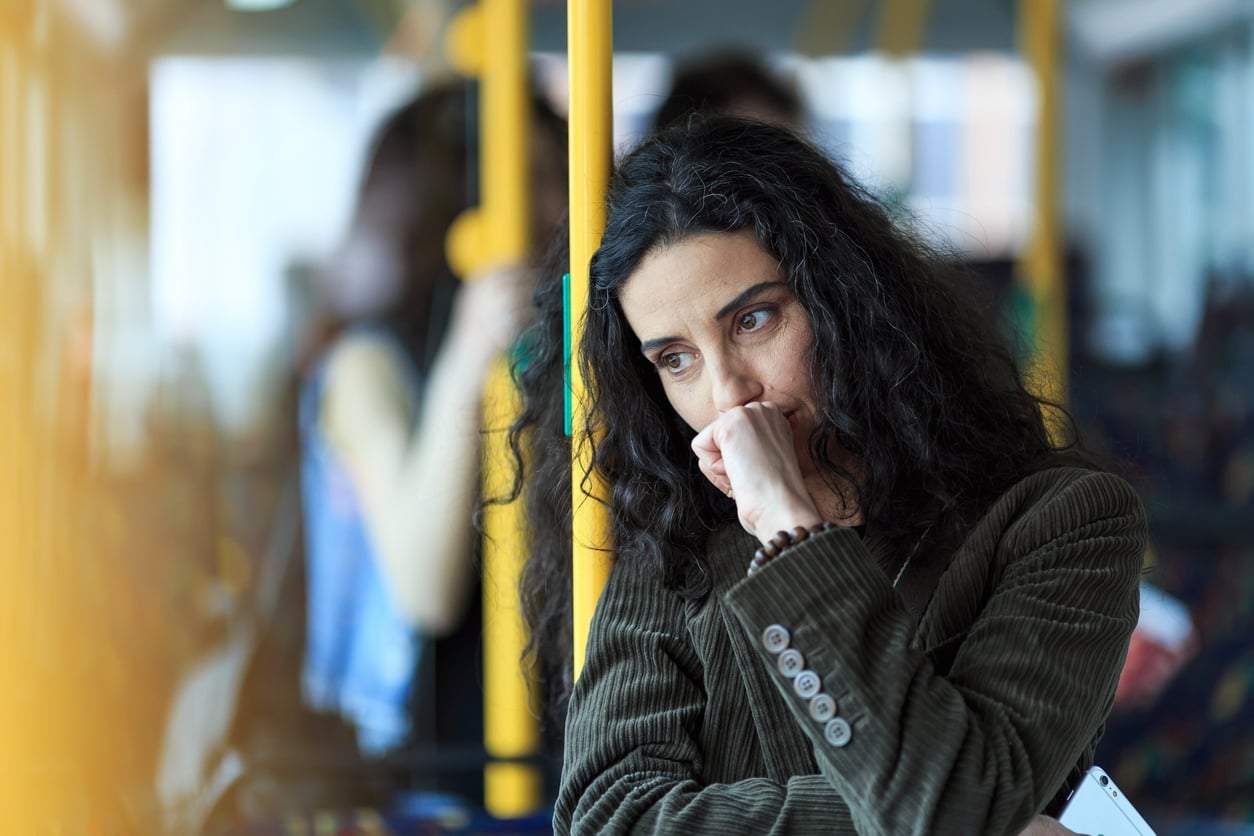
I get the question. Honestly, I’ve asked it myself—more than once. We live in a world where most headlines are about war, political chaos, and collapsing systems. Where phrases like “it doesn’t matter anymore,” “we’re too late,” or “we’re at the very last moment” are common—especially when it comes to climate change. Melting ice caps, droughts, record heatwaves, natural disasters.
Many say having kids in this world is at least irresponsible.
I understand those who think this way. I don’t dismiss their reasons, I’m not here to convince anyone, and I definitely won’t tell anyone what they should do. Having children is not an obligation, not a moral high ground, and not some kind of salvation. It’s perfectly valid to say: I don’t want to bring a child into this world.
But just because I understand the question doesn’t mean it’s my answer
When we talk about the kind of “world” a child is born into, we tend to act as if the world is something fixed and finished. Like we just receive it and passively endure what happens. But the world isn’t just “there”—it’s constantly changing. Because of us. With us. We are the ones who recreate it every day—or try to make it better.
This is where children come in.
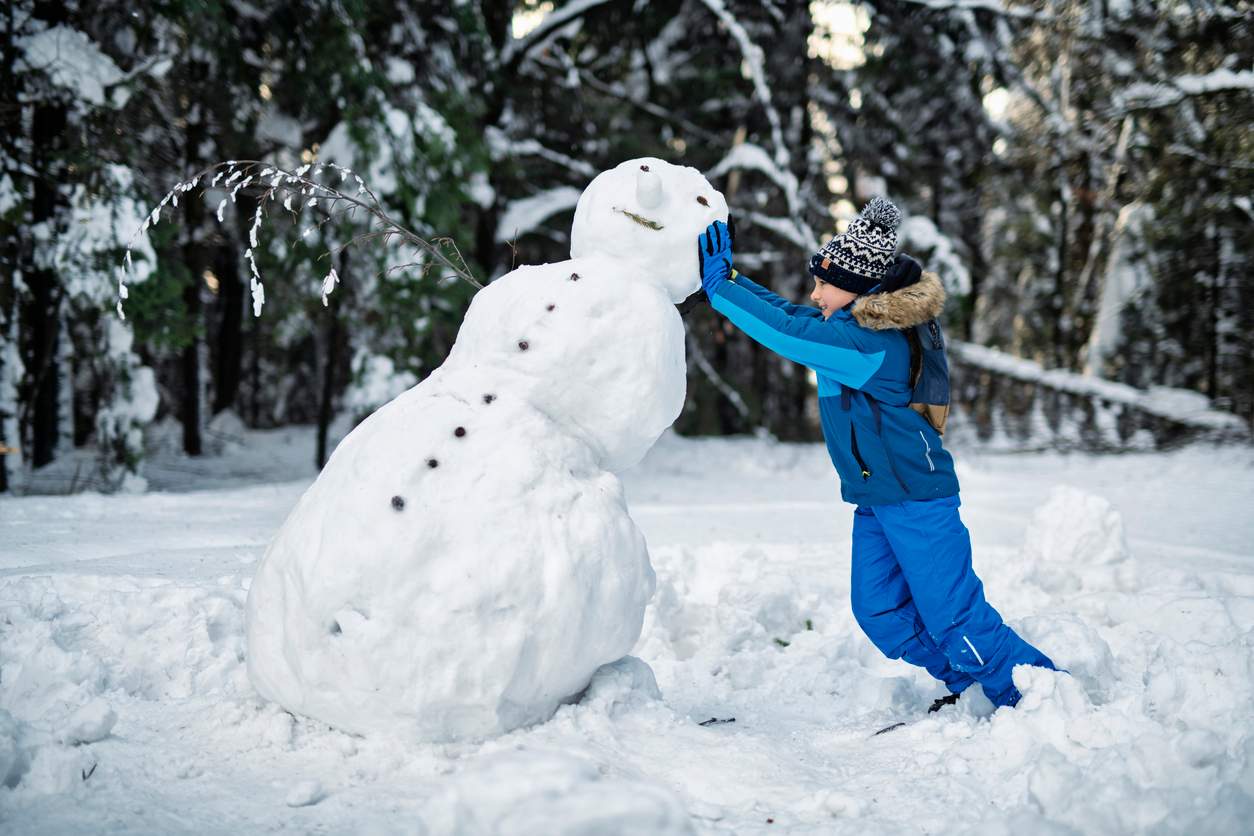
To me, they’re not part of the problem—they’re the only real chance for a solution. Hope through them isn’t some abstract idea; it’s very real: a new person who hasn’t become jaded, who hasn’t given up, who hasn’t learned that “nothing can be done anyway”. A child who asks questions. Who challenges what we’ve taken for granted. Because of them, we have to explain—and in doing so, explain our own actions.
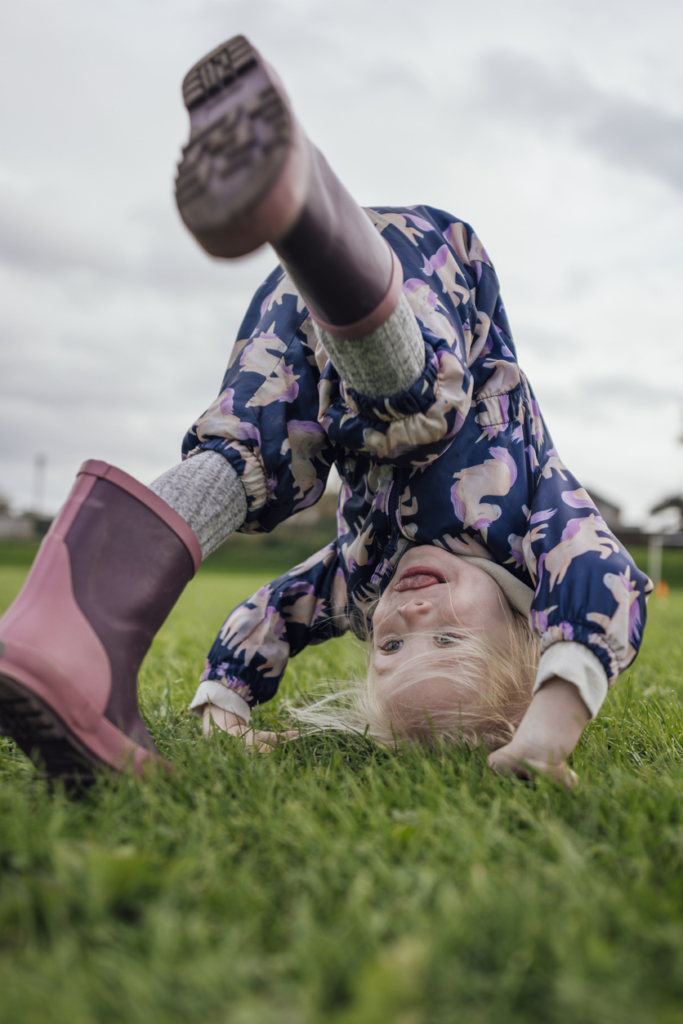
Kids won’t automatically be better people than us. But they have the chance. And maybe even more importantly: because of them, we have a reason to become better. When there’s someone you feel responsible for, suddenly it matters what kind of world you leave behind. Climate change, social injustice, political cynicism—they’re no longer just abstract issues. They have faces. They have a future.
Giving up on having children is really giving up on ourselves.
Giving up on the belief that things can still be different. That decline isn’t inevitable. That apathy isn’t the only rational response.
Antal Szerb’s novel Journey by Moonlight ends with the line: “And if a person lives, then something can still happen.”
That’s exactly how I feel about the next generation. As long as children are born, we haven’t given up. As long as there are those who come after us, something can still happen.