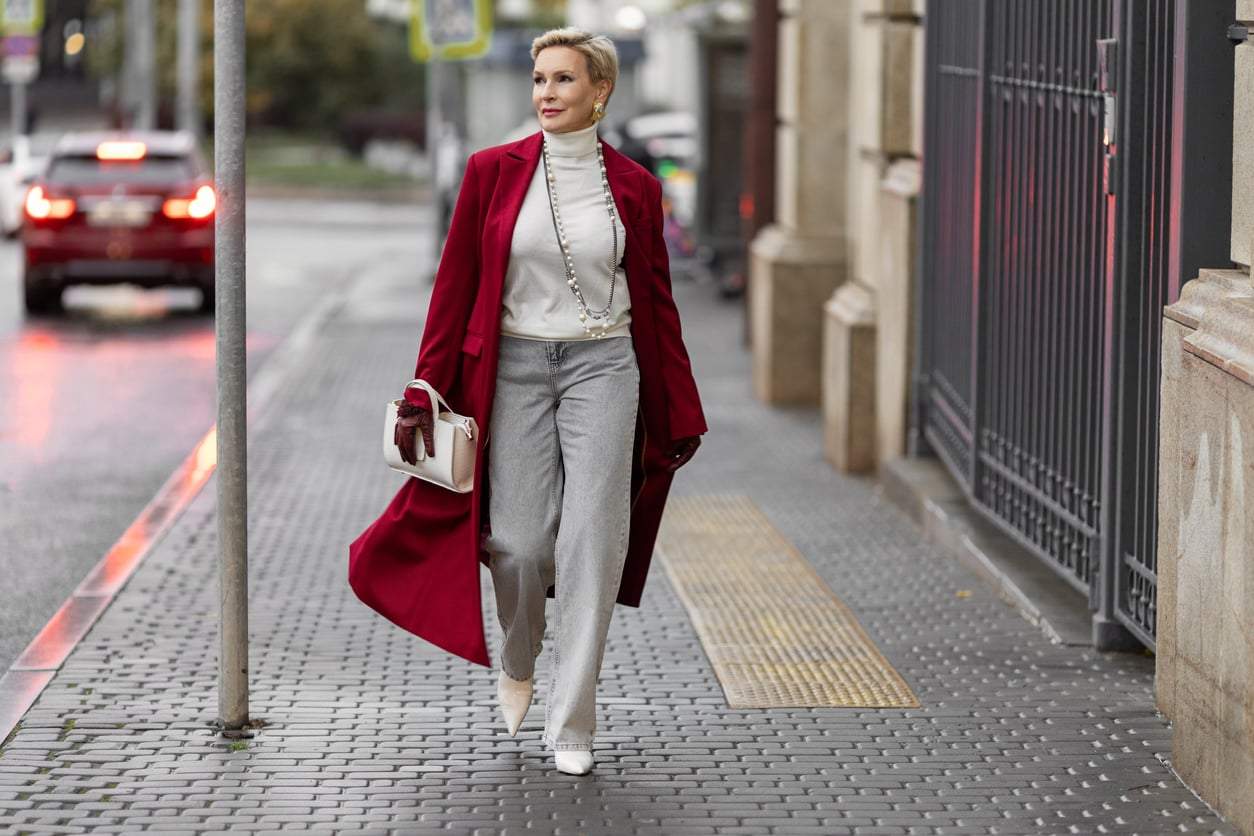
Your dress size isn't what decides whether an outfit flatters you. What really matters is the cut — how the lines of a garment fall, where they land, and how they play with your natural proportions.
Some silhouettes lengthen and streamline the body almost effortlessly. Others, even when they're trendy and beautiful, can quietly add visual width. Here's how to tell them apart.
The cuts that instantly slim
A-line dresses are timeless for a reason
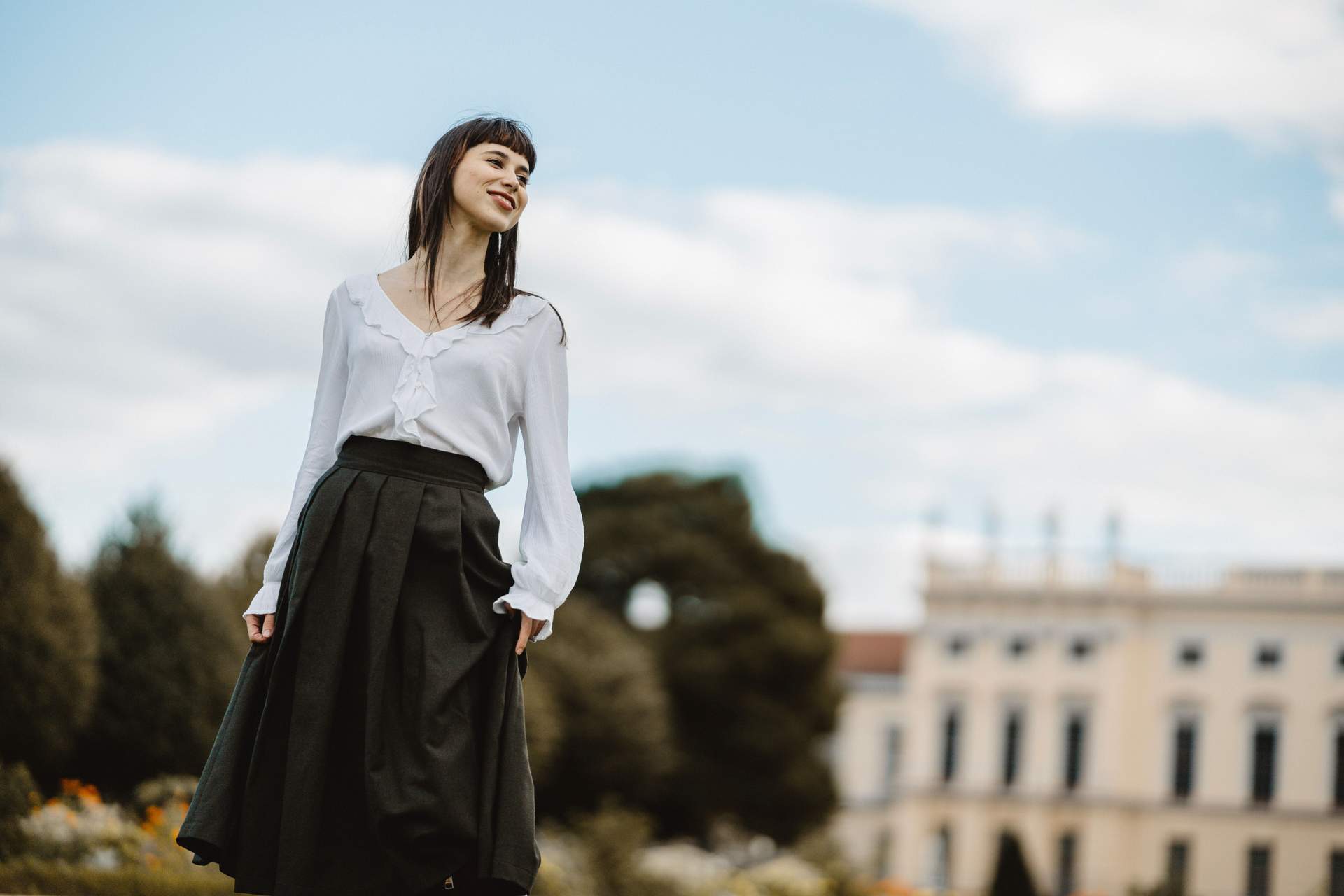
The A-line is one of the most universally flattering shapes out there, because it works on nearly every body type. It skims gently at the waist and then widens gradually toward the hem, creating balanced, easy proportions.
It's especially helpful if you want to visually slim the hips or thighs. A knee-length A-line dress or skirt looks elegant and feminine while softly drawing attention away from any areas you'd rather not emphasize.
Highlighting the waist works wonders
Dresses that cinch at the waist, wrap styles, and pieces worn with a belt can create a more defined silhouette in an instant. Since the waist is usually the narrowest point of the torso, emphasizing it creates an hourglass effect.
This trick doesn't just make you look slimmer — it also makes the whole look feel more feminine and balanced. And you'll see a real difference even if your natural shape is on the straighter side.
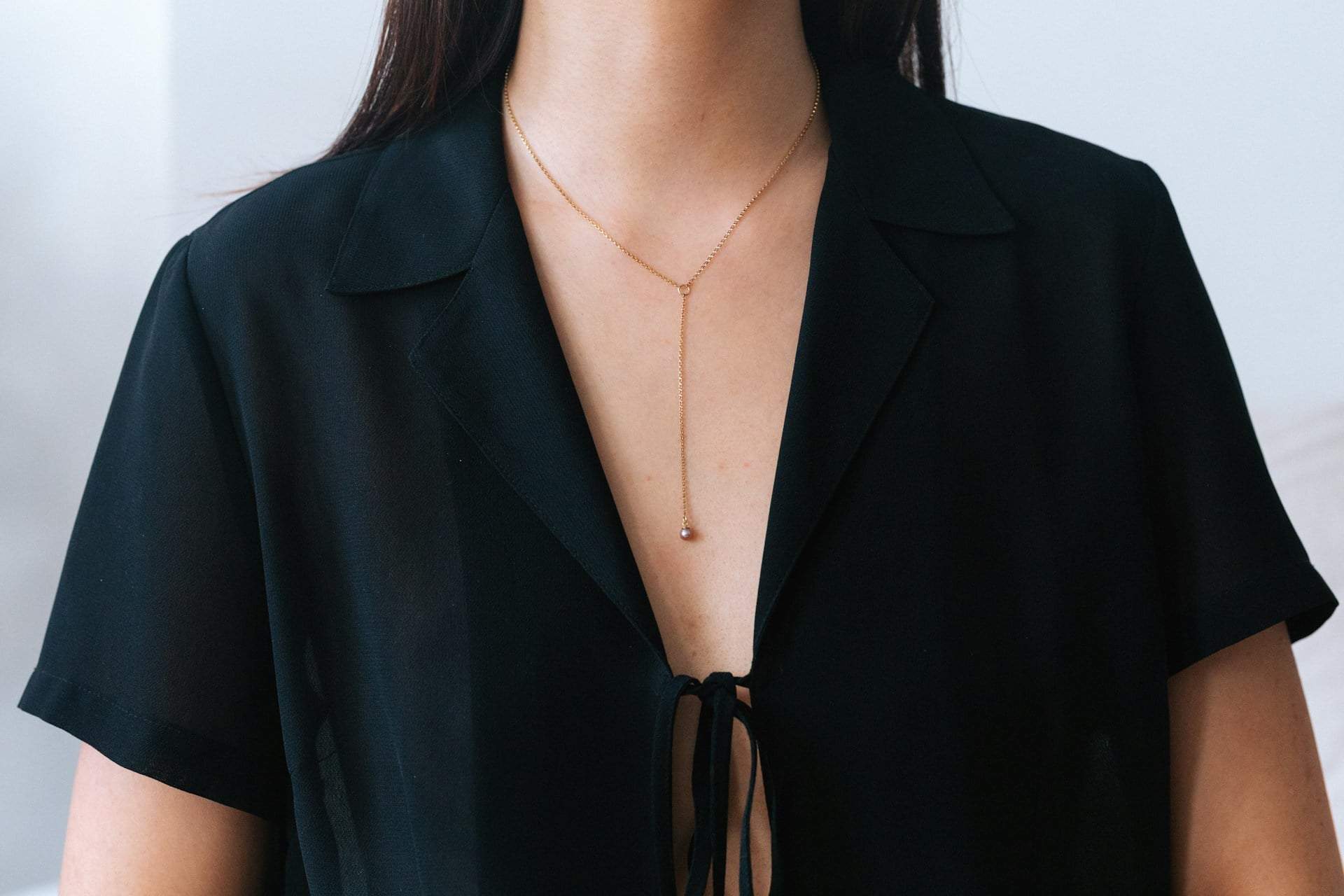
A V-neck lengthens the upper body
The V-neckline is one of the simplest optical tricks around: it makes the neck look longer and stretches the upper body. The vertical line draws the eye downward, so the whole figure appears lighter and leaner.
It's particularly flattering for a fuller bust, broader shoulders, or a shorter frame, because it restores a sense of balance to your proportions.
If you love playing with prints, you might also enjoy our take on the spring pieces worth adding to your wardrobe.
Vertical patterns stretch the silhouette
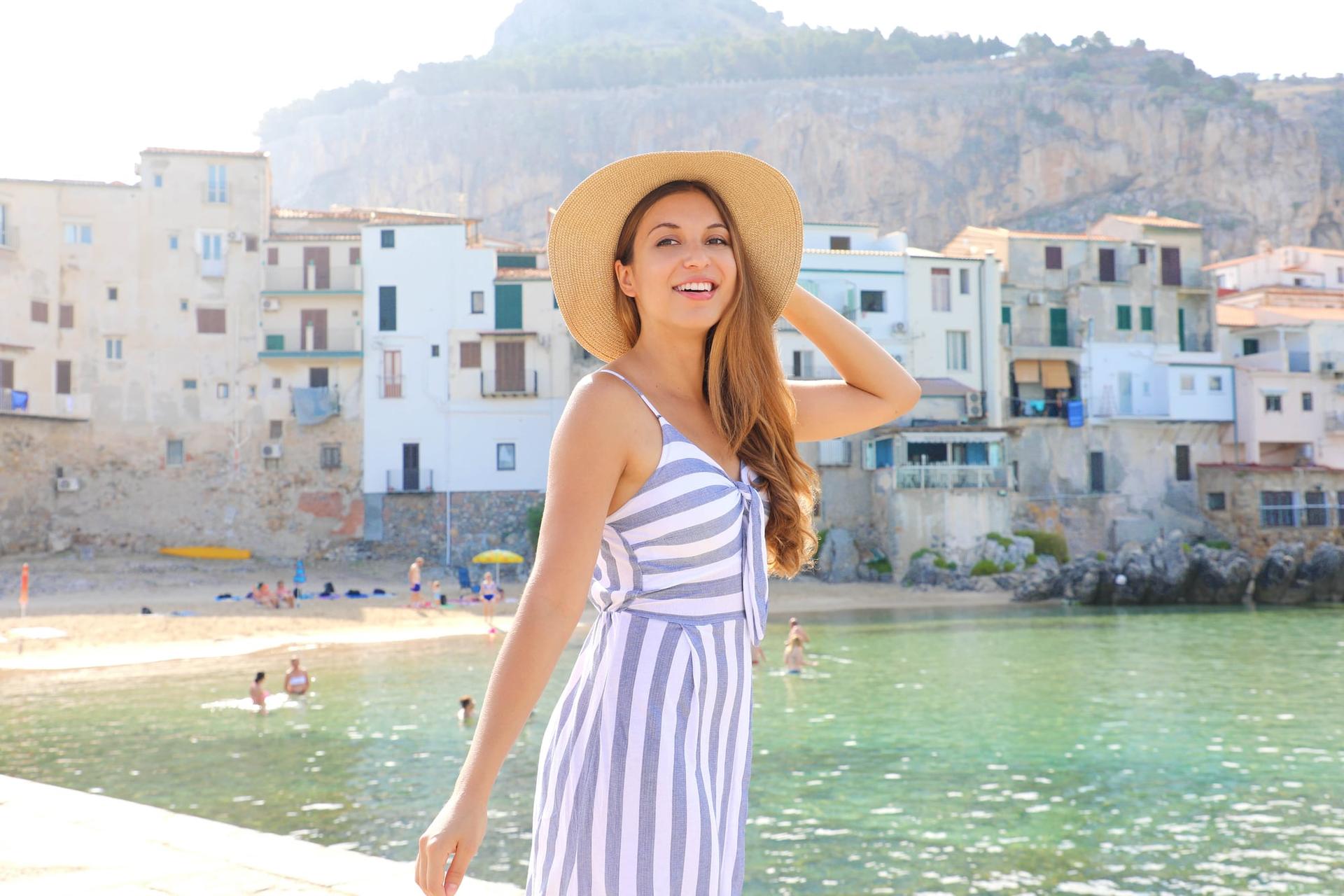
Lengthwise stripes and vertical seams are classic shape-defining elements. They help visually elongate the body, so the person wearing them can look taller and slimmer.
One caveat: go for finer stripes. Very wide or high-contrast patterns don't always create the same lengthening effect.
The cuts that quietly add width
Be careful with horizontal stripes
Horizontal stripes are undeniably stylish, but they can easily widen the figure. The eye naturally follows those horizontal lines, so the upper body or the hips can end up looking more prominent.
That doesn't mean you have to give them up entirely — but if a slimming effect is the goal, it's smarter to reach for a more subtle pattern or vertical details instead.
Very loose, boxy cuts aren't always flattering
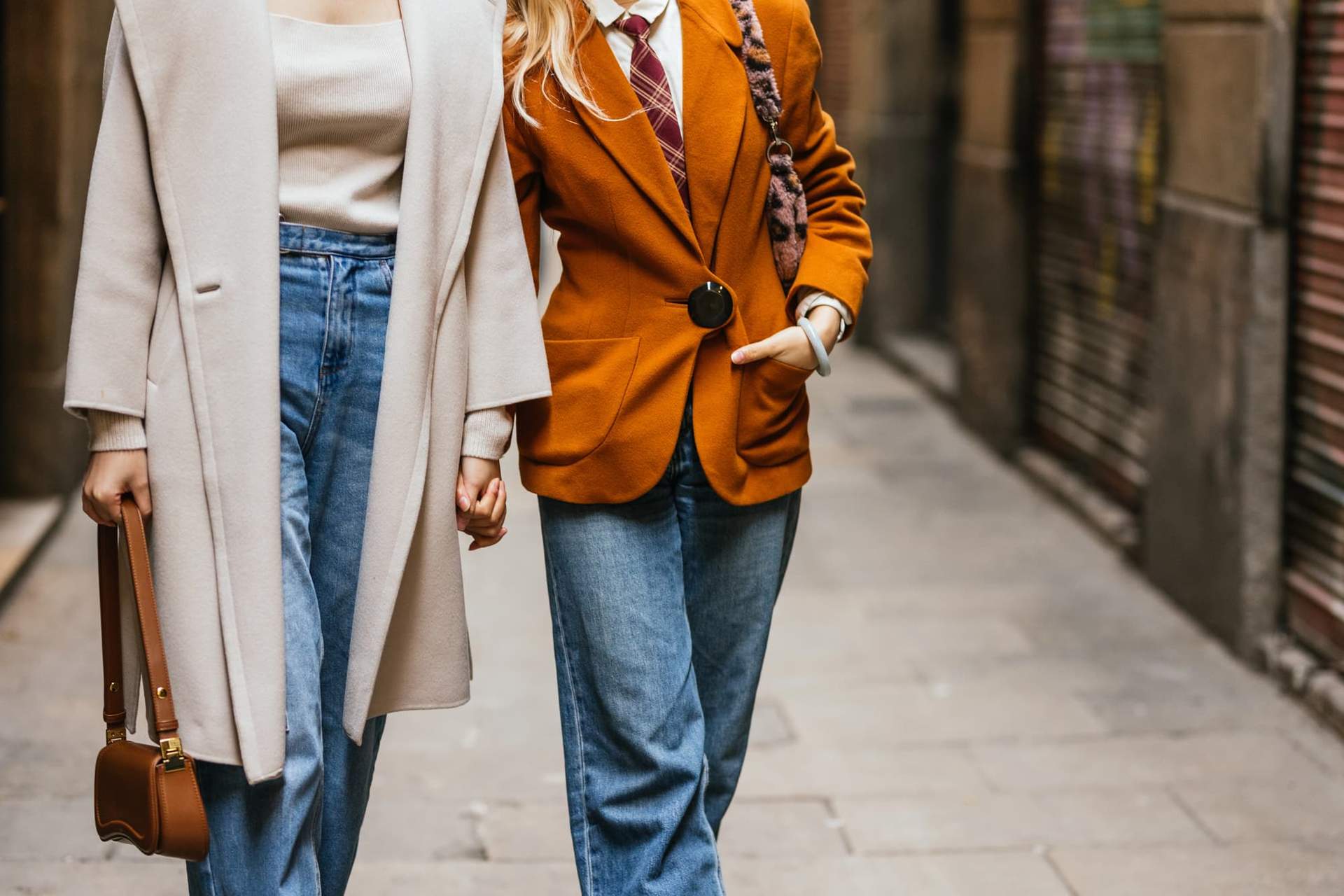
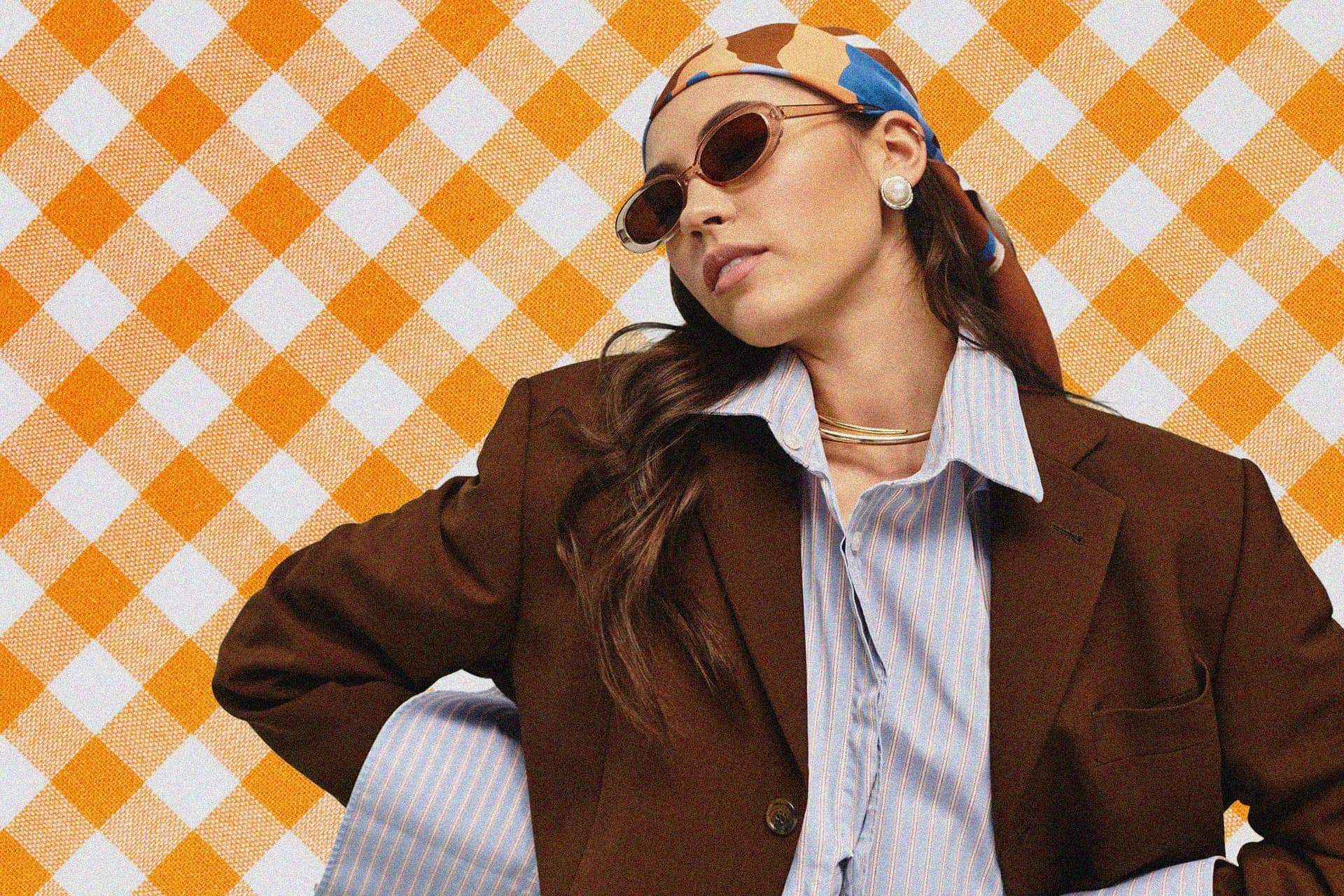
Many people assume that oversized clothes hide the figure, when in fact they often do the opposite. Boxy tops, dresses, and blazers can erase the waistline, making the body look more block-like.
If you love a relaxed fit, balance the loose silhouette with a belt, a waist-defining cut, or a more fitted lower half.
The length of your top matters too
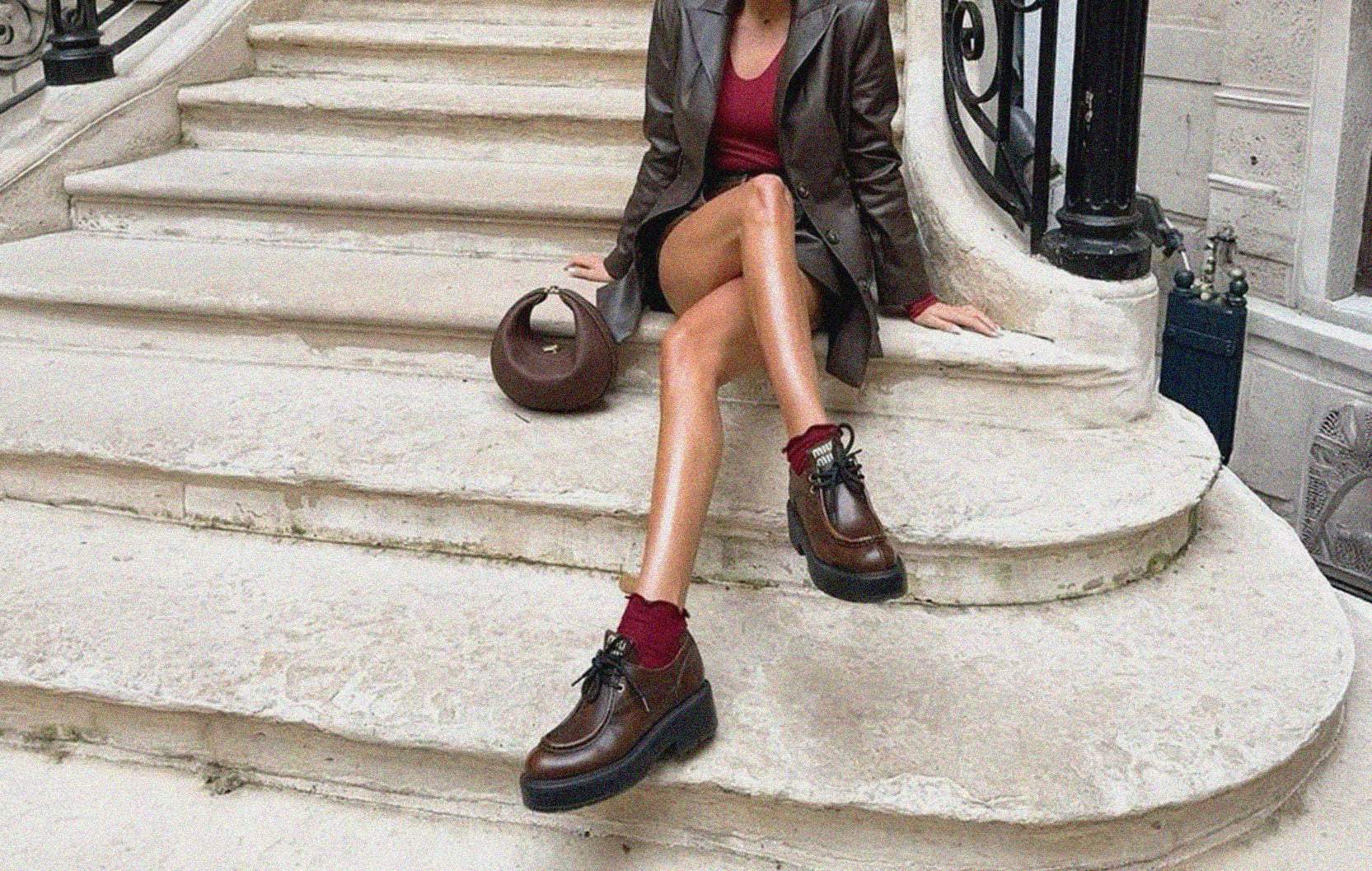
Tops that end at the widest point of your hips or bottom visually cut the body in two, which can make the lower body look heavier and the whole figure less elongated.
As a rule, tops that end above the waist — or longer ones that fall below the hip — tend to be more flattering. They create more harmonious proportions and lengthen the silhouette.
Still, the most important thing is not to follow the rules blindly. The right size, a good cut, and dressing in a way that feels like you matter far more than whether a piece ticks a particular fashion box. The truly right silhouette doesn't just make you look slimmer — it makes you feel more confident, too.
Which cut is the most universally flattering?
The A-line is the safest bet, since it skims the waist and widens gradually to balance out the hips and thighs on almost any body type.
Do vertical stripes really make you look taller?
Yes — lengthwise stripes and vertical seams draw the eye up and down, helping to elongate the body. Just choose finer stripes, as very wide or high-contrast ones can lose that effect.
Should I avoid oversized clothing completely?
Not at all. Loose, boxy pieces can blur the waistline, but you can wear them confidently by adding a belt, a waist-defining cut, or a more fitted lower half to keep the silhouette balanced.
Where should a flattering top end?
Tops that end above the waist or fall below the hip usually work best, because they avoid cutting the body at its widest point and create longer, more harmonious proportions.