Life is full of surprises, but one thing you can count on is aging. After all, aging is unavoidable, yet certain habits can transform this phase into a long and joyful experience—even reaching 100 years. So, how exactly? Keep reading to learn from leading experts how to extend your lifespan and vitality.
Daily Walks
If walking is part of your daily routine, you’ll be happy to know these steps can truly boost your lifespan.
“Daily walks significantly enhance longevity by benefiting both body and brain,” explains Dr. Sajad Zalzala, longevity expert and Medical Director at AgelessRx.
To start, walking improves insulin resistance, blood pressure, and cholesterol levels. These are key because they’re linked to chronic diseases that shorten lifespan, like type 2 diabetes, cancer, and heart disease.
Regular walking also promotes neurogenesis, the growth of new brain cells. This is “essential for memory and cognitive function and lowers risks of neurodegenerative diseases like Alzheimer’s and dementia,” adds Zalzala. Plus, physical activity protects telomeres—the protective caps on our DNA strands associated with aging and cell health. Over time, telomeres shorten and become inactive, leading to cell death. Walking slows this shortening, slowing cellular aging and supporting longevity.
How to Do It
Contrary to popular belief, you don’t need 10,000 steps daily to reap the benefits. Research shows just 500 steps a day can reduce heart disease risk by 7%, and every extra 1,000 steps lowers overall mortality risk by 15%. Need proof? On Japan’s Okinawa Island, walking is part of daily life and plays a big role in locals’ long lives — says Christal Burnette, plant expert at the Okinawa Research Center for Longevity Science. (Okinawa is one of the world’s “Blue Zones,” where people live exceptionally long.) Aim for at least 30 minutes of comfortable, moderate-paced walking 5–7 days a week to tap into these benefits.

Prioritize Sleep
When life gets busy and deadlines loom, it’s easy to push sleep aside. But this can disrupt your body’s ability to rest and repair, cutting your lifespan short.
“Lack of sleep ramps up inflammation, weakens the immune system, and speeds up cellular aging,” explains expert Dr. Darshan Shah.
It also throws off metabolism, leading to insulin resistance and metabolic issues. These effects raise the risk of chronic diseases that can shorten life. On the flip side, enough quality sleep lets tissues and cells repair and helps maintain telomere length, slowing cellular aging.
“Sleep also helps clear toxic waste from the nervous system linked to Alzheimer’s disease.”
How to Do It
Start with good sleep hygiene and simple lifestyle tweaks, like avoiding caffeine late afternoon and going to bed and waking up at the same time daily. Chamomile tea, melatonin, and L-theanine can also support better sleep. If you suspect serious sleep issues, consult a doctor to rule out underlying causes.

Build Community
Chat with a few centenarians and you’ll spot one thing right away: they all belong to a community. That’s no coincidence, since “being socially engaged can extend lifespan by reducing feelings of isolation and loneliness, which are risk factors for early death,” says Shah.
“Social connections lower stress, boost mental health, and strengthen belonging—all key to a longer, healthier life.”
How to Do It
If you struggle with social anxiety or live in a rural area, joining in can be tough. Start with local events or casual meetups that don’t require long-term commitment. Find groups that match your hobbies and interests. Online communities, like virtual book clubs, also offer ways to build connections from home.

Set a Life Purpose
Another secret to longevity? Finding your life purpose. “While community supports social health, life purpose runs deeper,” says Barardo. This can include career goals, personal missions, or passions beyond social ties. It’s so important that Japan has a word for it: ikigai.
“Ikigai gives people, like Okinawa residents, a reason to get up in the morning—whether it’s work, hobbies, caregiving, or personal passion,” says Burnette. “This purpose keeps the mind sharp, builds emotional resilience, and fosters a positive outlook—all linked to long life.”
How to Do It
If finding your purpose feels overwhelming, remember it doesn’t have to be permanent. It naturally evolves over time. Explore your interests, values, and strengths, and engage with your community. Notice what truly energizes you and focus your energy there.

Eat Anti-Inflammatory Foods
When it comes to foods that support longevity, you can’t go wrong with anti-inflammatory ingredients.
“Chronic, low-level inflammation drives many age-related diseases like heart disease, diabetes, and certain cancers,” says dietitian Kristen Lorenz.
Inflammation can also harm brain cells, leading to cognitive decline and Alzheimer’s. Anti-inflammatory foods are rich in antioxidants, omega-3 fatty acids, and polyphenols that neutralize free radicals. This protection supports longer, healthier lives and aids DNA repair, slowing aging.
How to Do It
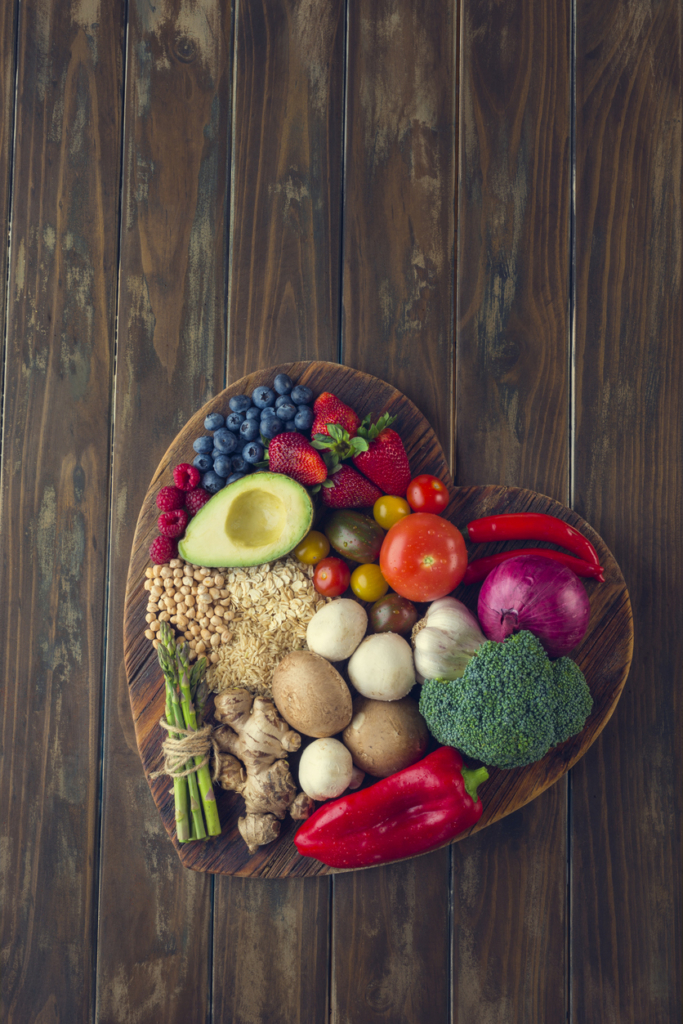
A balanced diet naturally includes anti-inflammatory foods: whole grains, nuts, fruits, and vegetables, while limiting processed meats and sugary treats. Cook at home as much as possible, use fresh, whole ingredients, and add plenty of veggies, fruits, and healthy fats to your meals.
Avoid or Limit Alcohol
While alcohol can help social bonding, it can negatively affect lifespan.
“Alcohol increases inflammation and oxidative stress, damaging cells and tissues throughout the body,” says Lorenz.
Over time, this can lead to liver disease, heart problems, and cancers, raising early death risk. Alcohol also harms nerve cells, increasing dementia and cognitive decline chances. It affects mental health too; excessive drinking is linked to depression, anxiety, and sleep issues. This makes emotional balance and mental clarity harder to maintain—both crucial for long-term well-being.
How to Do It
If you drink, do so mindfully and in moderation. Guidelines suggest up to two drinks a day for men, one for women. One drink is generally 12 oz beer, 5 oz wine, or 1.5 oz spirits. Even these amounts carry risks, but moderation lowers chances of alcohol-related diseases.