As parents, we often face the question of when the right moment comes to leave our child home alone. In Hungary, due to the lack of precise legal regulations on this matter, the decision is solely entrusted to the parents' insight and judgment. When making this decision, parents must consider their child's maturity and whether they can take care of themselves independently for a shorter or longer period. In this article, we highlight five important signs that help determine if your child has reached this point.
1. Behaves Responsibly
The first step is to observe how responsibly your child behaves in everyday life. If the child is willing to follow rules, for example, helps complete homework without supervision or tidies up toys without needing reminders, these are very good signs that they are starting to mature towards independence.
A sense of responsibility is also reflected in how well they can control their actions even when not under direct supervision.
2. Solves Most Problems Independently
The second sign is if the child can solve their own problems. For example, if they recognize situations where they need to make decisions alone and are capable of doing so, it says a lot about their potential independence. A good example is when they choose what to wear themselves, handle spilling on their clothes, or face unexpected situations like a broken toy. Independent problem-solving and the confidence to handle situations are important factors for successfully staying home alone.
3. Has a Good Sense of Time and Is Punctual
Another essential aspect is having a sense of time. If the child understands the importance of time, completes tasks on time, and strictly follows their schedule, they are very likely to responsibly manage being alone at home for a short period.
A sense of time is not only a sign of reliability but also indicates that the child may be able to organize their day independently and follow the rules and conditions set by the parents.
4. Communicates Well
The ability to clearly express thoughts and feelings is a key sign that the child is mature enough for independence. If they call you when needed or report what happened during your absence, it shows they can effectively process and convey information. Proper communication skills also indicate that they know how to ask for help in case of trouble, which is extremely important when staying home alone.
5. Safety Conscious
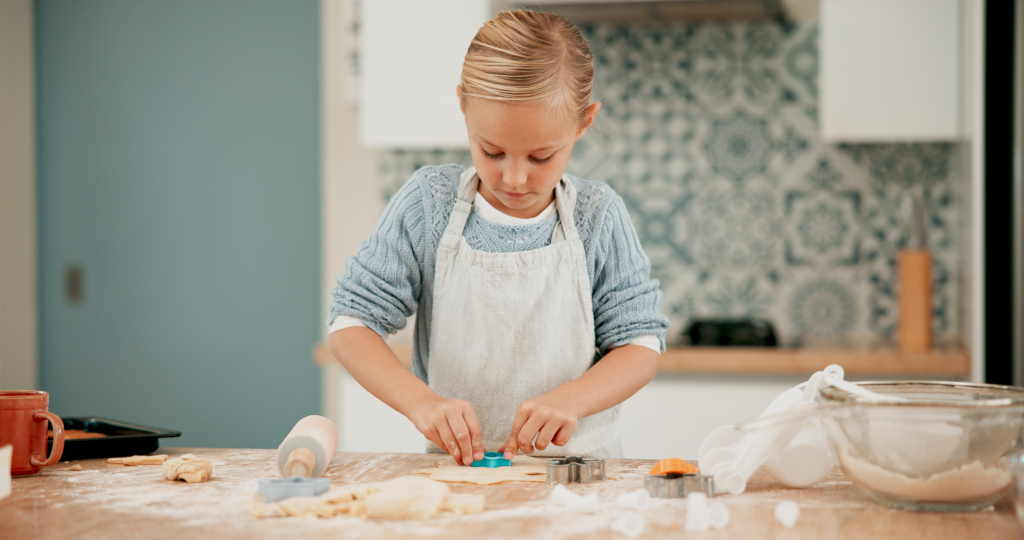
Last but not least, safety awareness is one of the most important aspects of a child's independent stay at home. If they are aware of basic household rules, such as not touching light switches with wet hands, not attempting to cook or bake alone, and knowing what to do in emergencies, they can respond preparedly to various situations.
Knowing safety regulations and expectations shows that the child pays attention to their environment and can protect themselves against potential dangers.