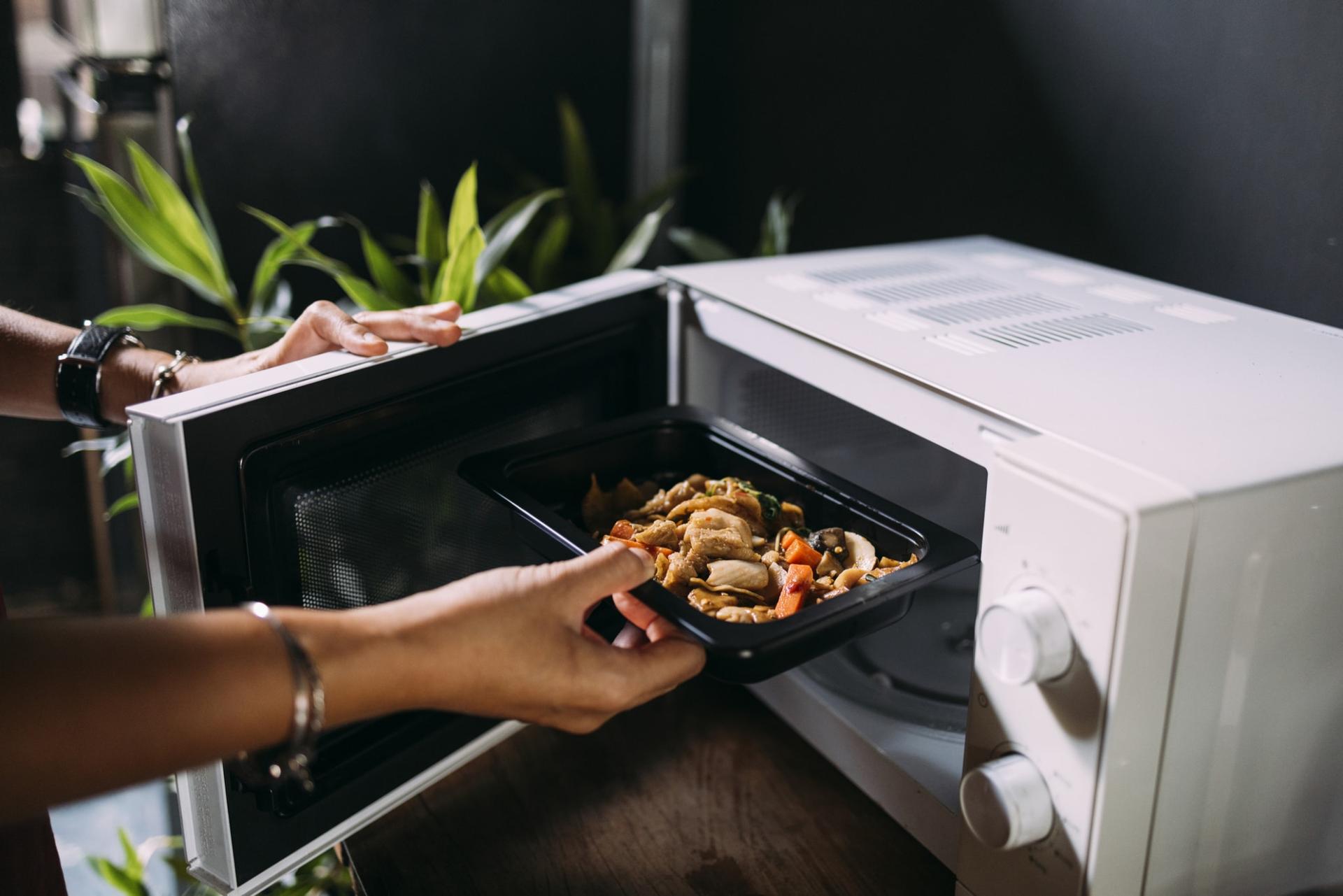
Microwaves are a kitchen staple that make daily meals so much easier. But not every food is microwave-friendly—some can change in ways that might affect your health. Let’s explore which foods are best to avoid reheating in the microwave.
Chicken
Chicken is a popular protein but can easily cause food poisoning if not reheated properly. Microwaves heat unevenly, leaving cold spots where bacteria like Salmonella can thrive. For safe and even heating, use an oven or stovetop instead—they distribute heat more reliably.
Cooked Rice
Cooked rice is a common leftover often zapped in the microwave. But it can contain Bacillus cereus spores that survive cooking. If left at room temperature, these spores can grow and produce toxins. Microwaves might not heat rice evenly or hot enough to destroy these toxins. Store rice in the fridge and reheat only small portions at a time for safety.
Sautéed Vegetables
Vegetables are nutrient-packed and healthy, but reheating cooked or sautéed nitrate-rich veggies like spinach, beetroot, or celery can form harmful compounds. These nitrates can turn into nitrites, which may pose health risks. It’s best to enjoy these veggies fresh or cold to avoid unwanted reactions.
Mushrooms
Mushrooms are delicate and need careful storage. Reheating cooked or sautéed mushrooms in the microwave can break down their proteins, causing digestive issues. If you want to reheat mushrooms, the stovetop is your friend—it ensures even heating and better results.
Eggs
Eggs are rich in protein and sulfur, making them sensitive to heat. Microwaving boiled or fried eggs can break down these compounds, altering taste and smell. Uneven heating can leave cold spots, which isn’t just unpleasant but could be risky. Freshly prepare eggs or enjoy them cold, like in salads, for the best experience.
These foods offer variety and flavor but can carry health risks when reheated improperly. Always store and reheat them carefully to keep your meals safe and delicious.