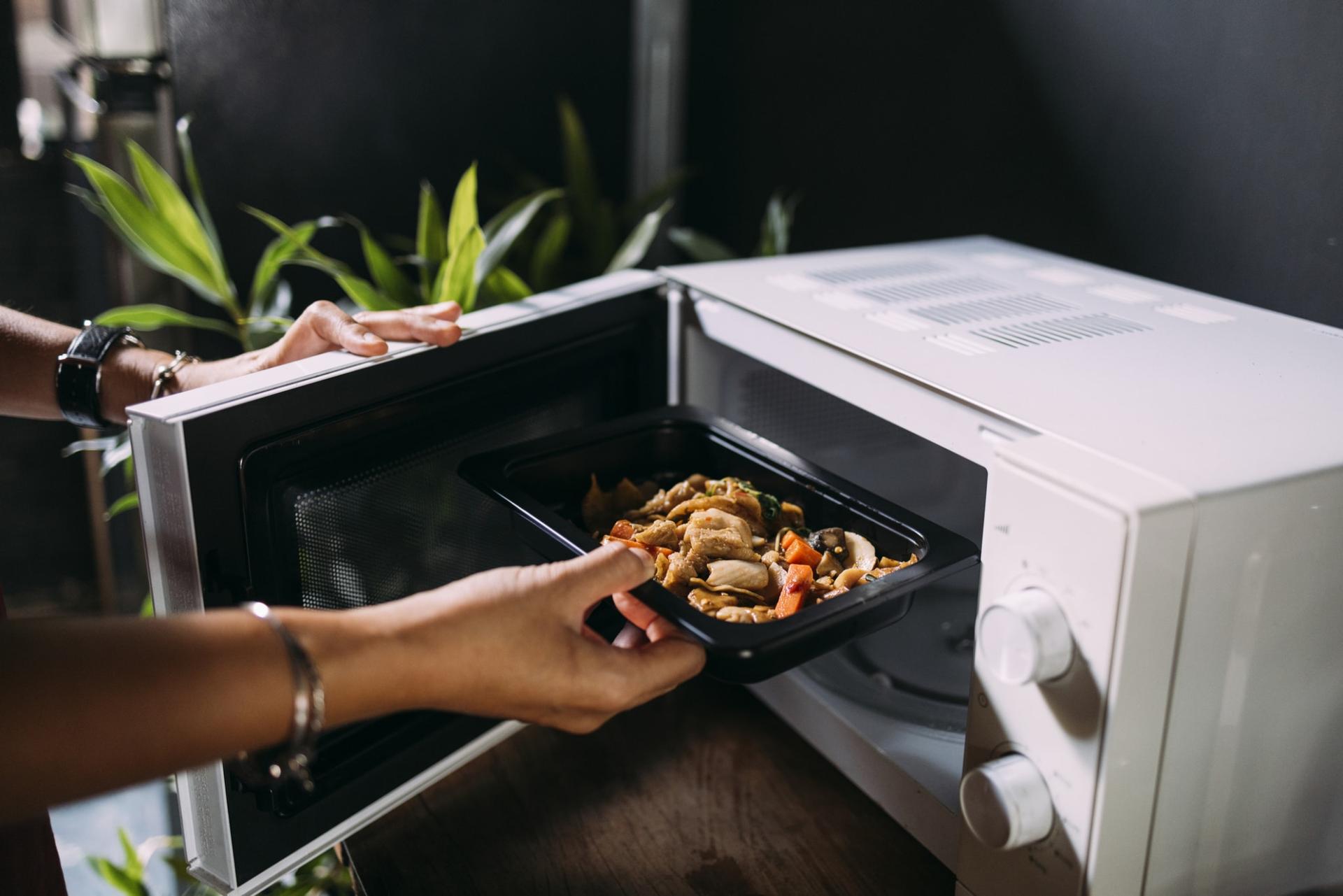
The microwave is one of the most convenient appliances in any kitchen — but not every food belongs in it. Some everyday leftovers can become genuinely risky when reheated this way, either triggering bacterial growth, producing harmful compounds, or simply turning into a digestive nightmare. Here are five foods worth thinking twice about before you hit that start button.
Chicken
Chicken is one of the most popular proteins around, but it's also one of the most common culprits behind food poisoning — especially when reheated incorrectly. The problem with microwaving chicken is uneven heat distribution. Cold spots can remain inside the meat, creating the perfect environment for bacteria like Salmonella to survive and multiply.
For safe reheating, use the oven or a stovetop pan instead. Both methods distribute heat far more evenly, reducing the risk of leaving any dangerous cold zones behind.
Cooked rice
Rice might seem harmless, but it hides a surprisingly serious risk. Cooked rice can harbour Bacillus cereus spores that survive the initial cooking process. If the rice is then left at room temperature, those spores can germinate and begin producing toxins — and microwaving it afterwards may not get hot enough to destroy them.
The safer approach: store leftover rice in the fridge as soon as it cools, and only reheat small portions at a time, making sure they reach a thoroughly hot temperature throughout.
Sautéed vegetables
Vegetables are nutritious and healthy — until you reheat certain ones in the microwave. Nitrate-rich vegetables like spinach, beetroot, and celery are the main concern here. When reheated, their nitrate content can convert into nitrites, compounds that are potentially carcinogenic.
The best strategy is simple: prepare these vegetables fresh, or enjoy them cold as part of a salad. Avoiding the reheat altogether removes the risk entirely.
Mushrooms
Mushrooms are delicate by nature, and they don't take well to being reheated — especially in a microwave. The proteins in cooked or sautéed mushrooms can begin to break down when reheated, which may lead to digestive discomfort. Uneven heating makes the problem worse, as some parts get blasted while others stay cool.
If you do need to reheat mushrooms, a pan on the stovetop is a much better option. It gives you more control and ensures everything heats through properly.
Eggs
Eggs are highly sensitive to heat — and microwaving cooked eggs can go wrong in more ways than one. The proteins and sulphur compounds in eggs begin to break down under microwave heat, affecting both the taste and the smell in unpleasant ways. Without even heat distribution, cold patches can also remain, which poses a real food safety concern.
The smartest move with eggs is to cook them fresh each time. If you have leftovers, consider using them cold — sliced into a salad, for example — rather than attempting to reheat them.
All five of these foods are everyday staples, but they carry hidden risks when microwaved as leftovers. A little extra care around how you store and reheat your meals goes a long way toward keeping your kitchen both convenient and safe.