A kitchen renovation is almost always one of the most costly projects you’ll tackle in your home. That’s why it’s worth thinking carefully about where you spend your money if you want a space that’s not just beautiful but also valuable.
When talking about the cost of a new kitchen, the real question is about return on investment. Almost everyone agrees on one thing: choose quality materials wherever you can. Skimping on countertops, appliances, or handles isn’t a smart move if you want lasting value. The goal is a kitchen that’s well-organized, practical for cooking, and inviting for shared moments. And don’t underestimate the power of smart storage solutions!
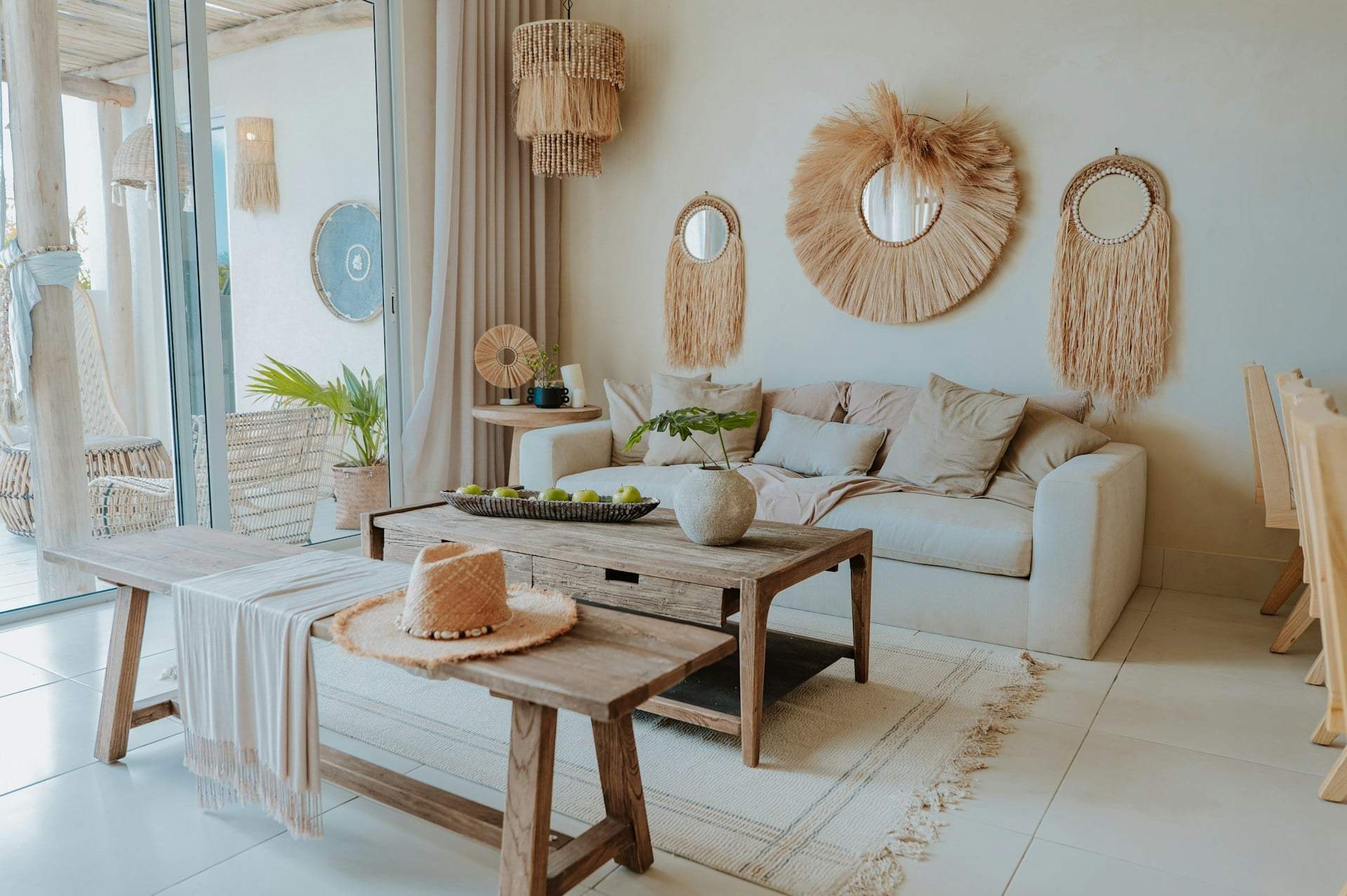
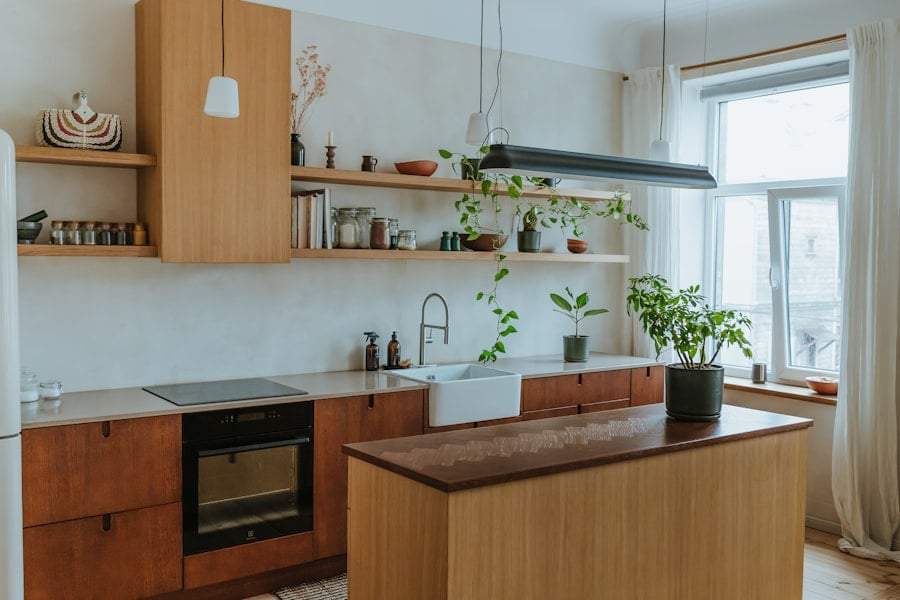
Design-wise, modern functionality and clever solutions take center stage, blending contemporary style with character and a touch of “inherited” charm. Alongside clean lines, personal items, vintage pieces, an antique lamp, or family heirlooms add warmth and story. This layering brings real depth to a minimalist base.
1. A Thoughtful Layout
A kitchen truly shines—whether for your own use or resale—when it’s easy to use, logical, and works as a social space. Poor layouts that create bottlenecks can seriously drag down value. If buyers feel they’ll have to remodel right away, it will show in the offer price.
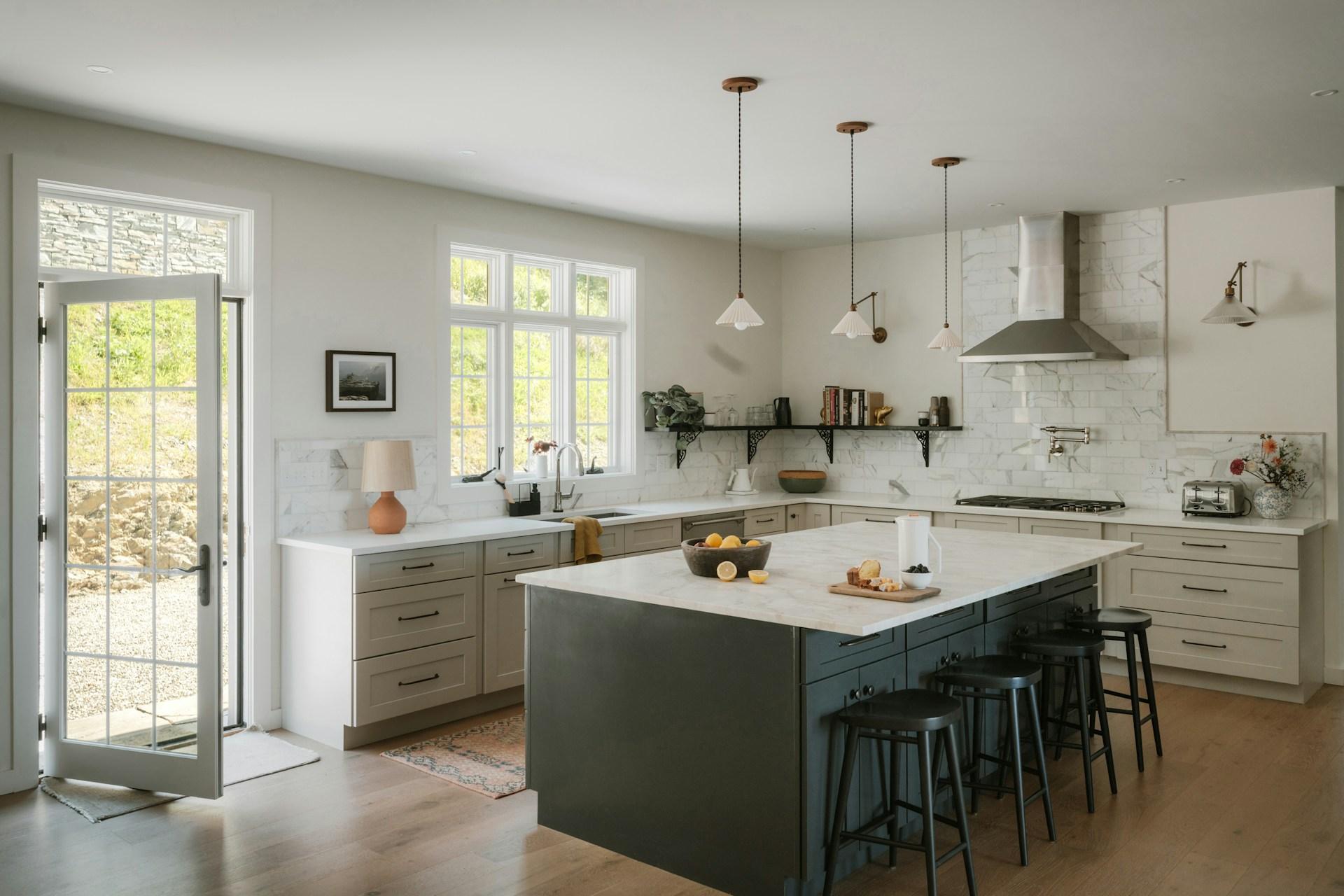
Open-plan kitchens with living areas are growing in popularity here, and that’s a plus when selling. The combined space feels brighter and bigger, letting you stay connected with family or guests while cooking. But smart storage is key—clutter stands out in open spaces.
Zone your kitchen: separate prep, cooking, and cleaning areas, while keeping social spots like an island or breakfast bar clear of work zones. Place the oven and cooktop away from busy paths to keep cooking safe and calm.
2. Smart Storage
Storage is one of the first things buyers check. Nothing’s more frustrating than a cluttered countertop because there aren’t enough cabinets.
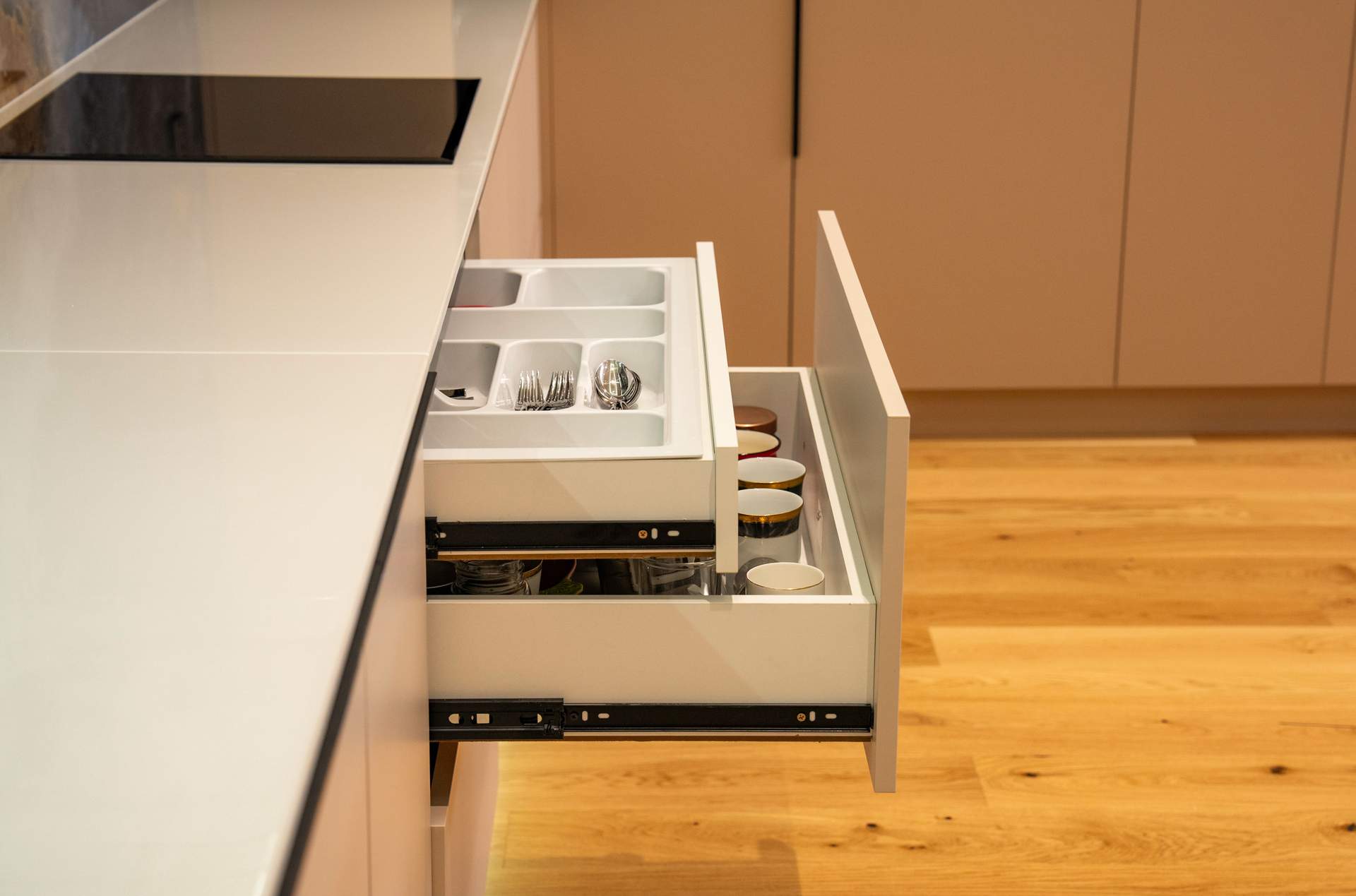
Custom organizers, deep drawers instead of lower cabinets, corner solutions, and built-in pantry cabinets all boost function and value. If possible, a separate pantry is a real bonus. Even small homes can get creative with narrow tall pantries, pull-out shelves, or ceiling-high storage.
Well-designed interiors—cutlery trays, spice racks, hidden organizers—are not just practical but create a tidy, thoughtful feel. Custom work can cost more upfront but pays off by maximizing space and lasting longer.
3. The Countertop as a Key Element
The countertop is the surface you see and use every day. A cheap, easily damaged laminate instantly lowers the vibe, while a quality material can lift the whole kitchen.
It’s worth spending a good chunk of your budget here. Natural materials like marble, granite, limestone, and solid wood age beautifully, gaining character over time. Quartz is a great alternative for those wanting durability and low maintenance. If your budget is tight, save on cabinet fronts rather than countertop quality. This has the biggest visual and practical impact.
4. Quality Appliances
Quality pays off with appliances. It’s not just about looks but energy efficiency and reliability. A striking stove or oven can be a real centerpiece, but the quality of built-in dishwashers, refrigerators, and range hoods also matters—even if they’re less visible. Cheap appliances often mean higher energy bills, more breakdowns, and extra stress over time.
Sustainability is increasingly important. Energy-efficient appliances benefit the environment and boost your home’s value.
5. Lifestyle Extras
Small details often create the strongest emotional impact. A beautifully designed cookbook shelf, an organized spice drawer, or a hidden appliance garage where the coffee maker and toaster disappear all say: this is a well-thought-out life.
Hidden drawers, pull-out shelves for heavy appliances, a built-in recycling bin, or a dedicated coffee and breakfast nook boost comfort. A small wine fridge can also make a surprisingly big impression—adding a touch of luxury without taking up much space.
Warm, layered lighting matters too. It’s practical but also sets the mood, helping you emotionally connect with the space.
What Can Lower Kitchen Value?
The most common mistake is a poorly planned layout. A clunky floor plan can be a major turnoff. Low-quality countertops and cheap-looking materials also drag down the overall feel. If you need to save, pick simpler cabinet fronts but keep quality on key elements like countertops and appliances.
Overall, the key to adding value with a kitchen renovation is quality and thoughtful choices. Luxury isn’t the goal; it’s about well-chosen, durable, carefully executed elements. A well-made kitchen with real materials feels timeless and balanced—and over time, it raises not just your property’s value but your everyday quality of life.