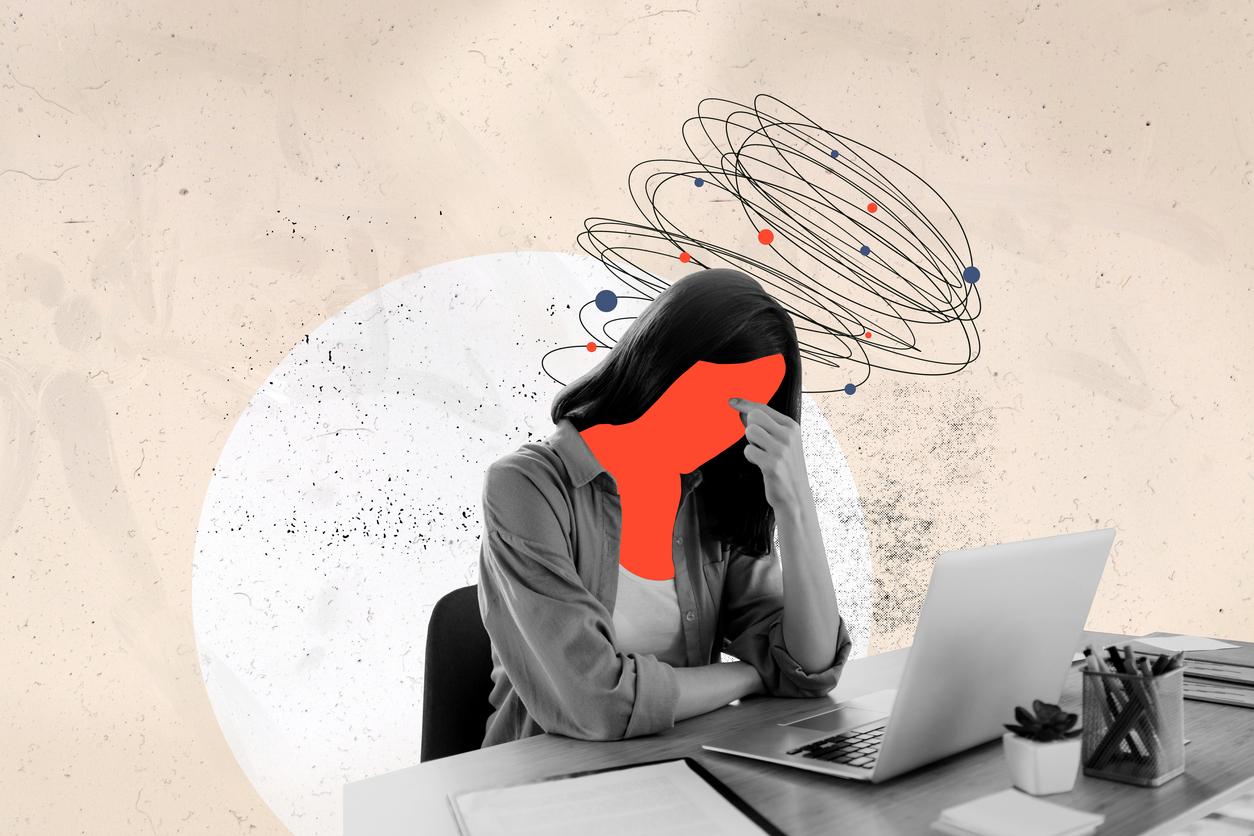
Stress is a common part of modern life, quietly creeping in and affecting both our body and mind. When stress piles up, it can lead to serious health issues that not only lower our quality of life but also pose real risks to our well-being.
Its damaging effects touch nearly every system in our body because constant stress keeps us in a state of alert, weakening our immune system and paving the way for chronic illnesses.
1. Heart and Circulatory Diseases
Stress can damage blood vessel walls, raising blood pressure and increasing the risk of heart attacks and strokes. When we’re constantly tense, our bodies release stress hormones like adrenaline and cortisol, which at high levels over time can cause serious harm.
To protect your heart, make regular exercise and balanced nutrition part of your daily routine—they’re powerful tools to manage stress and support cardiovascular health.
2. Digestive Issues
Stress closely affects how your digestive system works. Common problems include stomach ulcers, irritable bowel syndrome, and acid reflux—all of which can worsen with increased stress.
Keep your digestion happy by eating regularly and avoiding stressful situations right before and after meals. Relaxation techniques like yoga and meditation can also help maintain digestive health.
3. Sleep Disorders
Stress often leads to sleep troubles, from racing thoughts before bed to insomnia and frequent waking. Poor sleep then feeds back into stress, trapping you in a tough cycle.
Creating a calming bedtime routine that promotes both physical and mental relaxation is key. Try meditation or soothing music before sleep to help break the cycle and improve rest.
4. Mental Health Challenges
Long-term stress can take a serious toll on mental health, especially if you don’t have effective ways to cope. It can lead to depression, anxiety, and other mental health struggles.
Don’t hesitate to seek professional support and learn techniques to handle stressful situations better. Practicing mindfulness and nurturing supportive relationships are also vital for maintaining emotional balance.
5. Skin Problems
You might notice your skin acting up during stressful times. Breakouts, eczema, and psoriasis can flare up due to the effects of stress hormones on your skin.
Healthy habits, a good skincare routine, and regular relaxation or stress management practices can help keep your skin calm and clear.
How to Avoid the Harmful Effects of Stress
Stress is a natural part of life, but learning to manage it well is key to protecting your health. Regular stress management techniques, staying active, eating balanced meals, and strengthening social connections all contribute to a healthier, more balanced life.