Muscle Cramps and Tension
The first and most common sign is unexpected muscle tension and cramps. Stress triggers your body’s defense system, which can cause muscles to tighten up.
Research shows chronic stress can contribute to lasting muscle pain, especially around the neck and shoulders.
If you often notice these symptoms, it’s worth checking if anxiety might be behind them.
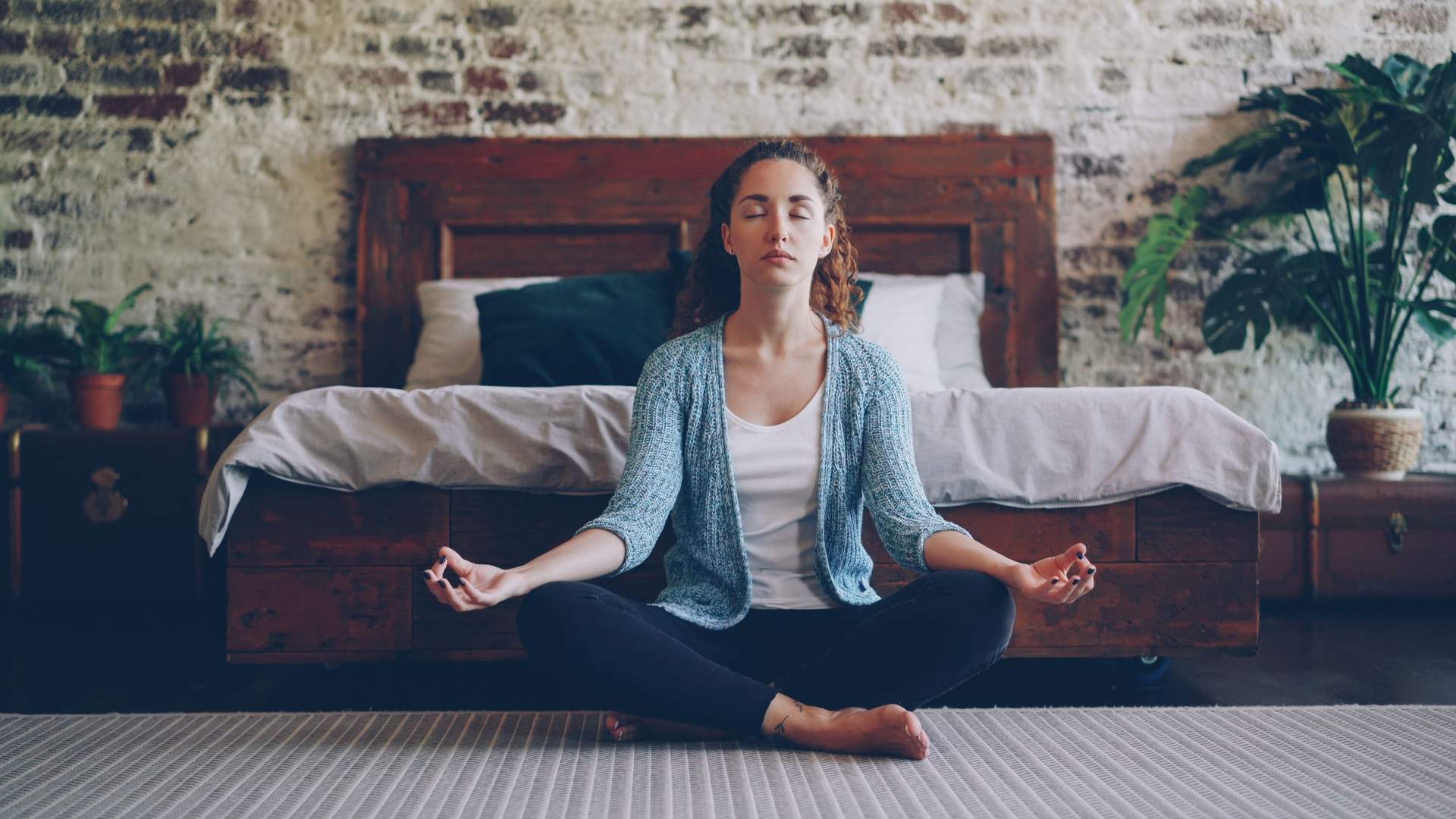
To ease these symptoms, regular exercise and relaxation techniques like yoga or meditation can be game changers.
Sleep Troubles
Another often overlooked physical sign of anxiety is sleep problems. Studies show high stress levels impact both the quality and quantity of sleep. If you struggle to fall asleep or wake up multiple times at night, anxiety could be at play. Lack of sleep can then worsen anxiety, creating a tough cycle.
Try building a calming bedtime routine—think warm baths or soothing tea before bed.
Rapid Heartbeat
Have you ever felt your heart race suddenly without feeling excited or scared? That’s another key sign. Fear and stress trigger physical reactions, raising adrenaline and speeding up your heartbeat. If this happens often, your body might be handling too much stress and anxiety.
It’s important to seek medical advice if these symptoms persist to rule out other health issues.
Frequent Stomach Issues
Stomach troubles can also hint at hidden anxiety. Because the brain and gut are connected, stress directly affects your digestive system. Common symptoms include diarrhea, constipation, and nausea.

Johns Hopkins University research links chronic stress to irritable bowel syndrome and other digestive issues.
Eating a balanced diet and adding stress management techniques to your routine can help reduce these symptoms.
Skin Problems
Anxiety often shows up on your skin too. Acne, eczema, and other skin issues can flare up due to stress. Studies reveal psychological stress can disrupt your skin’s natural defenses, making problems worse.
Taking good care of your skin and maintaining emotional balance are key to easing these symptoms. Make sure to carve out quality time for rest and stress relief.
What’s Next? Start Paying Attention!
If you recognize some of these signs, it’s a great time to rethink your stress-busting strategies.
Effective stress management tools like mindfulness, meditation, or simply a refreshing walk outdoors can greatly improve your quality of life.
Remember, your body is always communicating with you—you just need to learn to listen. If anxiety feels overwhelming, don’t hesitate to reach out to a professional for guidance. Healthy living and mindful stress management are your best allies for a balanced life.