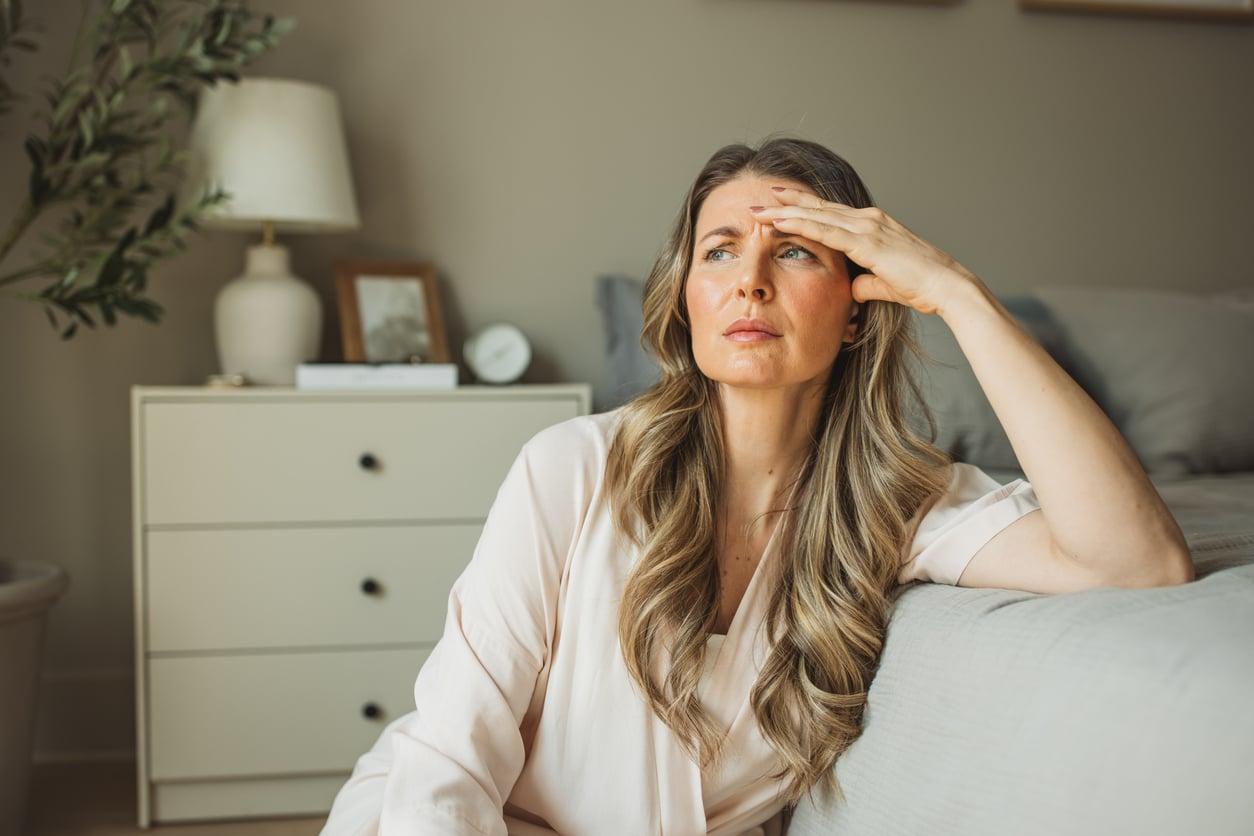
As the weather turns cooler and grayer, many of us feel the so-called autumn fatigue—a temporary dip in energy. But sometimes, this feeling points to a deeper issue: your body’s need for vitamins and minerals. Learn how to spot the difference and reclaim your energy.
Persistent Fatigue and Exhaustion
Many of us feel like something inside us dims with the shorter autumn days. But if fatigue becomes your constant companion, vitamin deficiency might be the cause. B vitamins, especially B12, play a key role in keeping your energy levels up. This kind of tiredness won’t simply vanish after a restful weekend or a good night’s sleep.
Along with feeling drained, you might notice trouble concentrating and a drop in your performance. That’s why it’s so important to make sure your body gets all the vitamins it needs.
Weakened Immune System
If you’re catching every little cold or feeling under the weather often, your immune system might need a boost. Vitamins C and D are essential for keeping your immune defenses strong. If autumn brings frequent colds your way, consider adding these vitamins to your routine.
Less sunlight during the fall and winter months makes it harder for your body to produce vitamin D naturally, which can lead to a deficiency. That’s why it’s smart to regularly enjoy vitamin D-rich foods or supplements.
Skin Issues
If your skin feels drier, duller, or more prone to breakouts than before, vitamin deficiency might be at play. Vitamins A and biotin are crucial for healthy skin. Without them, your skin can lose its elasticity or develop more serious problems.
When dealing with skin issues, try adjusting your diet to include more antioxidants—they help fight free radicals and improve your skin’s appearance.
Hair Loss and Brittle Nails
Hair loss and brittle nails can also signal a nutrient gap. Your hair’s growth cycle depends heavily on your body’s nutrient supply. Deficiencies in iron, zinc, selenium, and biotin (vitamin B7) can cause significant hair problems.
Keep an eye on your nails too—they reflect your internal health. Make sure your diet includes enough minerals to support strong hair and nails.
Low Mood and Mood Swings
Vitamin deficiency can affect your mental health as well. Feeling down, pessimistic, or irritable might be linked to not getting enough B vitamins, especially B6, which plays a key role in brain chemistry.
To lift your mood, try adding more whole grains, legumes, and nuts to your meals—these foods are natural sources of these essential vitamins.
While autumn fatigue can make daily life tougher, remember that some signs might point to a more serious vitamin deficiency. If you notice several of these symptoms lasting for a while, it’s a good idea to consult a healthcare professional to identify the exact deficiency and get the right treatment. Often, simply balancing your diet can bring significant improvement.