What if going green at home didn't cost a fortune — but actually saved you money? These five practical, easy-to-implement changes can make your household more sustainable without turning your life upside down. Small shifts, real results.
1. Solar panels: a bigger payoff than you might think
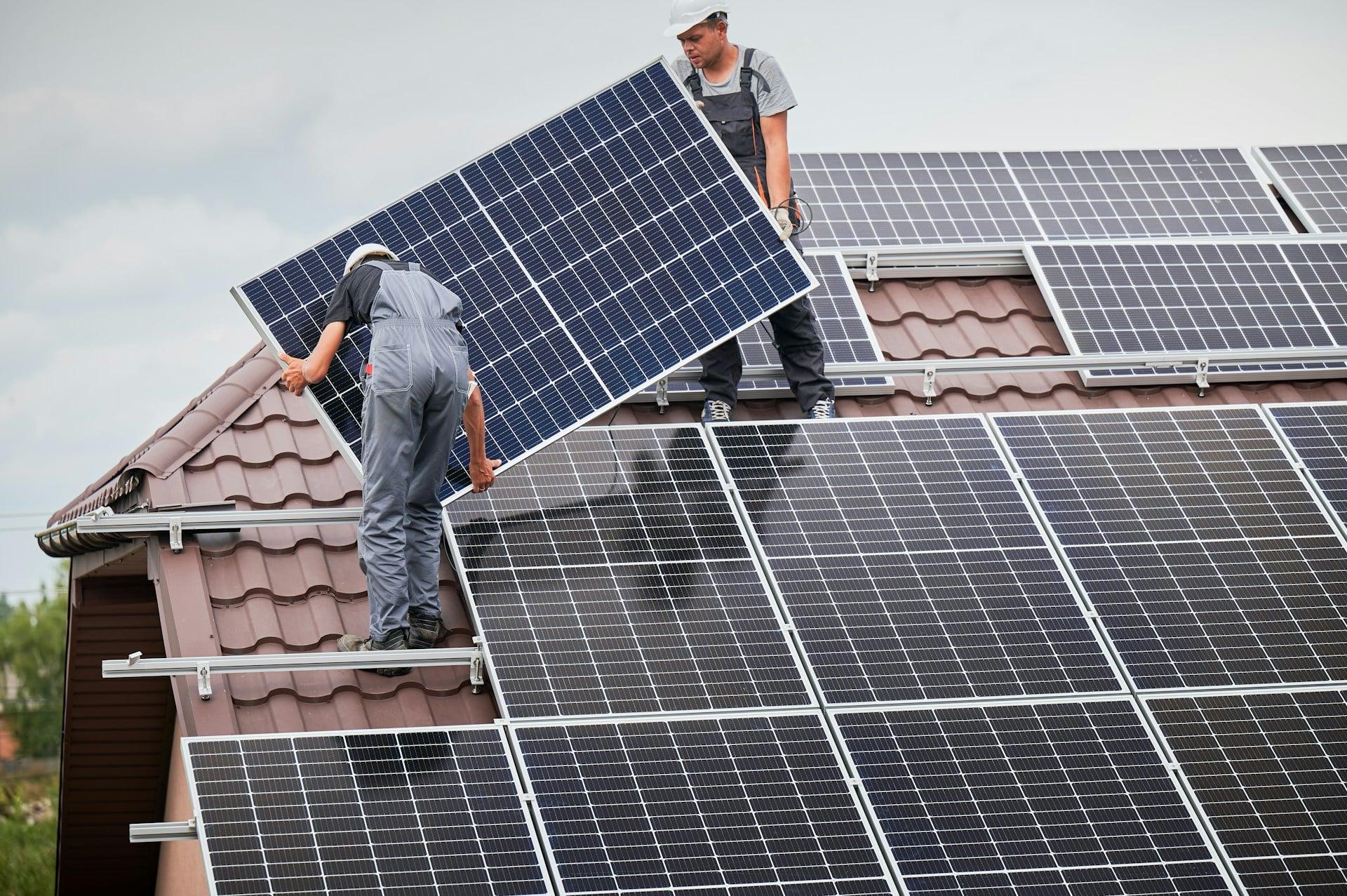
Installing a solar energy system is one of the most impactful steps you can take toward a sustainable home. Yes, the upfront investment can be significant — but the long-term savings on electricity bills are equally real. And beyond the financial side, you're reducing your dependence on fossil fuels with every kilowatt generated.
More and more homeowners are making the switch to solar, and it's easy to see why: it offers a predictable, stable energy cost over the years — something that's increasingly valuable as utility prices fluctuate. If you're curious about the options available, solar panels and heat pumps are worth exploring together as a combined home energy solution.
2. Use less water — without even noticing the difference
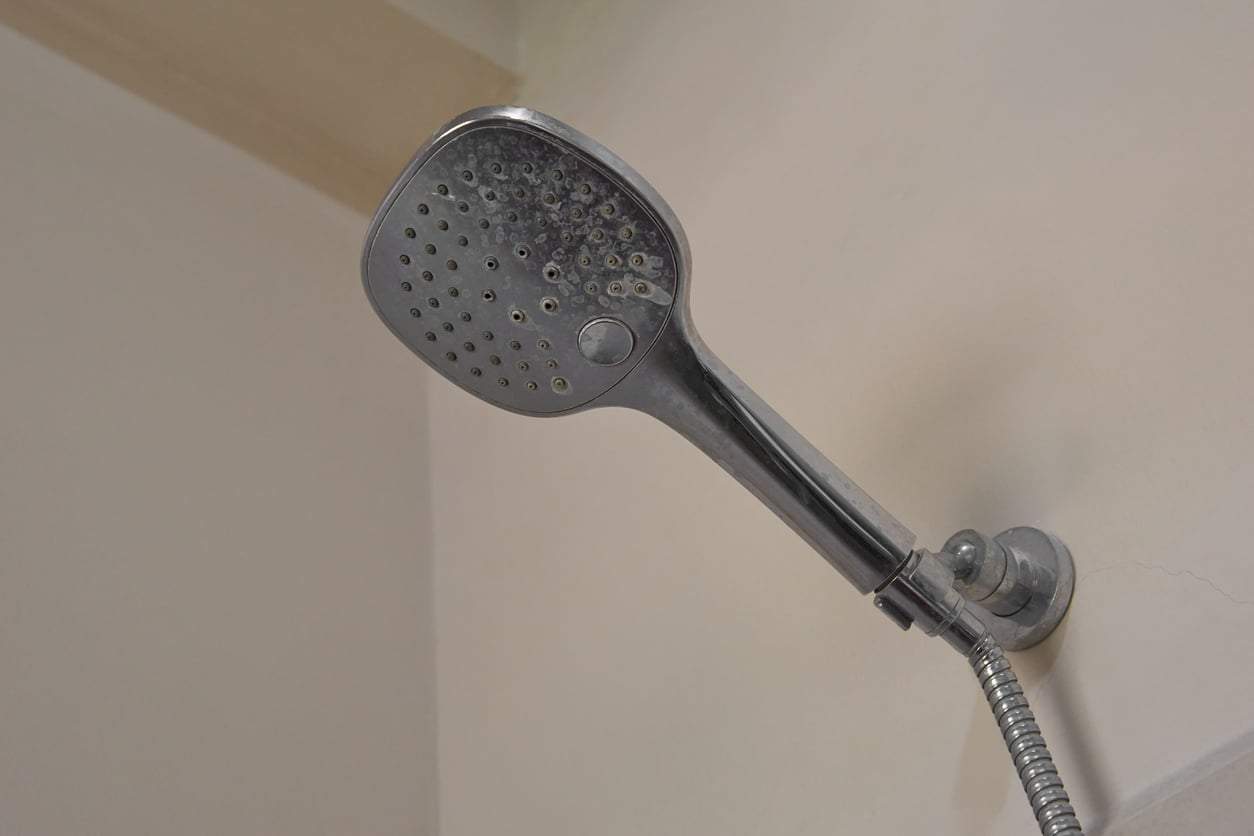
Water is easy to take for granted, but most households use far more than they need. Swapping in low-flow taps and water-saving showerheads is one of the simplest upgrades you can make — and the savings add up fast. Collecting rainwater for garden irrigation is another smart move that costs almost nothing to set up.
Don't overlook the small stuff either. A constantly dripping tap might seem trivial, but over time it can waste a surprisingly large amount of water — and money. A quick fix today can save you a noticeable amount on your water bill by the end of the year.
3. Energy-efficient appliances: smarter spending in the long run
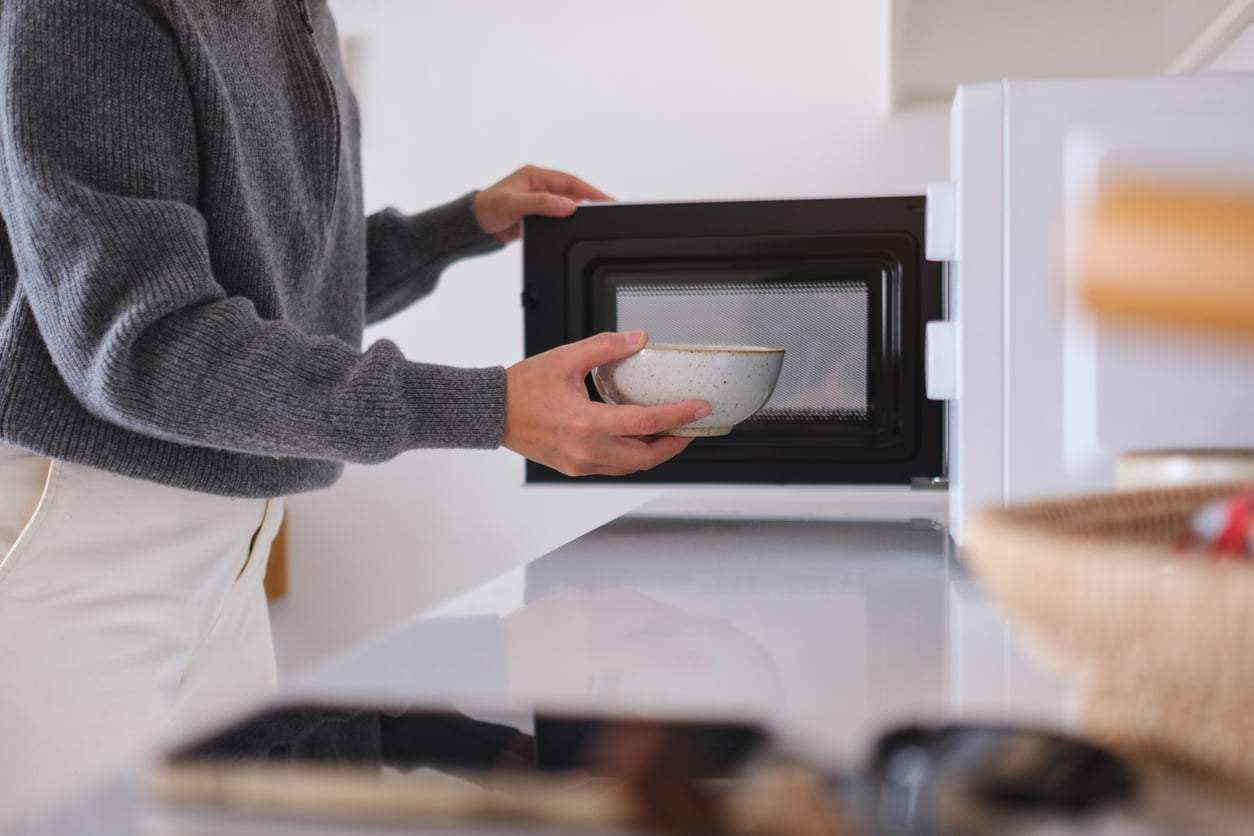
Old appliances are quiet budget drains. Replacing them with high energy-rated models — think A-rated refrigerators, washing machines, or dishwashers — means lower electricity consumption every single day. The savings might seem modest month to month, but they compound significantly over the lifespan of the appliance.
Take a moment to think about which appliances in your home use the most energy. Replacing them gradually — starting with the biggest offenders — is a practical and manageable approach.
You don't need to replace everything at once. Prioritize the appliances that run constantly or are more than ten years old — those are the ones quietly inflating your bills.
4. Eco-friendly cleaning products that are better for everyone
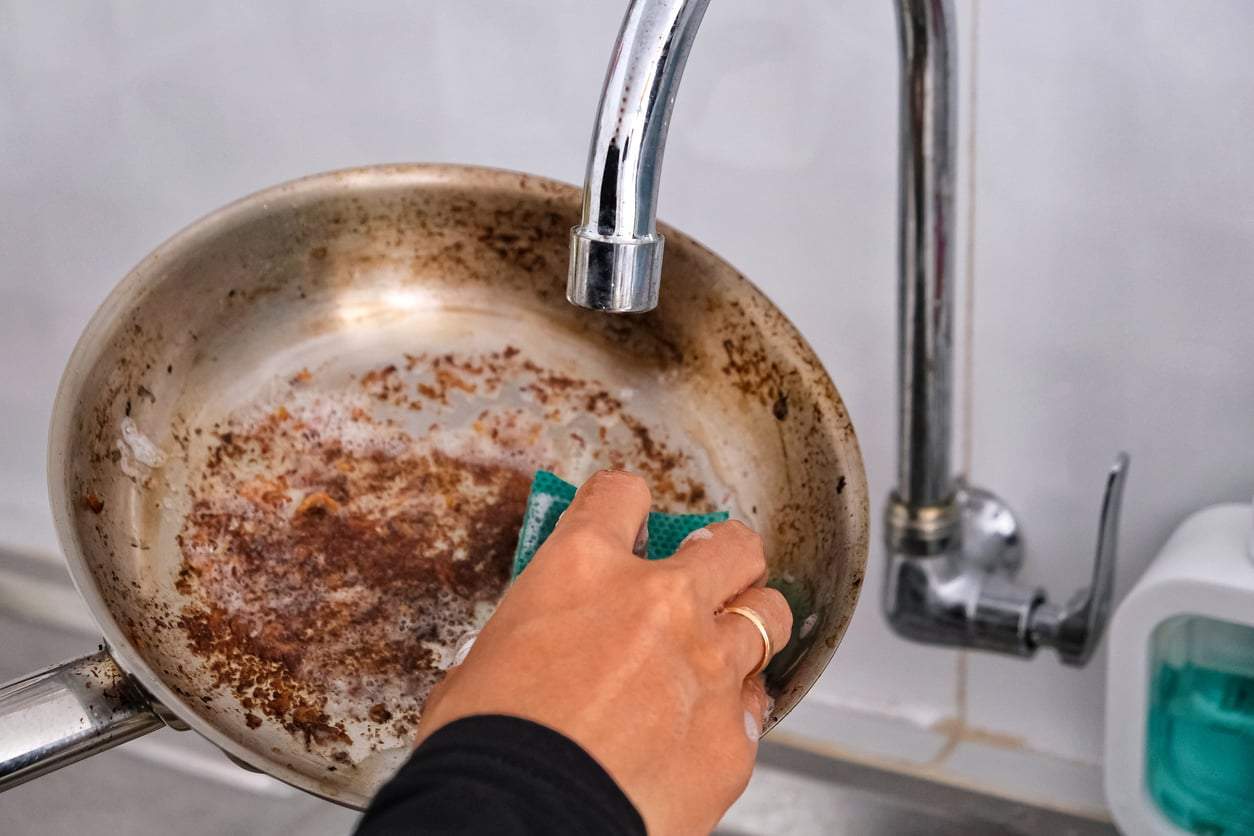
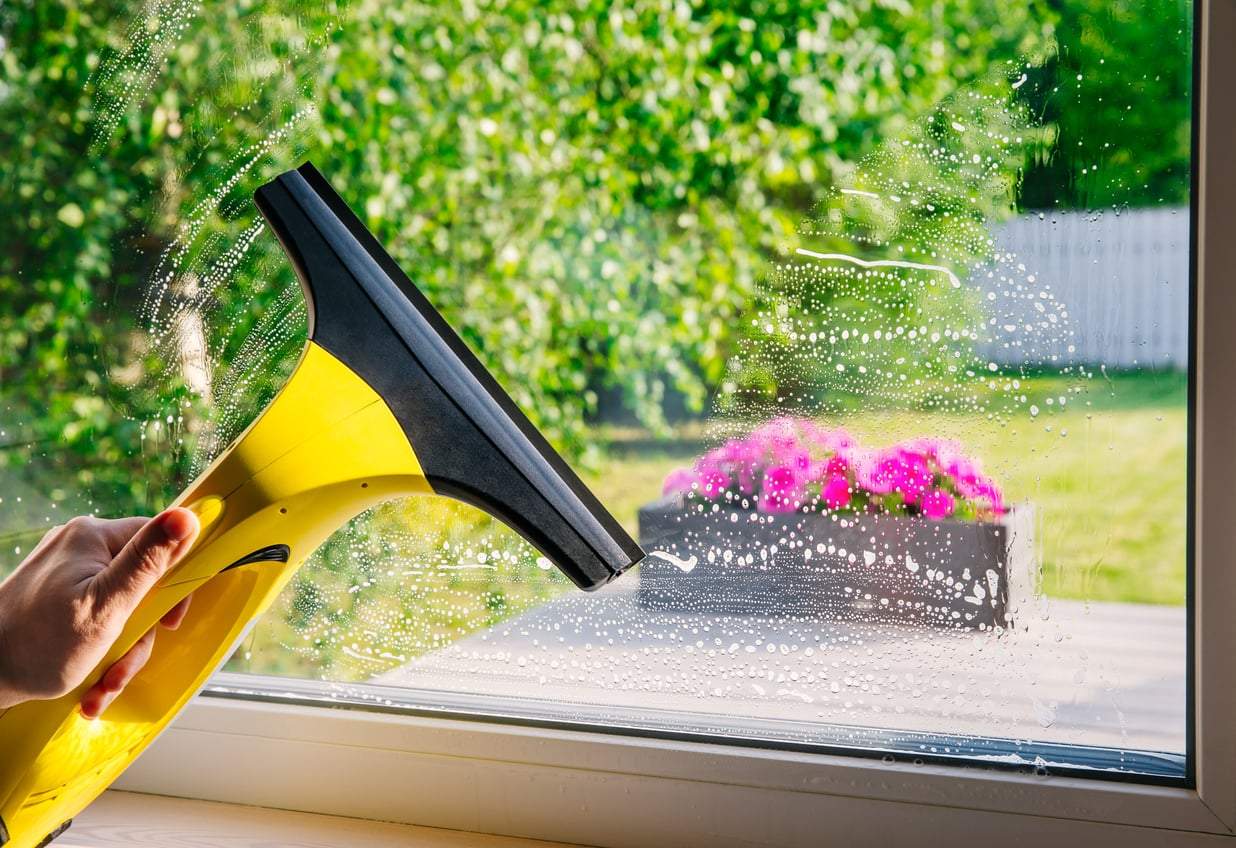
More people are switching to eco-friendly cleaning products — and not just for environmental reasons. Conventional cleaning products often contain harsh chemicals that affect indoor air quality and can irritate skin and airways. Natural, biodegradable alternatives are gentler on your home environment and on the planet.
Look for products with plant-based or biodegradable ingredients and minimal synthetic additives. They clean just as effectively as traditional products in most cases, and you'll feel the difference in the air quality of your home.
5. Buy local — it's sustainable and surprisingly affordable
One of the easiest ways to make your household more eco-conscious is simply to shop locally and seasonally. Seasonal fruit and vegetables from nearby producers are often fresher, cheaper, and carry a much lower environmental footprint than imported goods that have traveled hundreds of miles to reach your plate.
Choosing local products also means supporting small producers and your regional economy — a ripple effect that contributes to a more sustainable future beyond just your own home.
Building a greener home doesn't require a dramatic overhaul. A few thoughtful decisions — a new showerhead here, a seasonal shopping habit there — can meaningfully reduce your energy and water consumption while keeping more money in your pocket. Sustainability, it turns out, is one of the smartest financial choices you can make.