Bien Logo

5 Super Effective Anti-Inflammatory Steps to Add to Your Morning Routine

Isabella Reed2 min read
Share:
5 Super Effective Anti-Inflammatory Steps to Add to Your Morning Routine — Health
In this article

Inflammation is your body’s natural defense, protecting your immune system from harm like infections or injuries. But when inflammation sticks around too long, it can quietly damage your health and increase the risk of diseases such as diabetes, heart conditions, and some cancers. That’s why weaving anti-inflammatory habits into your daily routine is a smart move.

Start Your Morning with Anti-Inflammatory Foods

Breakfast is a golden opportunity to fuel your body right. Foods rich in antioxidants—like berries, green tea, and turmeric—can help dial down inflammation. Try adding more of these to your morning plate. A warm bowl of oatmeal with turmeric and blueberries is a delicious way to ease your body into a healthy habit.
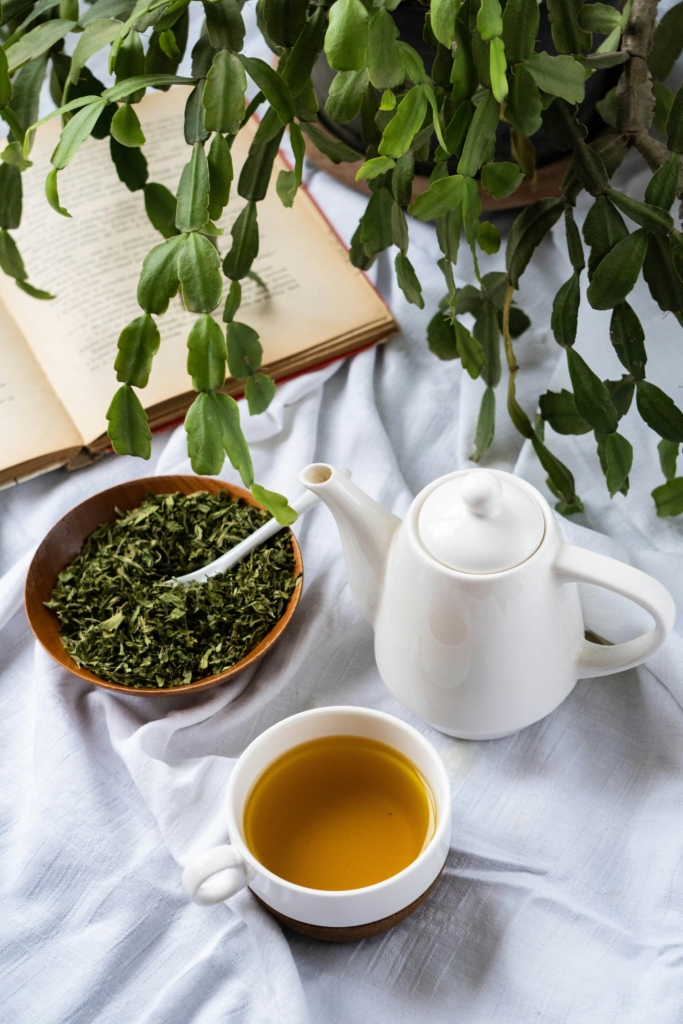
Cup of green tea

Try Morning Yoga Moves

Yoga isn’t just about the body—it’s a powerful way to calm your mind too. Morning yoga sets a peaceful, focused tone for your day. Gentle poses boost circulation, which can ease inflammation symptoms.

Just 10 minutes of morning yoga can make a big difference in how you feel.

Woman practicing yoga on terrace in the morning

Stay Hydrated Right After Waking Up

First thing after waking, drink a glass of lukewarm water with lemon juice (learn why temperature matters). It wakes up your body and helps flush out toxins that fuel inflammation. Lemon adds antioxidants and supports your immune system, making this a simple but powerful morning habit.

Woman drinking a glass of lemon water in the morning

Meditate for a Few Minutes Daily

Meditation isn’t just for peace of mind—it’s proven to lower stress, which directly impacts inflammation. Spending even a few minutes each morning helps you face the day’s challenges with calm and clarity. Try apps designed to guide you through effective meditation.

Woman meditating at sunrise, close side profile

Prioritize Quality Sleep

Good sleep is key to lowering inflammation. Getting enough restful sleep lets your body repair and reduces inflammation levels.

Stick to a consistent sleep schedule, avoid screens before bed, and create a cozy sleep environment.

Unmade bed in the morning

Overall, reducing inflammation isn’t just a health goal—it’s a lifestyle you can build with simple daily habits. These steps help you start your day with intention, boosting your well-being and protecting your health for the long haul.


Related reads

Bloating and rashes after eating healthy foods? Histamine intolerance might be the hidden reason — Health

Bloating and rashes after eating healthy foods? Histamine intolerance might be the hidden reason

If seemingly healthy foods leave you bloated, itchy, or covered in rashes, histamine intolerance could be the culprit. Here's what you need to know.

Isabella Reed
Why do Japanese people live so much longer? These habits could change your life too — Health

Why do Japanese people live so much longer? These habits could change your life too

Japan consistently tops the world's longevity rankings — but genetics isn't the real reason. Here are the everyday habits behind their extraordinarily long lives.

Isabella Reed
5 signs your meal timing is off — and why it's stopping you from losing weight — Health

5 signs your meal timing is off — and why it's stopping you from losing weight

Eating healthy but still not seeing results? Your meal timing could be the hidden culprit. Here are 5 signs your eating rhythm is working against you.

Isabella Reed
How to keep your home dust-free and allergen-free for weeks at a time — Health

How to keep your home dust-free and allergen-free for weeks at a time

If dust or allergens make you sneeze, itch, or struggle to breathe at home, these practical strategies can give you lasting relief — not just a quick fix.

Camilla Lucas
Why intense exercise doesn't work for everyone — and your nervous system is the reason — Health

Why intense exercise doesn't work for everyone — and your nervous system is the reason

More effort doesn't always mean better results. Science shows your nervous system plays a huge role in how your body responds to high-intensity training.

Emilia Grant
Can't Stick to Exercise? 5 Expert Tips to Get Your Motivation Back — Health

Can't Stick to Exercise? 5 Expert Tips to Get Your Motivation Back

Struggling to stay consistent with exercise? A psychologist reveals why motivation fades — and five practical strategies that actually work long-term.

Deborah Clark