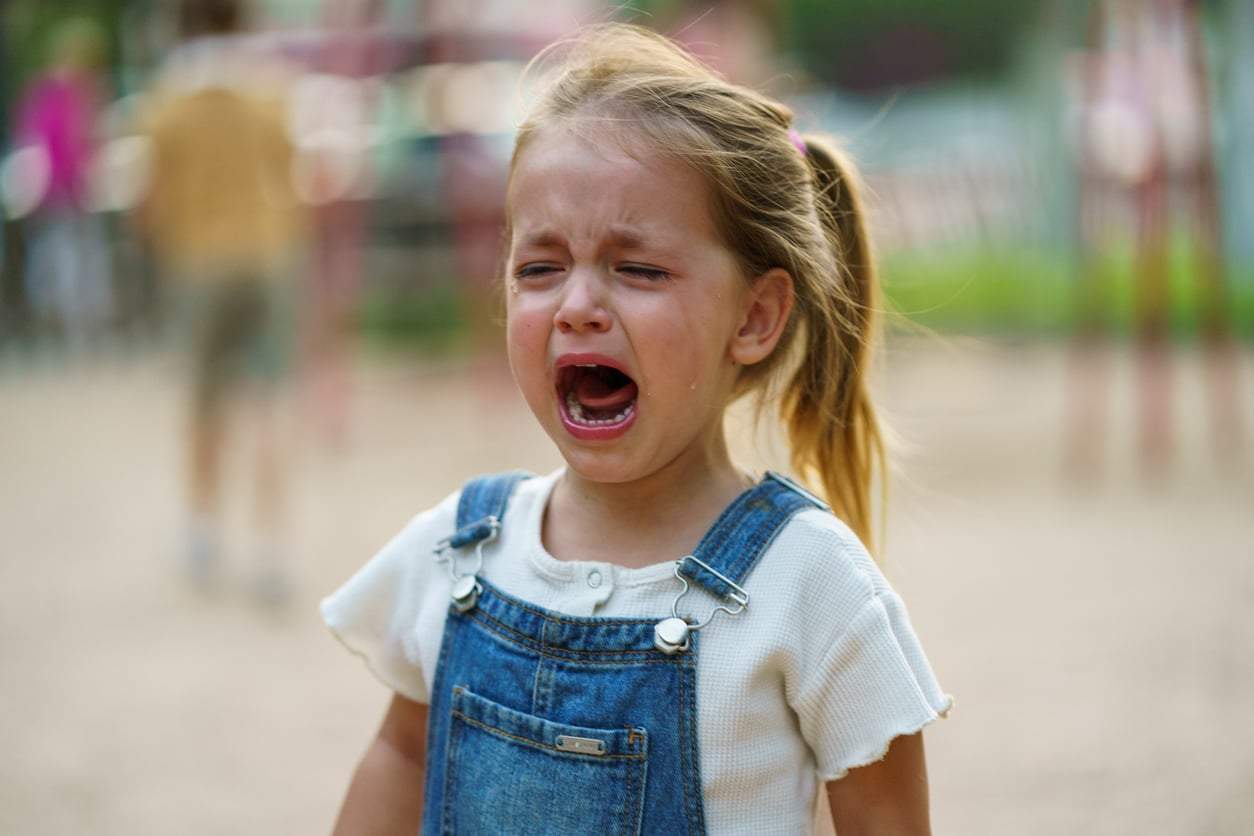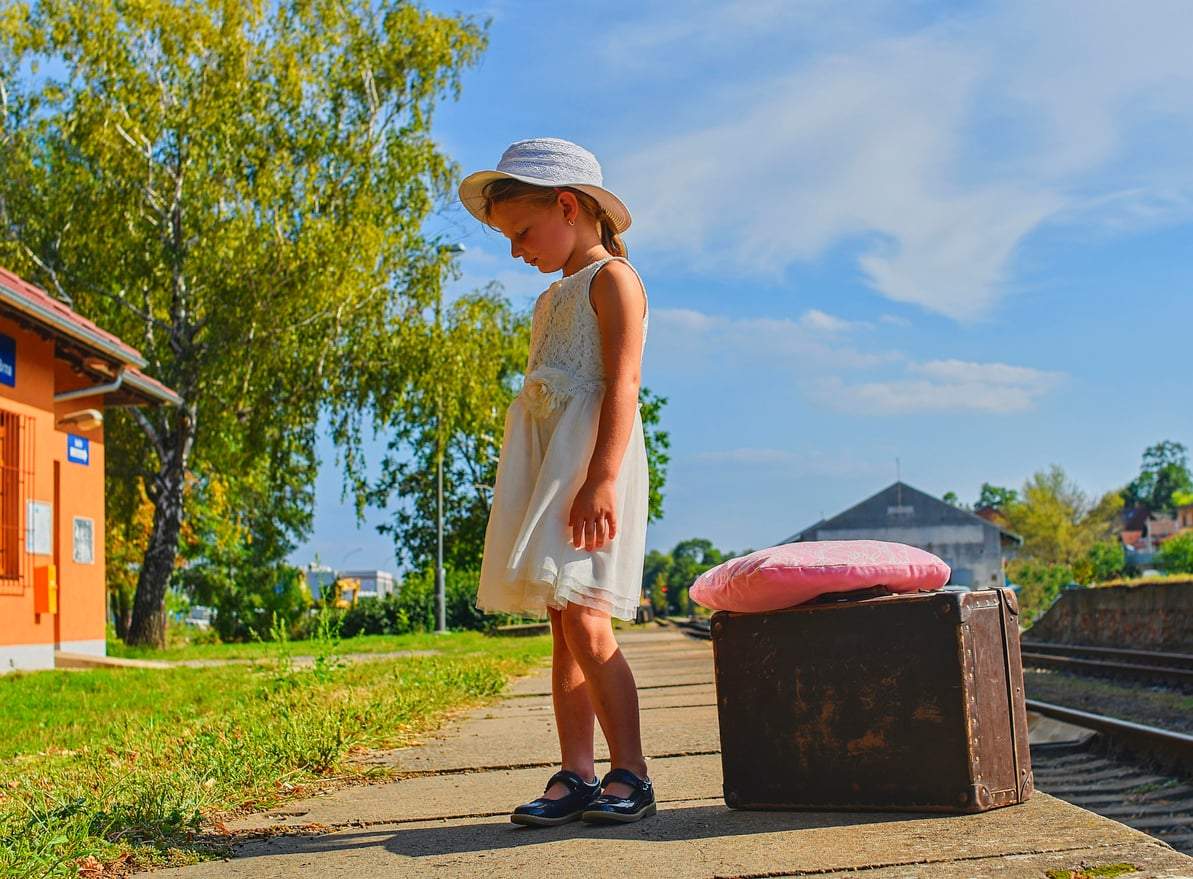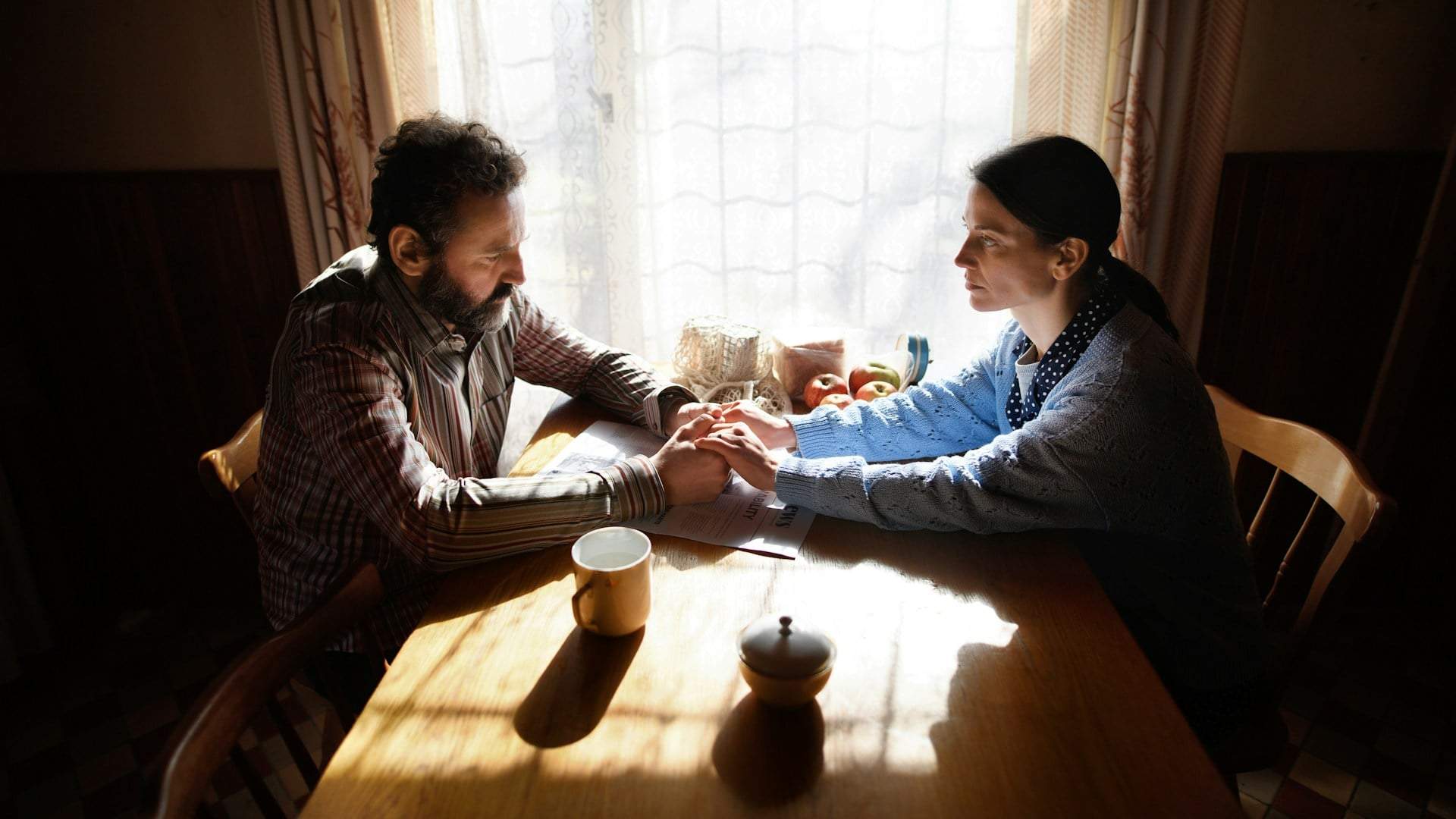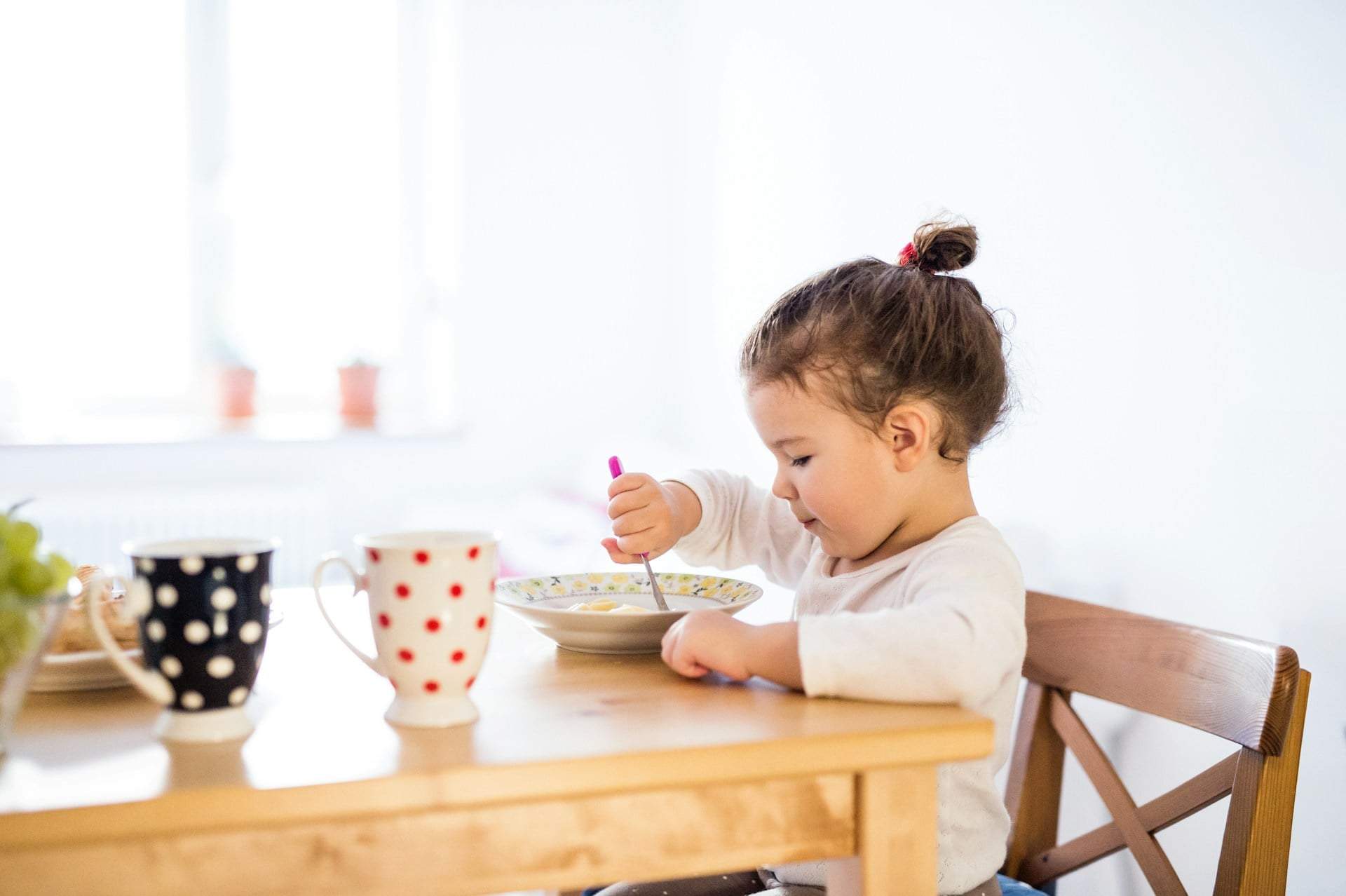
We weren’t poor, but I always knew we weren’t among the "well-off." I didn’t have brand-name clothes or cool shoes, and most new things were just something I admired from afar. I wasn’t starving or truly deprived, but often I had to give up those little desires that felt huge to me back then. Those experiences hurt at the time, but now I know: they shaped me into who I am.
I Learned That Less Isn’t Always Less
As a kid, I often stood in shop windows, watching things that were normal for others. At home, you couldn’t just "buy something" on a whim; every expense had to be carefully considered. My world was made up of discount stores, thrift shops, and sale racks. Back then, this made me feel ashamed, but now I see that it taught me to make mindful choices and spot treasures where others didn’t even look.
Maybe that’s why I still don’t chase after excess. It doesn’t take much for me to feel good, and most of my happiest moments come from free or very affordable activities.
I Realized Money Is More Than Just a Tool
For those who didn’t grow up with abundance, money means something very different than for those who always had it at their fingertips. It’s not just numbers on a bank statement; it represents security, mindfulness, and a kind of peace. As a child, I often saw how much planning, sacrifice, and organization it took to make ends meet.
I learned that money must be earned, and that "saving" doesn’t always mean scarcity but serious planning whose rewards grow over time.
As an adult, I realized it’s easy to go to the other extreme. For a long time, I found it hard to spend—even when I could afford to. I kept my distance from finances as much as possible. It took time to see that money and spending can be part of a healthy flow, not a constant source of anxiety and tension.

My Empathy Deepened
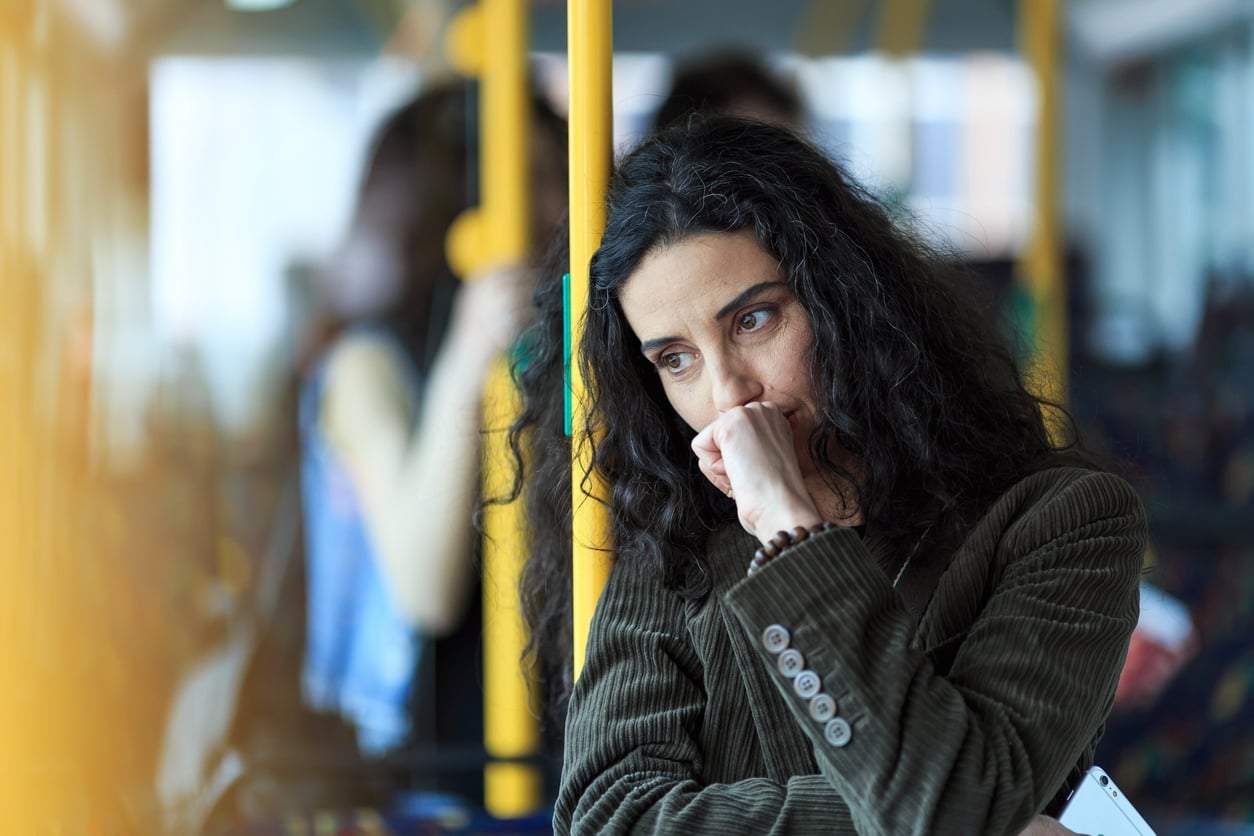
Anyone who’s ever felt like an outsider—no matter the reason—sees people differently. As a child, I experienced what it’s like when you don’t have the financial backing to guarantee a carefree adolescence. You always have to prove more, learn more, and work harder. This experience first hardened me, then opened me up.
Today, I know that most conflicts and personalities hide stories—insecurities, fears, and lacks. My childhood taught me to pay attention: to myself, to others, and to unspoken hurts and thoughts. This sensitivity has become one of my greatest strengths, both personally and professionally. I treasure and nurture it like a true gem!
I’m Grateful for Both Little and Much
When I had to give something up as a child, it felt like a huge, irreplaceable loss. Now I know that scarcity taught me to appreciate what I have. As an adult, I’m thankful every day that I don’t have to watch prices with every purchase and that I can confidently buy higher-quality food if I want.
That we can buy brand-name shoes for my daughter, even knowing she’ll outgrow them in a few months, and that we can fit not just one trip but many into our year. These things remind me where I came from and how hard we worked to live like this now.
I Look for Solutions in Every Situation
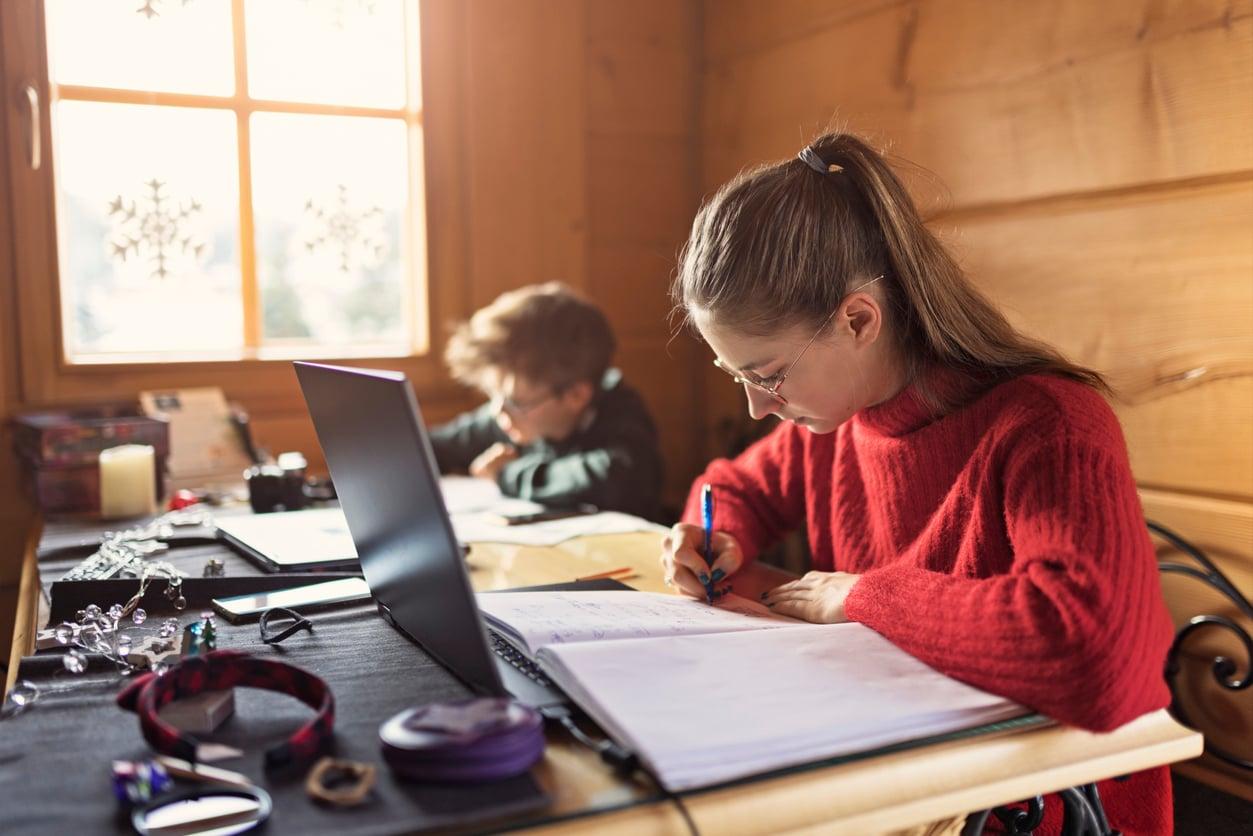
My teenage years taught me to fight because I couldn’t wait for someone else to fix things for me. I learned to solve problems, fix what’s broken, adapt plans, and yes, eventually that asking for help is courage, not weakness.
Today, if things don’t go as planned, I don’t panic. The planner in me steps up with backup plans B, C, and D. I know there’s always a way out—I just have to find it and focus immediately on possible solutions. This flexibility and perseverance are among the greatest gifts my childhood gave me.
If I could start over, I wouldn’t ask for things to be different—in fact, I’d want everything to happen just the same. While I had to give up a lot, I learned that true values can’t be measured in money, though money is definitely needed for worry-free happiness. But where I once thought happiness meant having it all, I now know real contentment comes not from owning but from appreciating what’s been given.