Parenting is a constant balancing act between holding on and letting go — between the instinct to shield your child from every hurt and the knowledge that they need to face some of it themselves.
Of course you want to see a happy, settled face instead of wiping away tears. But buried inside that fierce, well-meaning urge to help lies a trap. A quiet pattern — one many of us inherited from our own childhoods — that masquerades as good parenting while it slowly erodes the very thing we're trying to build: trust.
We wrap our own anxiety in the packaging of help
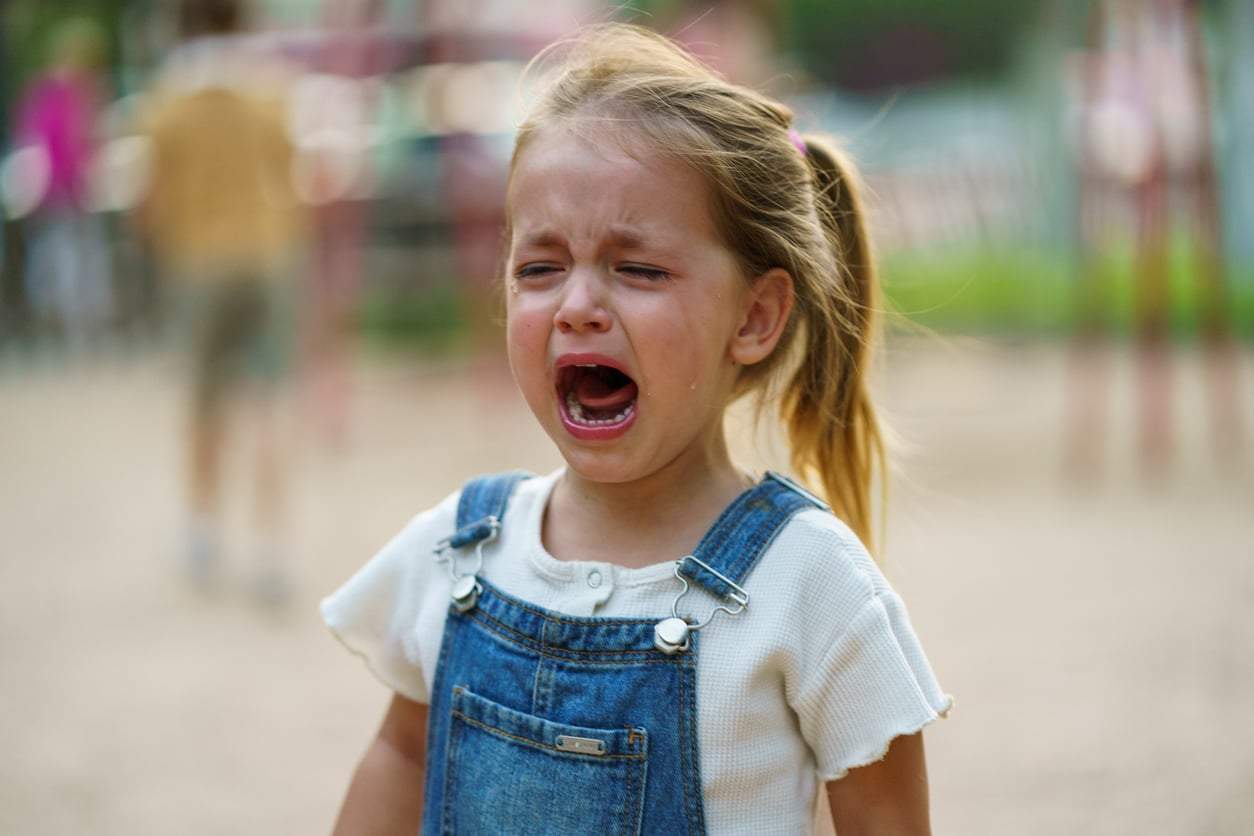
The moment a child struggles — gets stuck on homework, bursts into tears, makes a mistake — most parents instinctively spring into action. Out come the solutions, the advice, the gentle redirections. But that reflex rarely has much to do with the child. More often, it's our own discomfort we're trying to soothe. Our own anxiety about feeling helpless.
The child, however, doesn't read this as love. They read it as a quiet, painful message: "You can't handle this on your own. I need to step in." And with every well-intentioned intervention, we rob them of something essential — the chance to discover that they can trust themselves.
Instead of building resilience, our constant readiness breeds helplessness. The child learns that their feelings aren't really the point — the quick fix is. And then we wonder why they seem so impatient, so unable to sit with discomfort.
When logic stops feeling like safety
I experienced this shift firsthand — and it caught me completely off guard. For years, I was quietly proud of the relationship I had with my daughter. We'd sailed through the toddler years with barely a storm. No epic meltdowns, no battles of will like the ones I watched other parents endure.
I told myself I'd found the key: talk everything through, explain the reasoning, use calm logic to guide her out of a spiral. She responded so well to it. It felt like a partnership.
Then, almost overnight, early adolescence arrived — and our smooth-running family machine ground to a halt. The gentle suggestions I'd always wrapped in softness suddenly hit walls. Now even the smallest well-meaning comment earns me a sharp look and a cutting remark: "Great, are you going to tell me when to breathe next?"
It was genuinely hard to accept, but what I experienced as support, she experienced as suffocating control. By always offering a logical explanation, I had — without realizing it — been quietly signaling that I didn't believe she was capable of figuring things out herself. On the edge of adolescence, she was done with that.
What children actually need instead of strategies
When your child comes home and tells you that no one played with them at recess, your heart breaks — and before you know it, you're already offering solutions: "Try going up to someone tomorrow. Bring a different toy. Be more open."
But in doing that, we take away the one thing they actually need: the right to feel sad and angry. They're not looking for tips. They're looking for permission to feel their disappointment without someone immediately trying to fix it.
Experts often say the most healing thing a parent can do is simply sit beside their child, put an arm around them, and say: "That sounds like it really hurt."
Empathy — even shared silence — offers a deeper sense of security than the best strategy in the world. When a child sees that you can bear their pain without flinching, they learn that hard feelings aren't dangerous. And gradually, they discover they can move through those feelings on their own.
When we constantly rush to rescue our children, we're really managing our own anxiety — and passing on a toxic pattern that teaches them difficult emotions are unbearable and mistakes are catastrophic. The lesson here isn't that we're bad parents, or that we should never offer guidance. It's that how we express our love sometimes needs to change.
Your child doesn't need a perfect problem-solver who fixes every stuck moment in their life. They need to know that with you, they are home — even when their world feels like it's falling apart.