There's a line I've heard more times than I can count: "An only child isn't really a child." As if the number of kids you have is what determines whether you're doing parenthood right. I disagree — and it turns out, science does too.
When the world decides how your family should look
As my daughter grew out of babyhood, the comments started rolling in. "Isn't it time for a little brother or sister?" "She needs a playmate." "You can't really play with her the way another child could." The implication was always the same: my choice to have one child was somehow incomplete.
At first, I tried to explain myself. I searched for the right words to justify why I didn't feel that overwhelming pull toward a second pregnancy. Over time, though, I realized something important: this decision belongs to us, and no one else.
I genuinely admire families where three or four children fill the house with noise and energy. I can see the beauty in that chaos. But I've also grown more certain with every passing year that our path leads somewhere different. And that's not a failure — it's a choice.
What a study of 23,000 people actually found
A recent 2026 German study published in the Journal of Personality followed more than 23,000 people to examine the relationship between having children and life satisfaction. The findings were striking.
People who consciously chose to have one child — or no children at all — reported equally high levels of wellbeing as those who had always wanted a large family and achieved it. It's not the number that matters. It's whether your reality matches your inner desires.
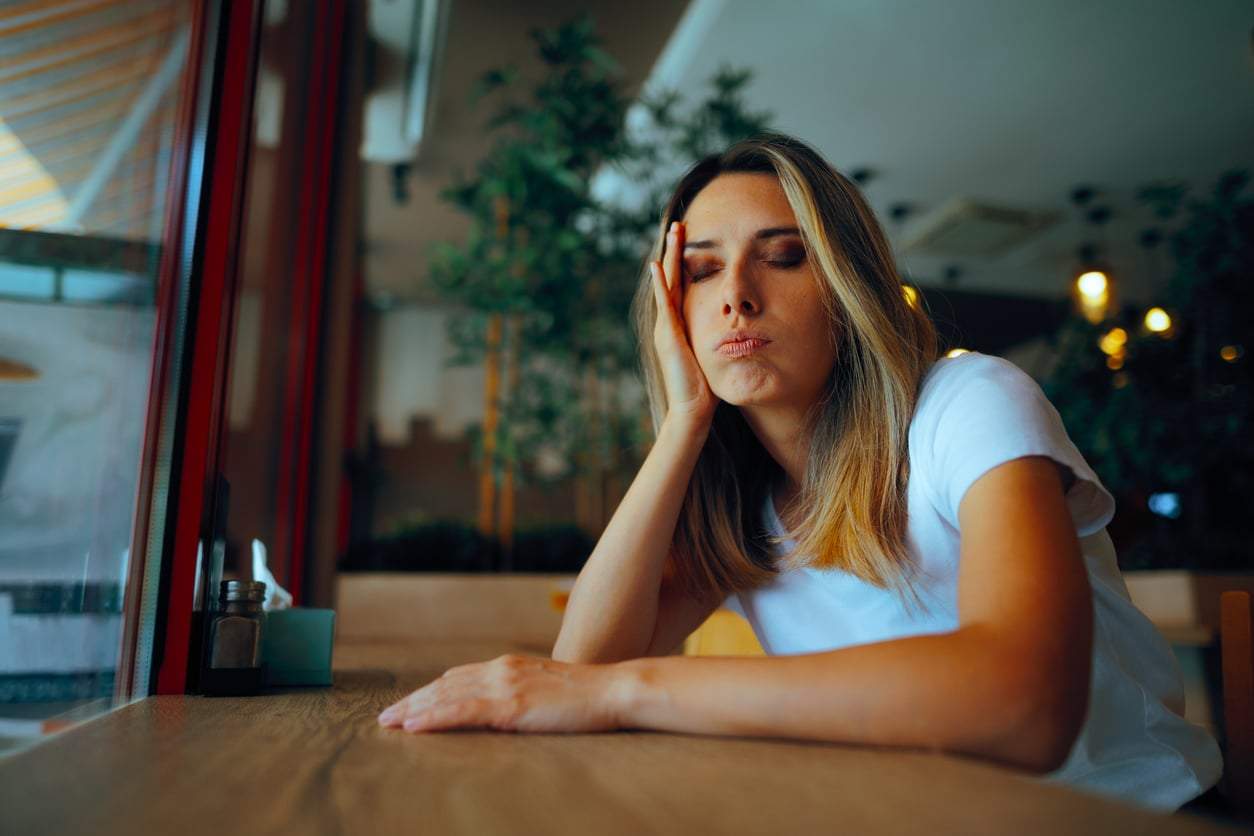
The real drop in wellbeing came from a different place entirely: parents who ended up raising more children than they had truly wanted. For them, the loss of personal autonomy and the weight of constant overwhelm significantly lowered their quality of life.
That finding didn't surprise me. I've watched it happen up close. I know someone who — already stretched to her limit caring for a child with high support needs — went on to have two more. I haven't seen her smile in years.
The weight of love — and the limits of it
When I became a mother, I fell in love in a way I hadn't expected. But alongside that love came the full weight of responsibility, and the reality of what you give up. Emotional and physical capacity isn't infinite. It doesn't just replenish itself because we wish it would.
My freedom and my personal time aren't selfishness. They're what make sustainable, present parenting possible.
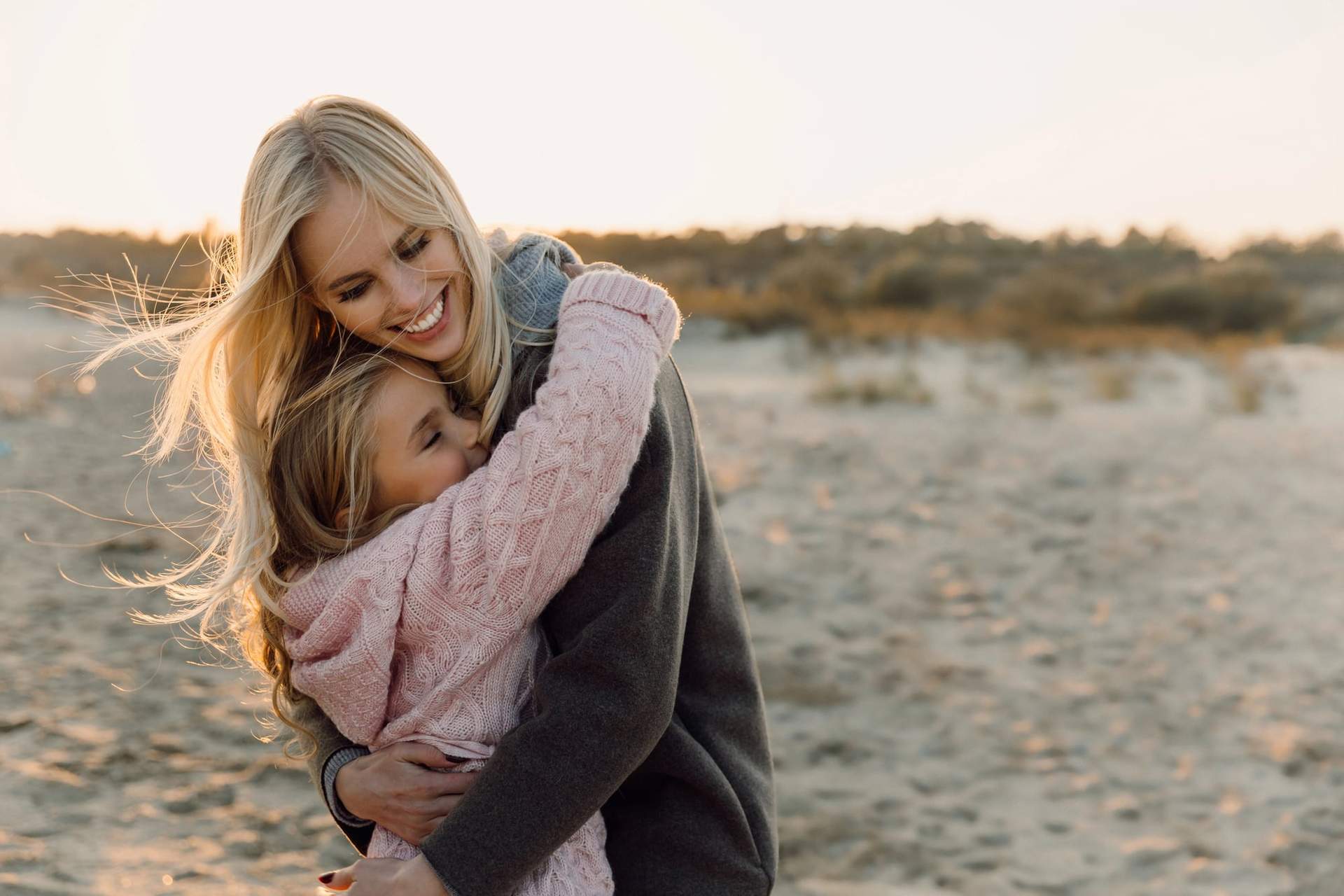
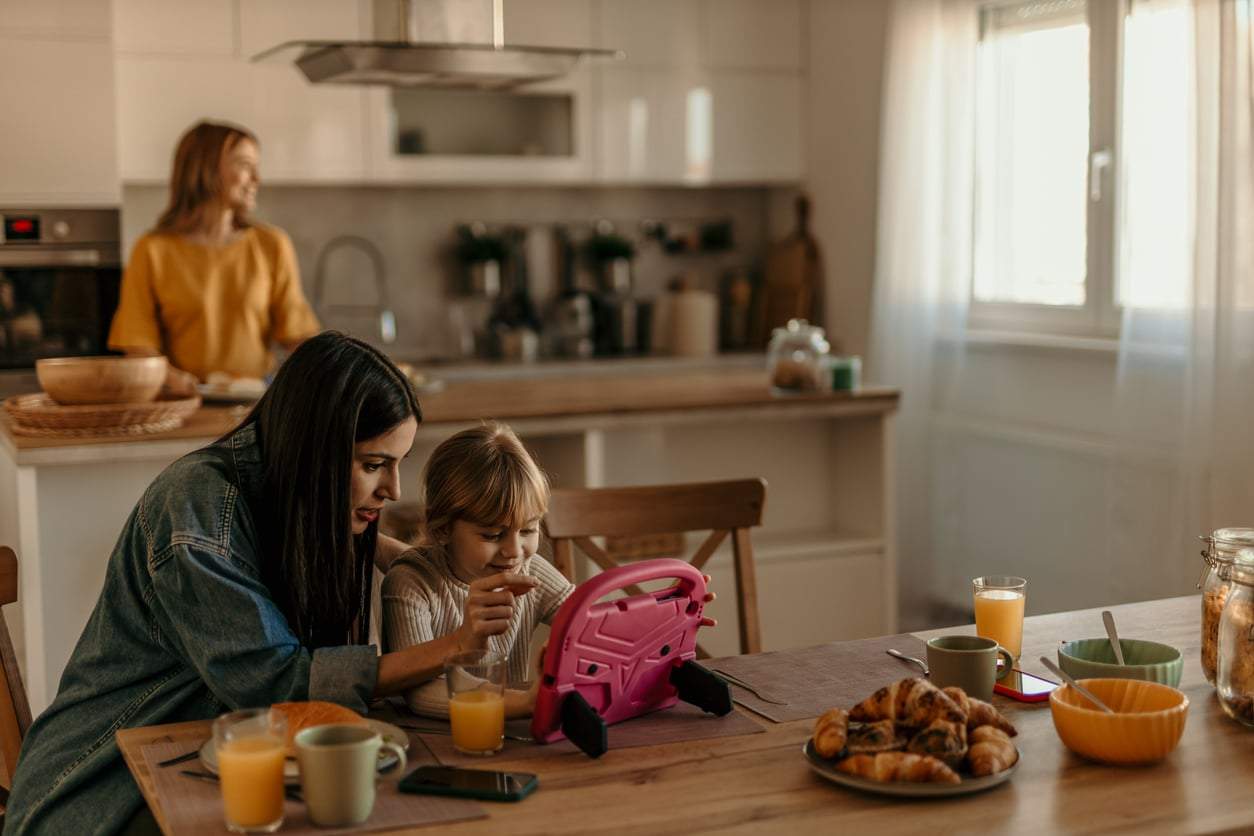
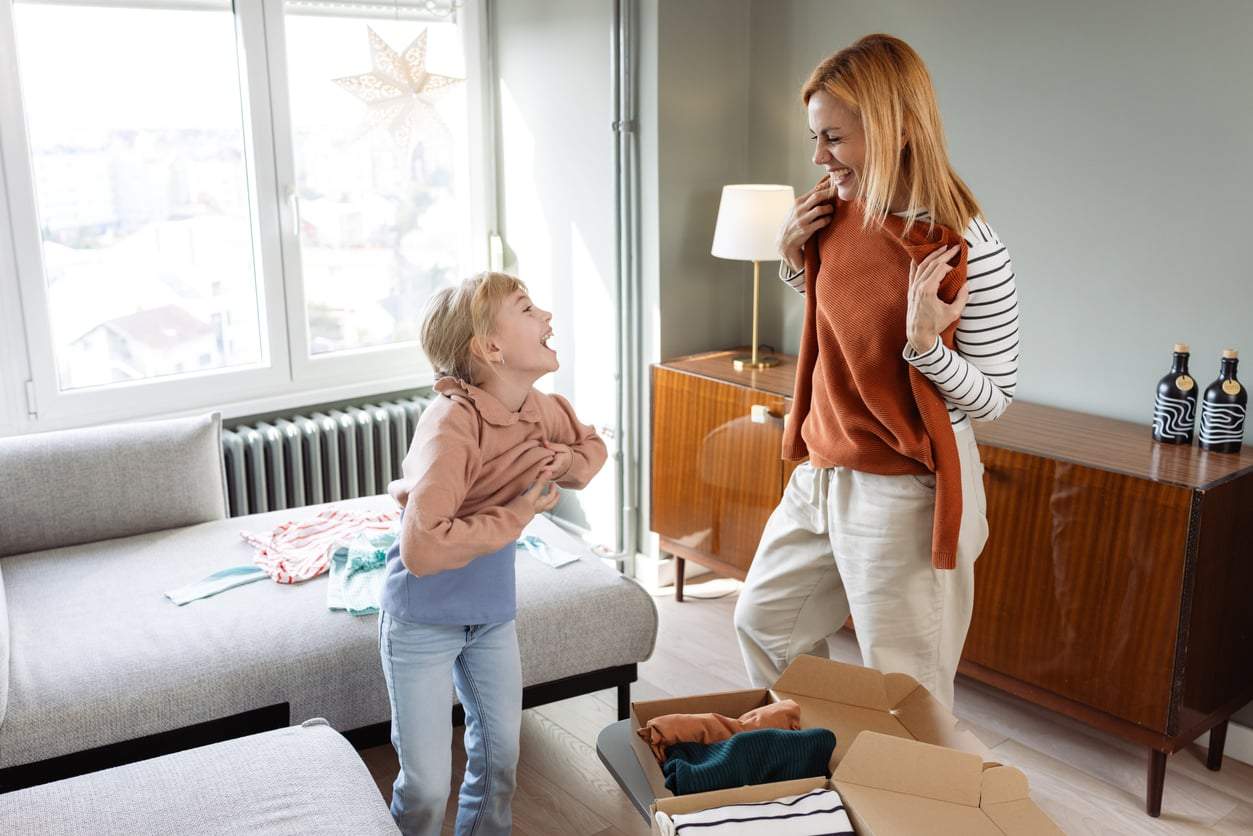
I want to remain the woman who loves her work, who has her own goals, who carves out space for herself. Because I genuinely believe that if I had a second child, the attention and presence I'm able to give my daughter right now would inevitably shrink. And that undivided presence — that full, unhurried attention — is the thing I value most about the parent I'm able to be.
If you've ever felt torn between what you truly want and what people around you seem to expect, you might find it helpful to explore how women who've chosen a different path describe their lives — it's a perspective worth hearing.
The freedom of a conscious choice
I think it's time we let go of the guilt that comes with not fitting the "perfect family" image society hands us. There is no single right answer. Some people flourish in the joyful mayhem of a big family. Others find their balance with one child, or none. Both are valid. Both can be beautiful.
What matters is that the choice comes from within — not from a neighbor's raised eyebrow or a relative's well-meaning comment at Sunday dinner.
A child doesn't need a built-in playmate above all else. What they need most is a mother and a father who haven't been ground down by a life they didn't fully choose — parents who show up happy, steady, and genuinely present. That is the foundation that children actually thrive on.