Homes in Japan are usually much smaller than what you might find in Western Europe or North America. This compact living philosophy, refined over decades into a mindful lifestyle, embraces minimal space use and maximized functionality. Here, we explore five things Japanese women typically don’t keep at home—and the valuable life lessons we can learn from these choices.
A Curated Wardrobe
One hallmark of Japanese women’s approach is avoiding a large, cluttered wardrobe. This mindset often stems from the Japanese take on minimalism called danshari, encouraging them to keep only what they truly need and love.
This streamlined wardrobe not only makes organizing easier but also simplifies daily choices. Fewer options mean less stress and saved time—an absolute win in today’s fast-paced world.
Unnecessary Kitchen Gadgets
Japanese kitchens are just as airy and functional as their wardrobes. To save space, Japanese women often skip kitchen tools they rarely use, opting instead for versatile gadgets.
This not only frees up room but also teaches how to create varied and delicious meals without needing a different tool for every recipe.
Minimal Decorations
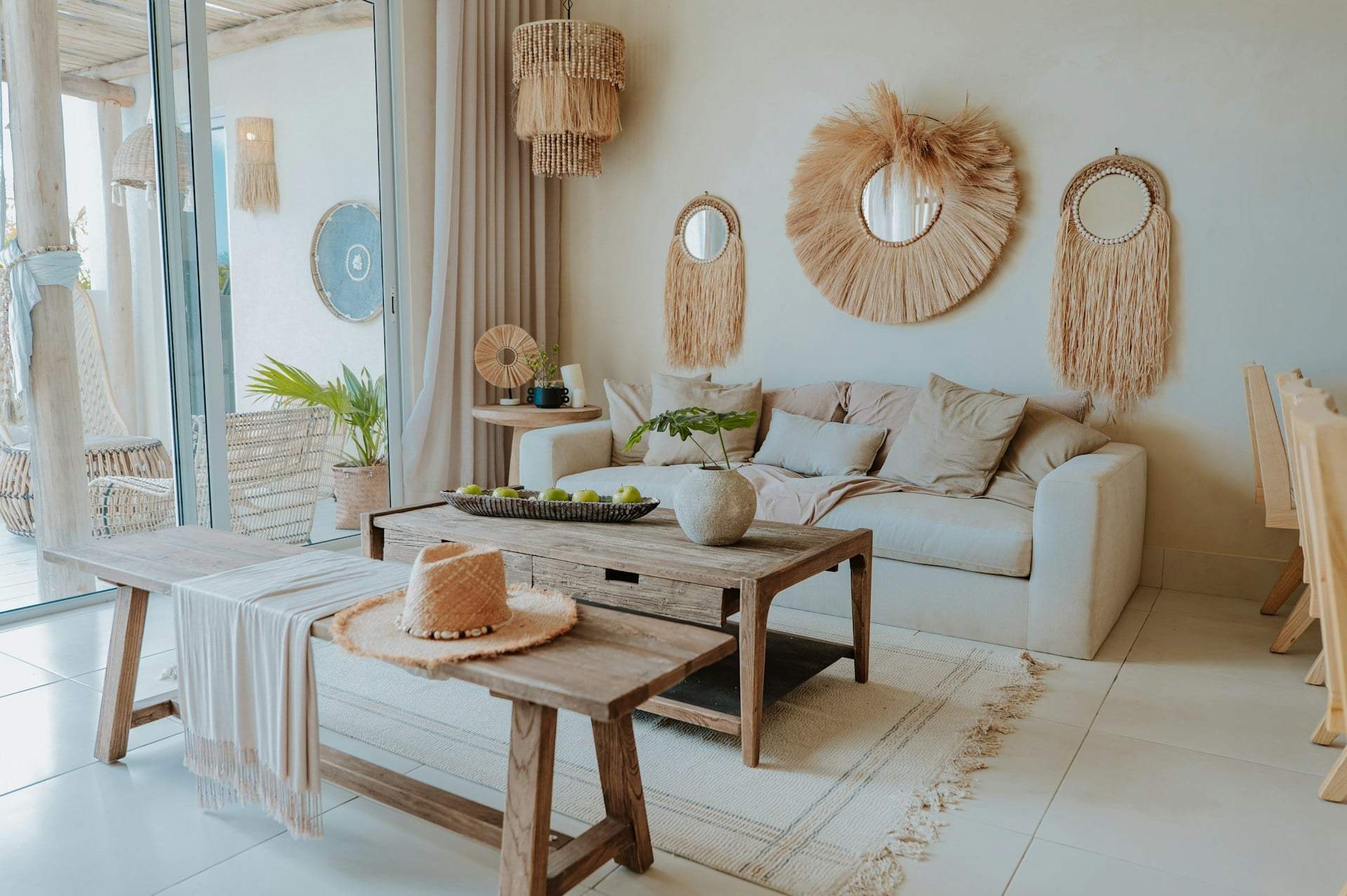
Minimal decoration is a long-standing tradition in Japanese culture. Tatami mats, clean lines, and elegant natural materials define their homes. This isn’t just about looks—it’s a way to honor space and nature.
Keeping decorations simple helps maintain a calm, uncluttered environment, freeing residents from distractions so their space truly supports their needs.
Digital Minimalism
Despite technology’s big role in daily life, many in Japan strive for digital minimalism. They avoid unnecessary gadgets and digital distractions at home.
This approach supports mental well-being and helps turn the living space into a true sanctuary—a place to recharge and escape the noisy, stressful modern world.
Mindful Paper Use
While digitalization has reduced paper use worldwide, Japan has long practiced mindful control over it. The art of origami symbolizes respect for paper and thoughtful use.
Japanese homes produce less paper waste because owners often prefer digital solutions for communication and documents, printing only what’s truly necessary.