What Is Japandi Style?
Japandi style is a fusion of Japanese and Scandinavian interior design focused on minimalism, functionality, and clean lines. It first appeared in the 2010s and quickly gained popularity, especially among those who appreciate simplicity and natural beauty. The goal of Japandi is to create a harmonious home that supports emotional renewal and inner peace.
How to Achieve Japandi Style
Creating Japandi style at home starts with a few key elements. First, embrace minimalism, focusing on simplicity and practicality.
Avoid clutter and prioritize practical, multifunctional furniture.
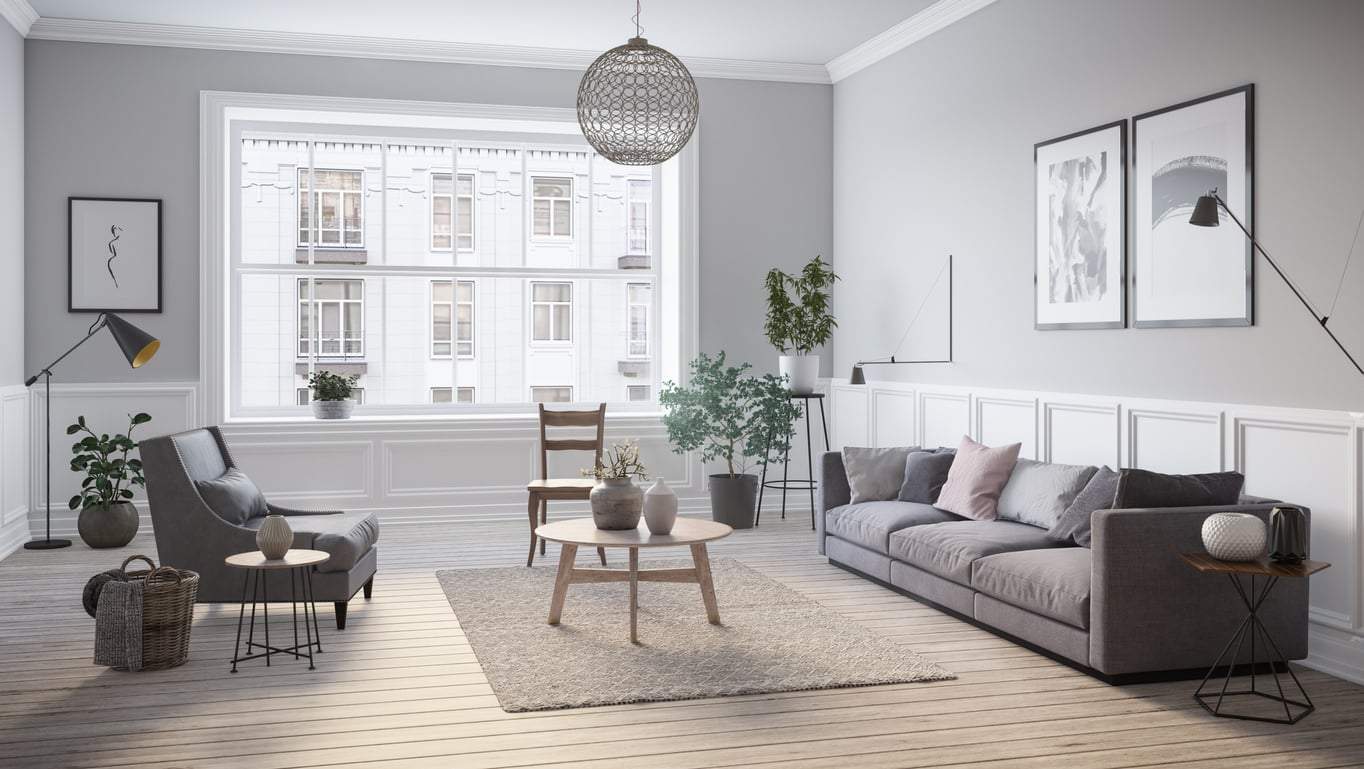
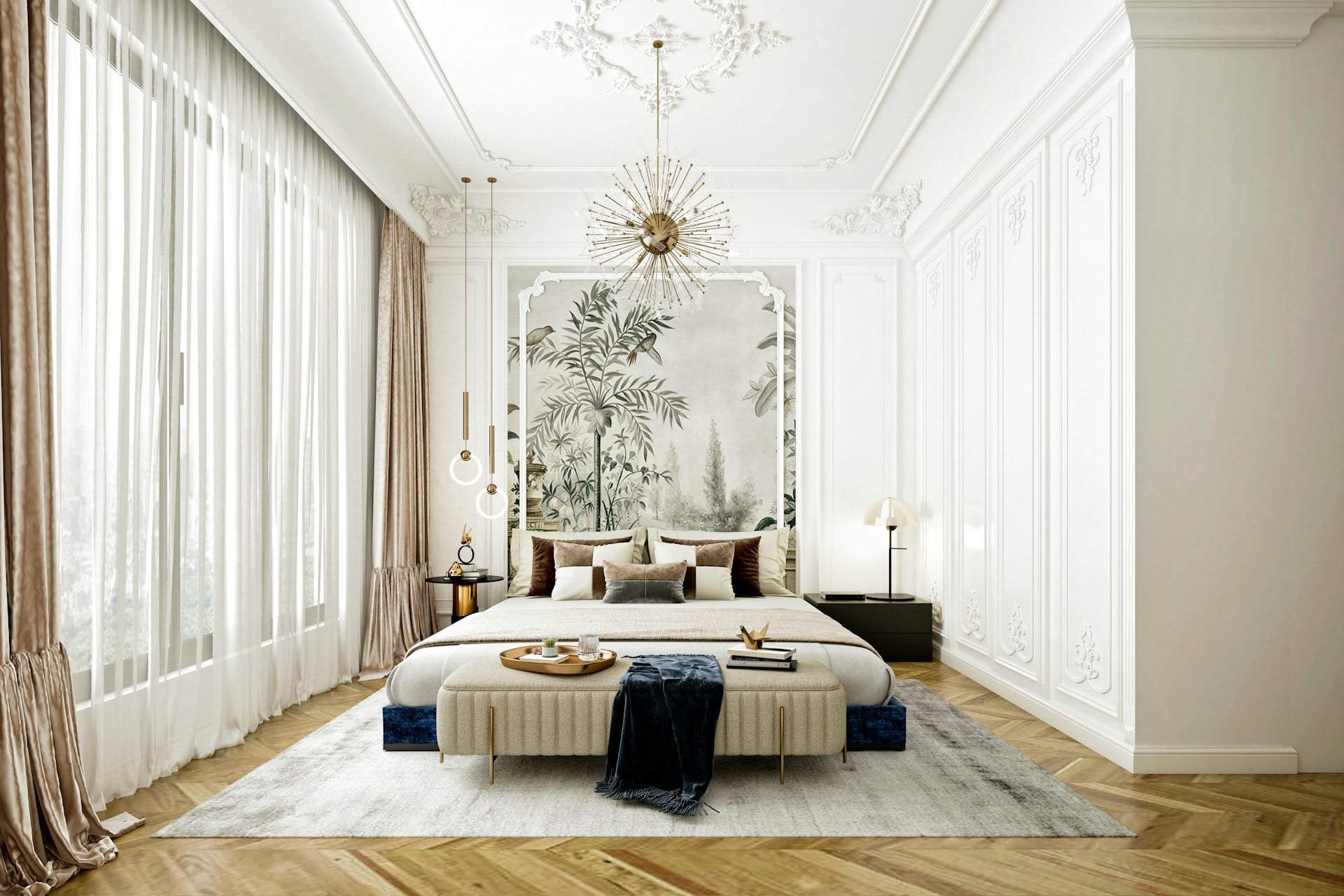
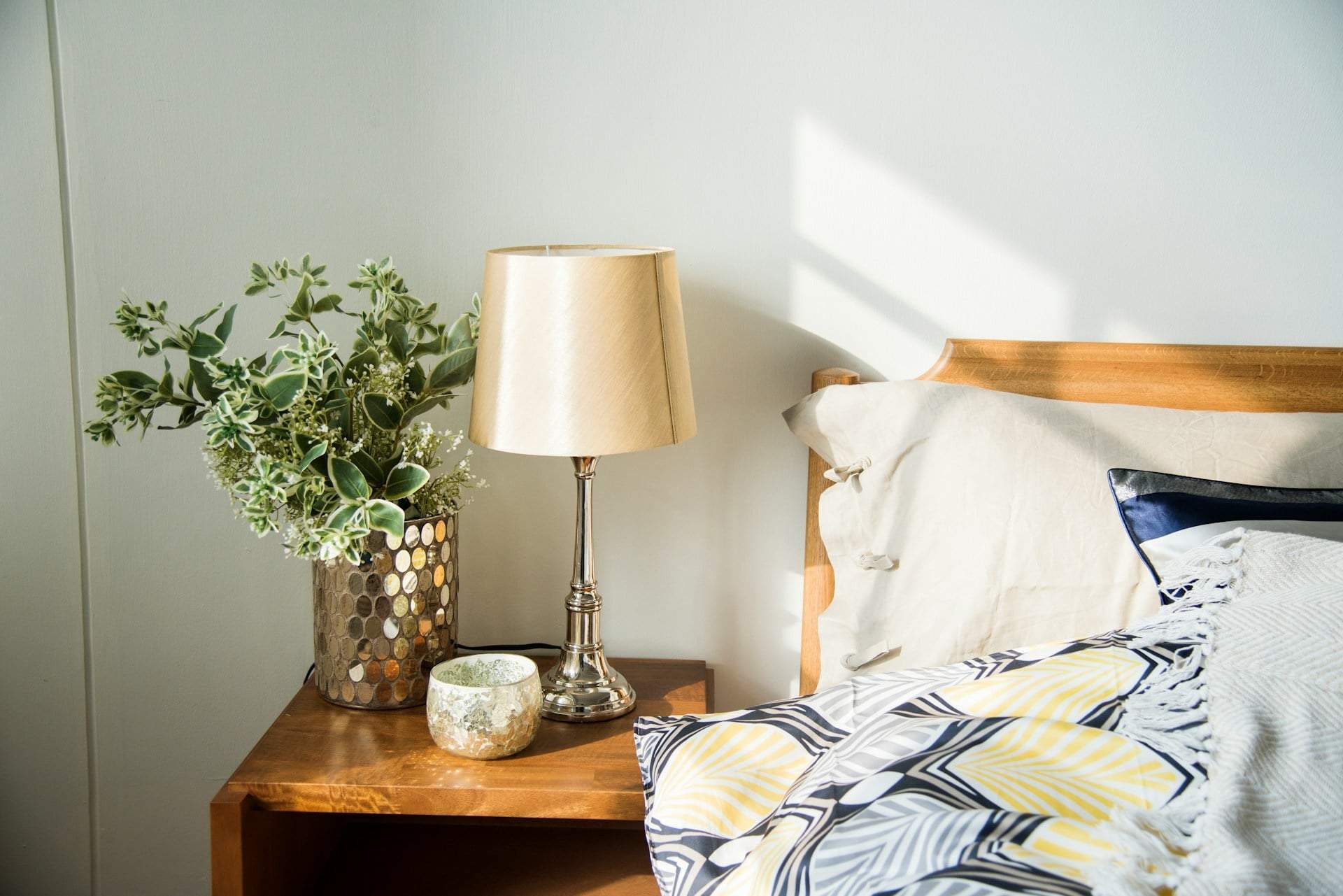
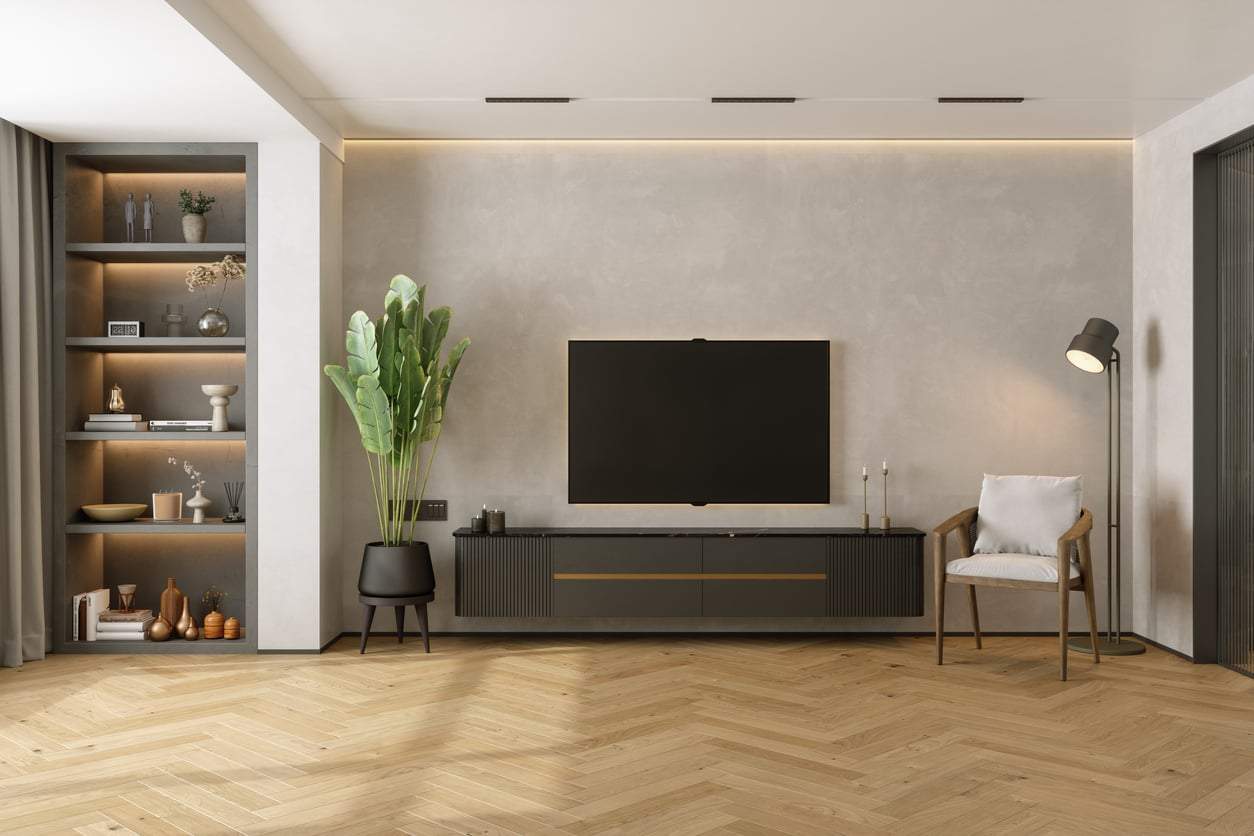
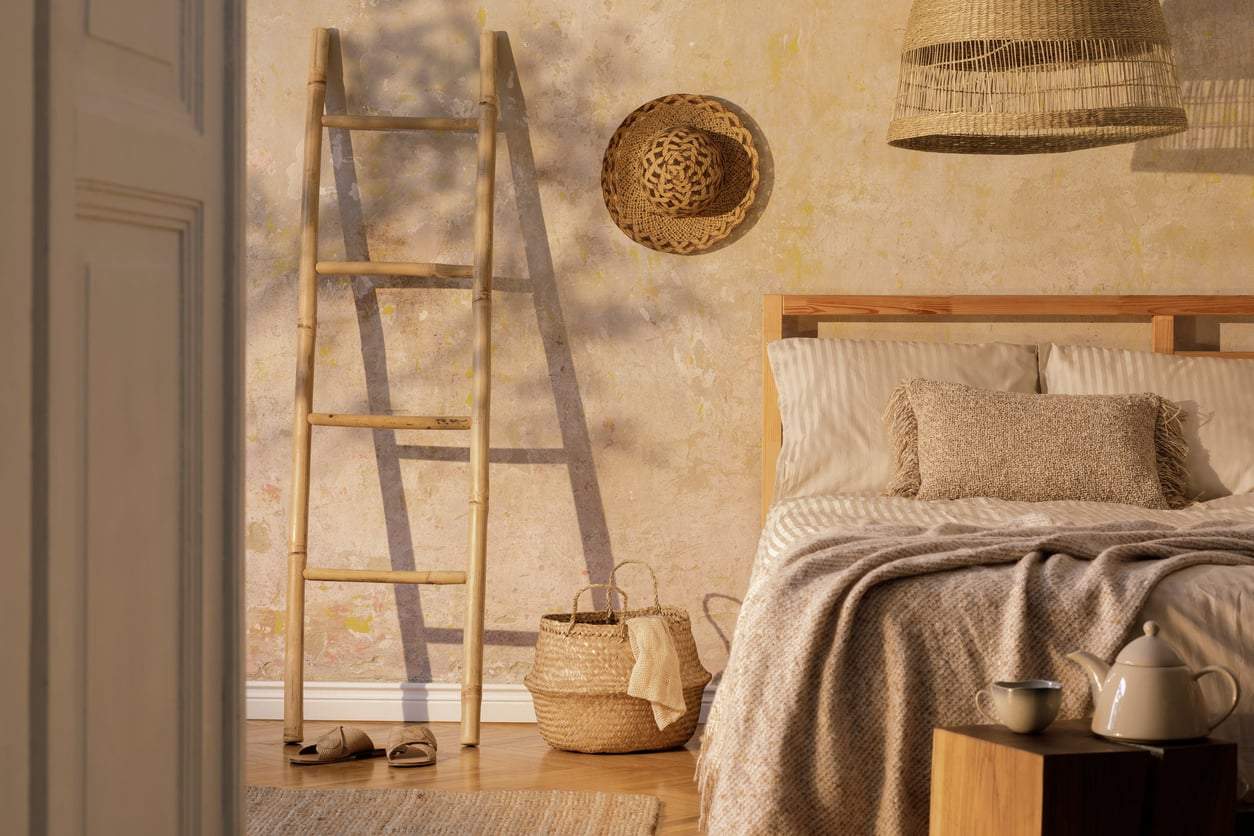
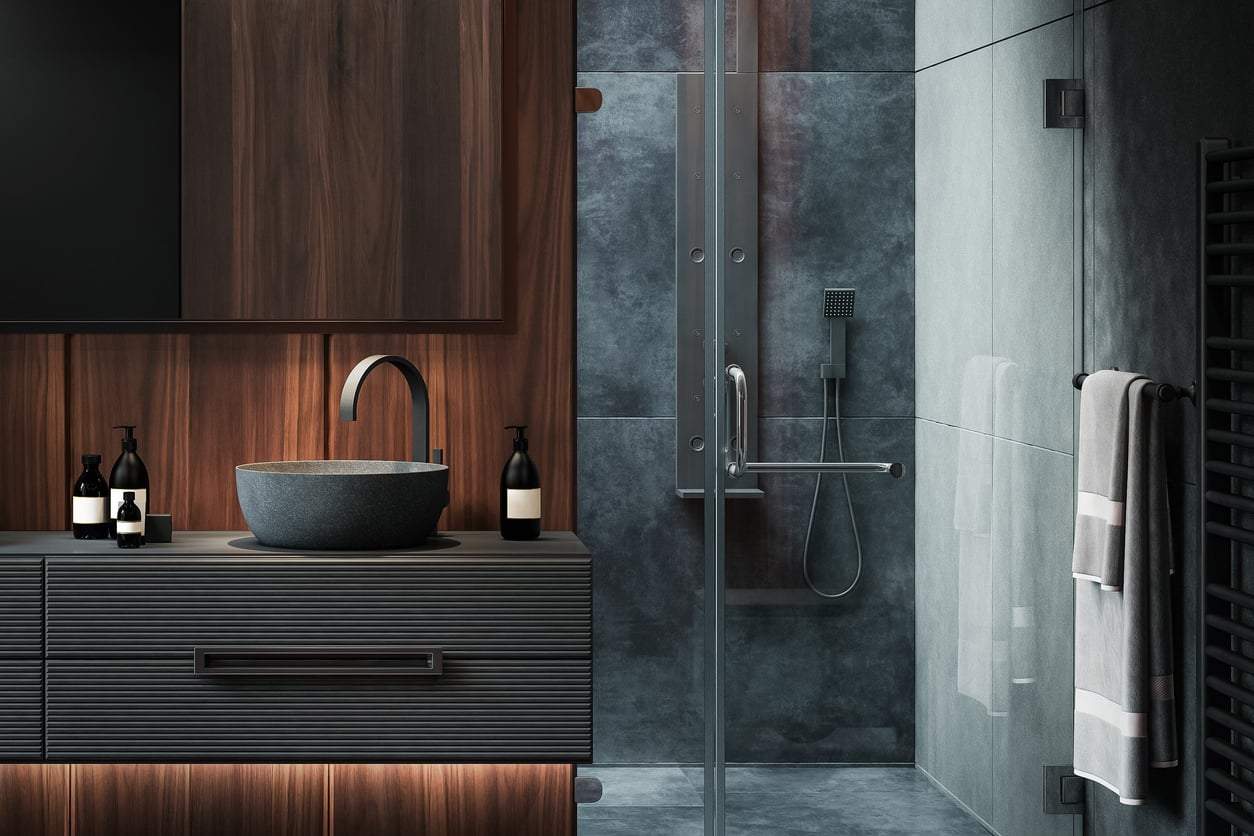
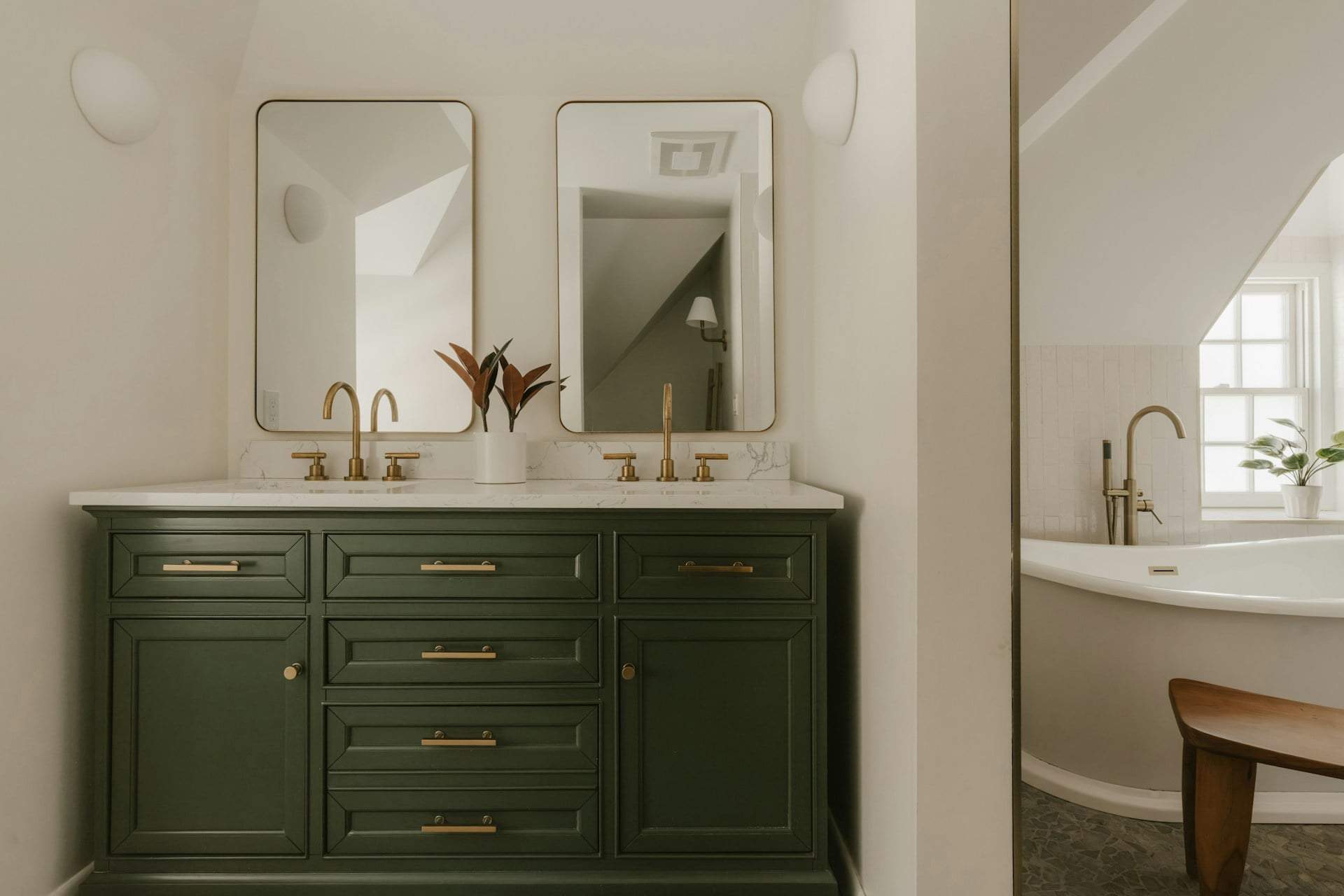
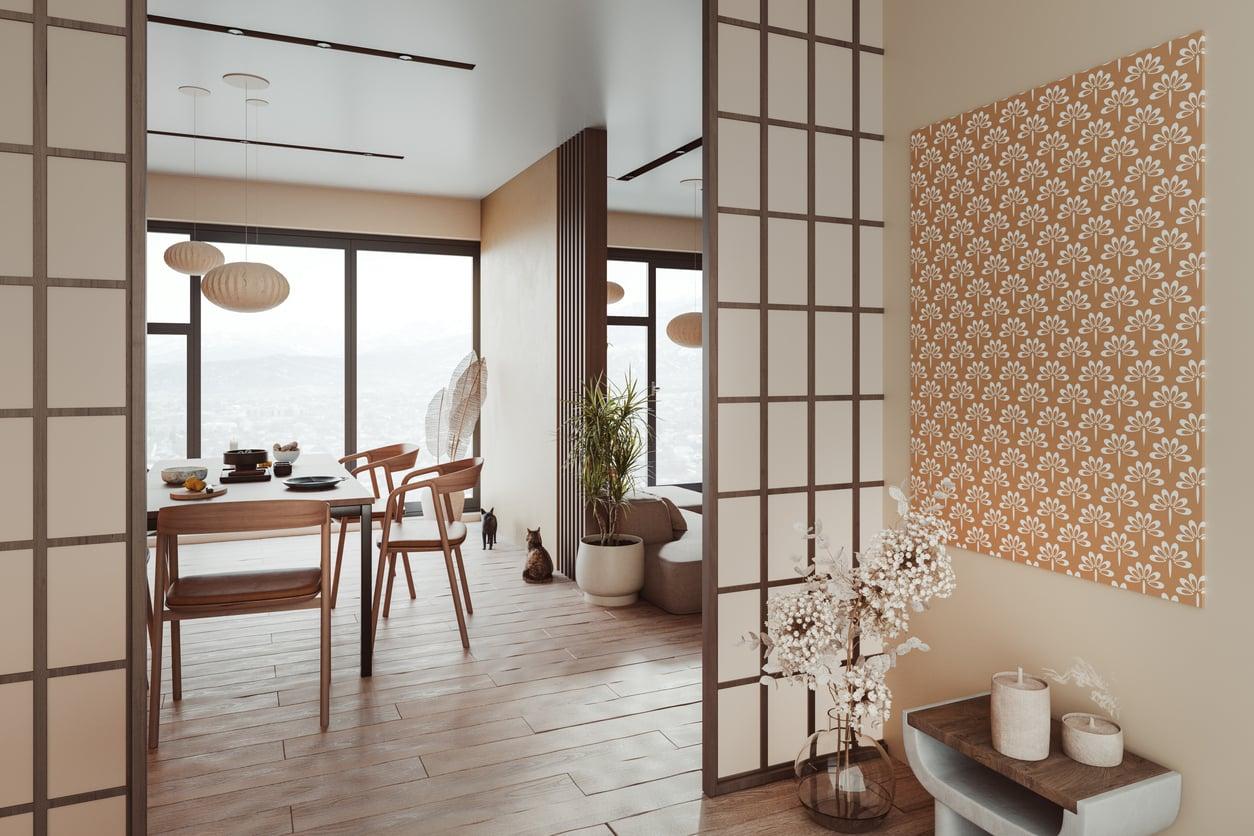
Use natural materials like wood, linen, wool, or bamboo. These bring an organic feel to your space while being durable and timeless. When choosing colors, stick to earth tones and natural shades. Beige, gray, and cream in various hues work beautifully, with touches of dark blue or green to add depth.
Organizing the Space and Creating Harmony
To craft a harmonious space, it’s essential to keep things tidy and organized. Skip excessive decorations and choose a few special pieces that add character. Hang Japanese-style calligraphy or simple, nature-inspired artwork on the walls.
Low-profile furniture and an airy feel perfectly complement Japandi’s goals. Every piece should be functional yet beautiful. Opt for furniture with clean lines made from quality materials.
Plants and Natural Light
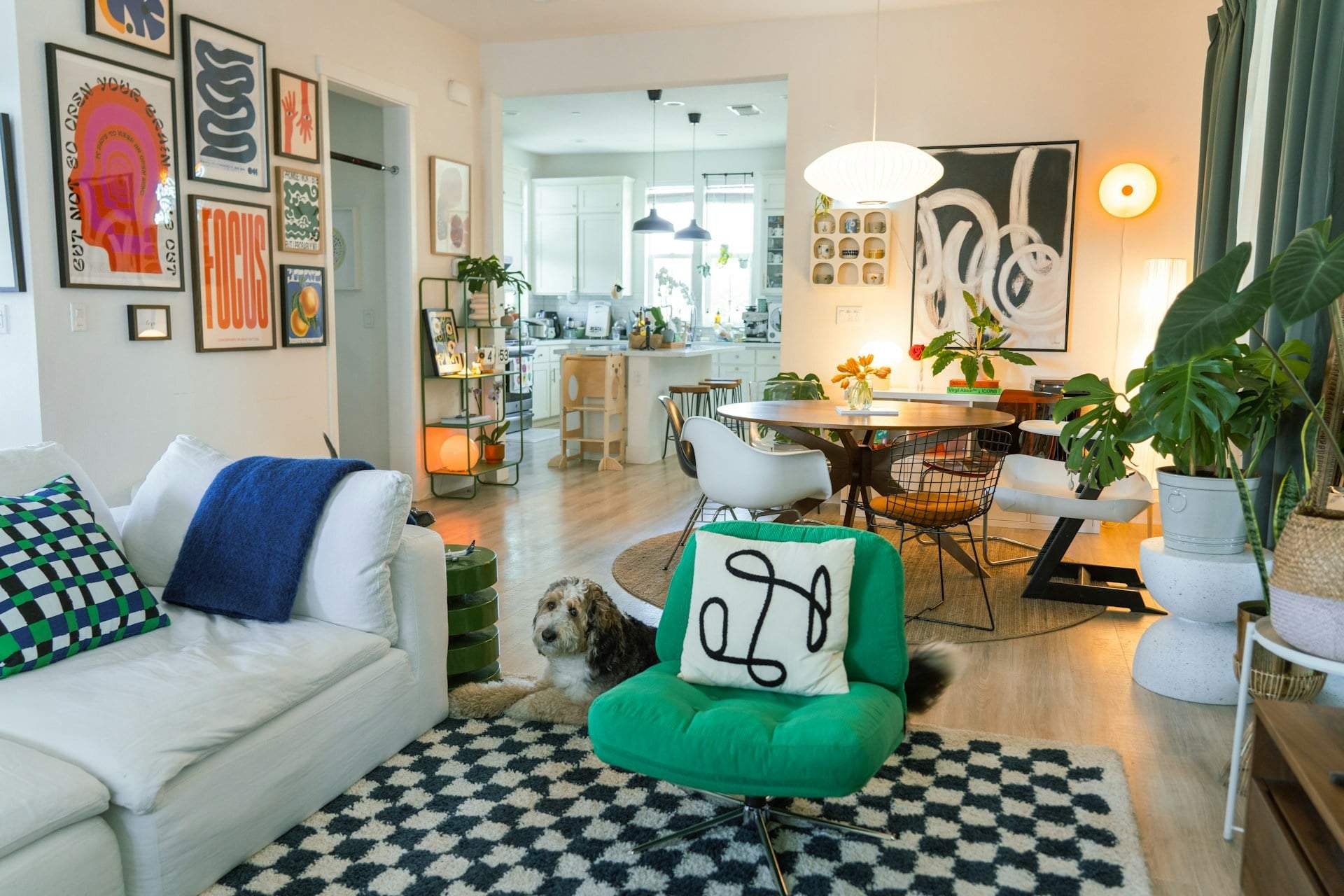
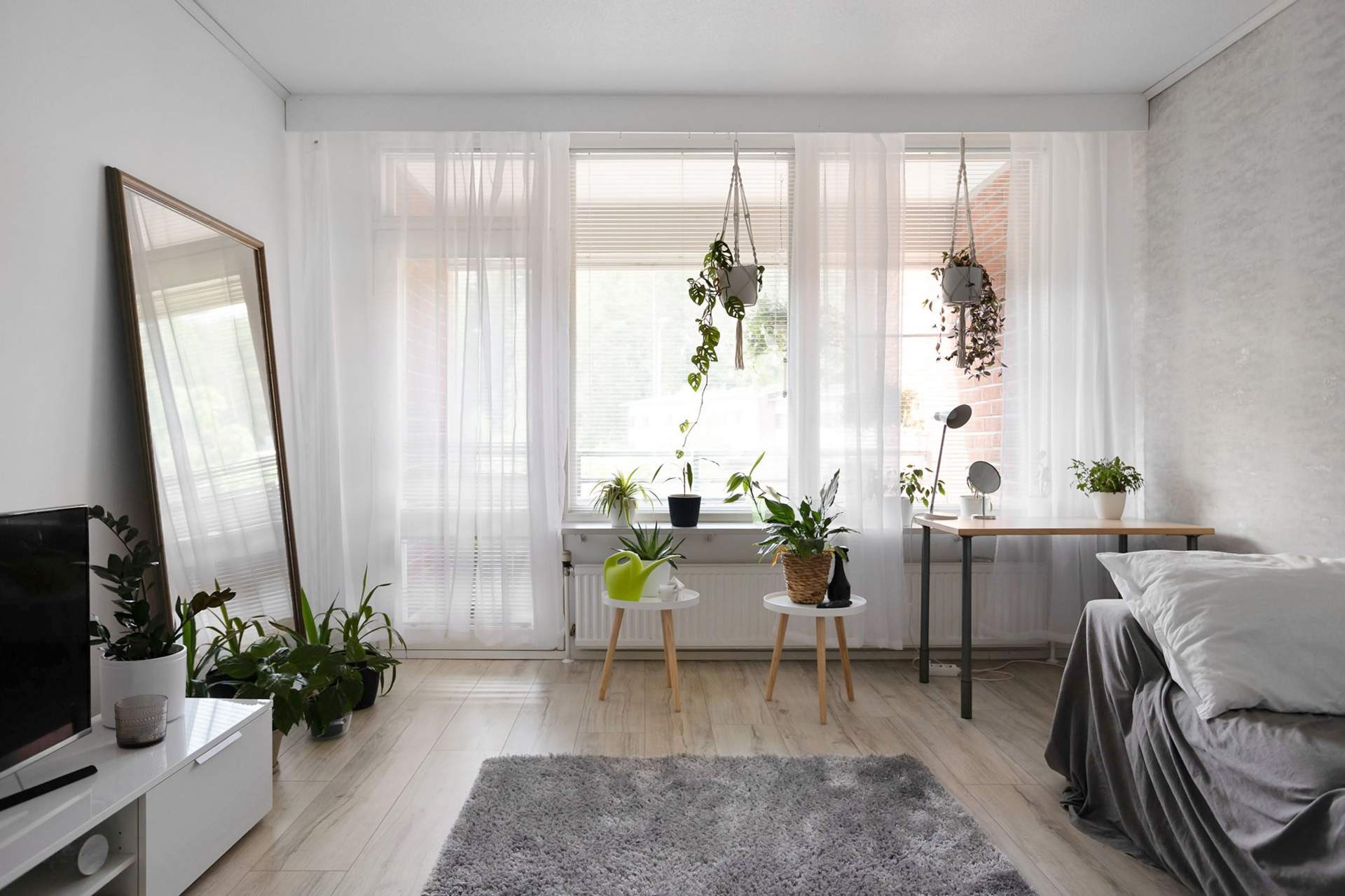
Plants play a key role in Japandi style, bringing freshness and life to your space. Choose easy-care plants like a beautifully arranged bonsai or a taller houseplant to enhance larger rooms.
Also, maximize natural light wherever possible to keep your home bright and inviting. The more natural light you let in, the more spacious and calming your space feels.
The Emotional Benefits of Japandi Style
Japandi is more than just a look—it supports emotional balance. Its simplicity and natural materials can help reduce daily stress and create a sanctuary where you can recharge and escape the noise.
By designing this kind of space, you boost your home’s comfort, spark creativity, and strengthen connections—because a calm environment encourages positive interactions.