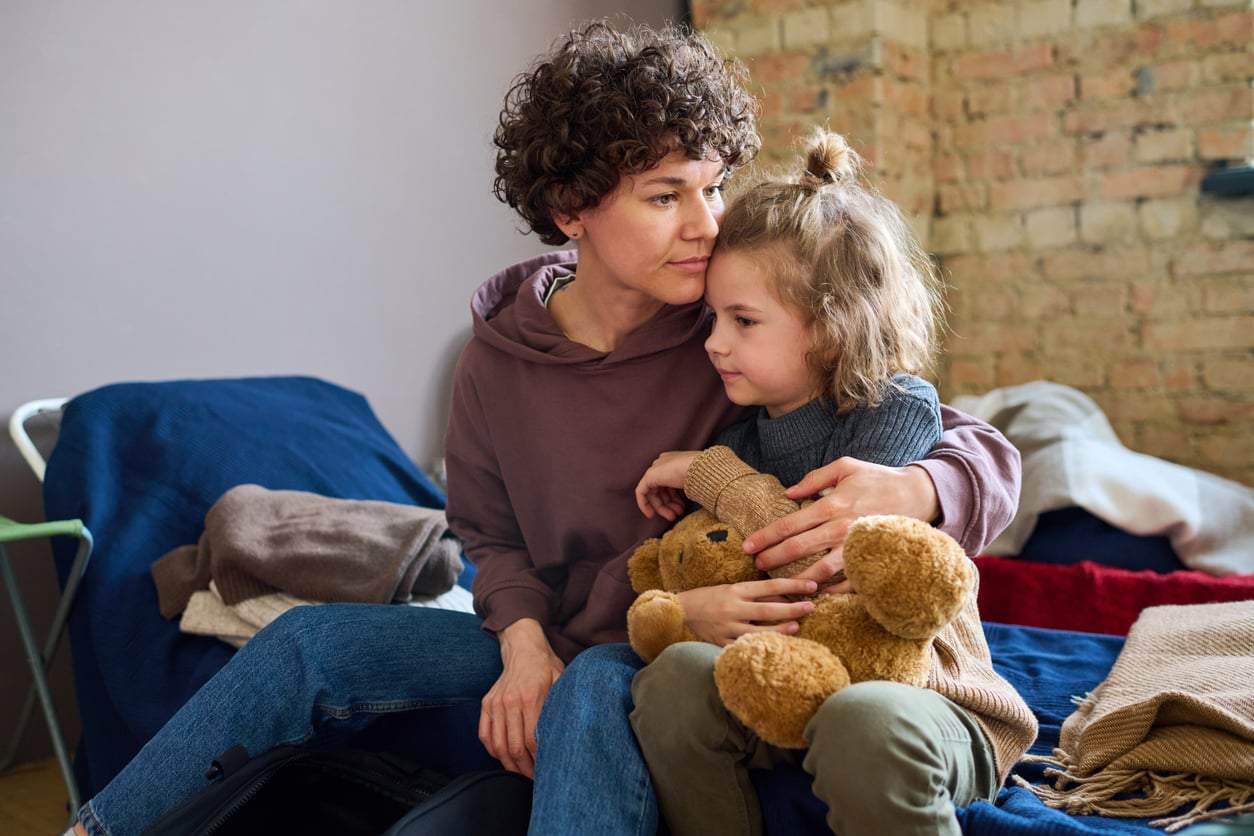
As the holidays draw near, many of us feel it’s "natural" to spend Christmas with our closest family members, even traveling long hours just to be together. Yet, more and more people are choosing not to spend the holidays with their biological family—whether because those relationships are emotionally challenging or because they feel truly at home with a different, chosen family.
When this topic comes up in seemingly innocent conversations before the holidays, many unintentionally respond in ways that hurt those who have chosen a less traditional way to celebrate—often deepening already painful wounds. If you know someone spending the holidays away from family, here are five phrases to avoid—and kinder ways to approach the conversation. After all, isn’t Christmas about understanding and connection?
"But... why aren’t you going to your family? That’s unusual."
This question immediately shakes the other person’s sense of safety by assuming the "normal" way is always to celebrate with family. It’s important to accept that someone might keep distance from their biological family because they don’t feel safe, want to avoid certain patterns, or are protecting their own children. Since we don’t know the full story, and it’s a deeply personal choice, it’s best to give space for sharing without pressuring for explanations.
You could say instead: "If you want to share, I’m here to listen to how you’d like to spend the holidays."
"At least there’s no family drama—so you’re better off, right?"
This phrase probably comes from good intentions and an attempt to lighten the mood with humor. But it minimizes the reasons and feelings behind the other person’s choice. Avoid comments like "at least you don’t have to deal with family drama," as they imply distancing was easy and that those celebrating with family have it harder—while often, stepping away is a painful decision. No matter how complicated family ties are, those with a place to call home are truly fortunate.
A better alternative: "I respect your decision—if you want to talk about it, I’m here."
"But family is what the holiday is all about—won’t they miss you?"
This can create guilt. Even if someone has come to terms with their choice, they often feel like an outsider, and questions like this can deepen that sense of alienation.
Instead, try: "If you feel like sharing, please tell me what would help you feel good during the holidays."
"You’re always welcome here—but have you thought about going home instead?"
This phrase offers an invitation but also suggests that returning to the original family is always the better choice. That can pressure someone who has chosen a different path. If you want to show acceptance, say: "You’re very welcome to join us—but don’t feel obligated; choose what makes you feel good."
"I understand you had a fight, but you’ll make up—just give them one more chance."
This suggests that distancing is only temporary. Experts highlight that stepping away is often the result of long reflection, not just a sudden argument.
Instead, say: "If you ever decide differently, I’m here." This offers support without pressure.
Why Our Words Matter
The holidays can be especially sensitive for those not spending them in the traditional family setting. They often struggle with feelings of isolation, trust, and the fact that their choice isn’t always understood.
Approaching these individuals with empathy and support instead of judgment can empower them to prioritize their mental well-being over social expectations—and that’s truly what the season is about.