Most of us think of flight attendants as the polished, composed faces of in-flight hospitality. And yes, they're there to make your journey comfortable — but behind that calm smile is a trained safety professional managing a highly coordinated operation at 35,000 feet. Some everyday passenger habits make that job significantly harder. Here's what they wish more people knew.
Leaning on the tray table
It's tempting, especially on a long-haul flight, to fold down the tray table and rest your head on it for a nap. Completely understandable — but it causes real damage. Tray tables and their hinges are designed to hold a meal, not the weight of a sleeping adult. Repeated pressure gradually warps the fittings, loosens the hinges, and can eventually snap them entirely.
If you need to sleep, use a travel pillow and recline your seat instead. The tray stays intact, and the next passenger gets a table that actually works.
Drifting into the aisle while you sleep
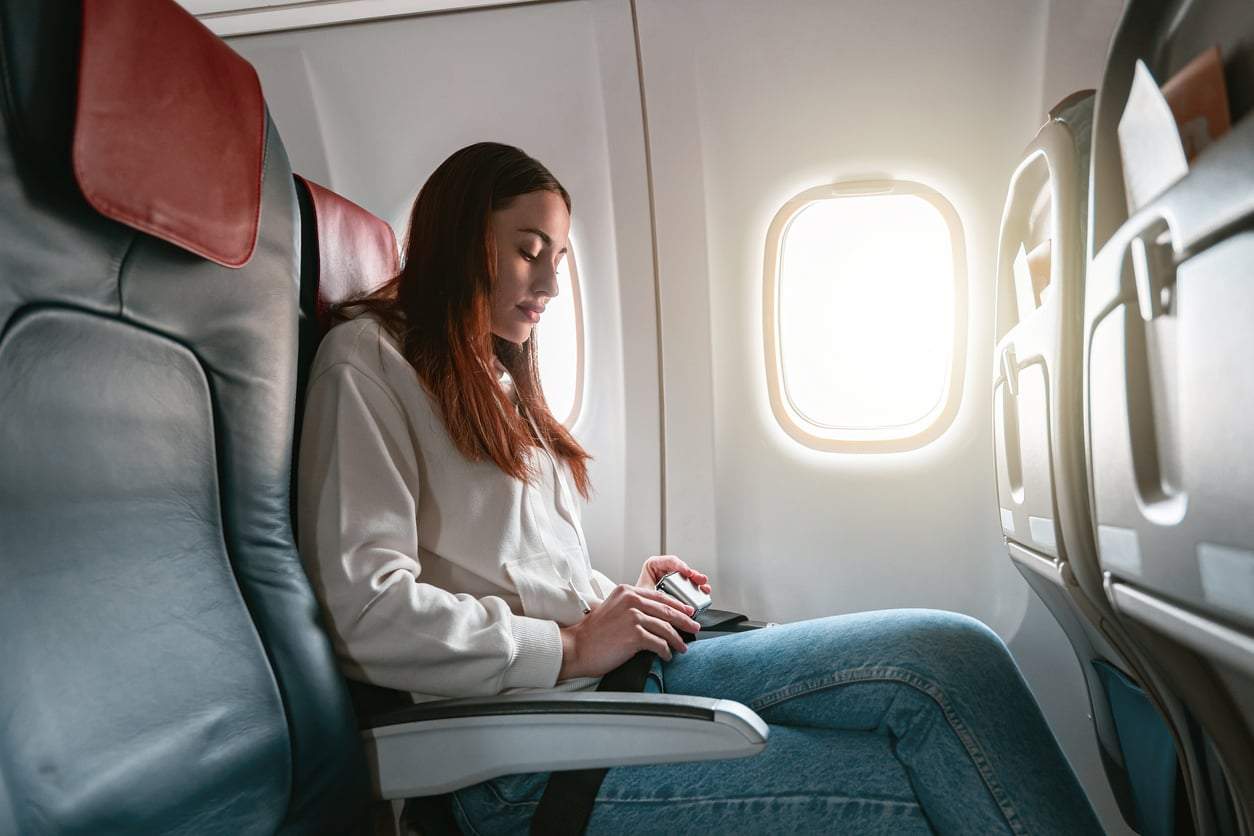
Airplane seats are tight, and it's natural to shift around as you doze off. The problem is that many passengers slowly drift — a leg stretching out, a shoulder tilting sideways — until part of them is blocking the aisle. That narrow corridor is the only path through the cabin, and flight attendants use it constantly, often pushing heavy service carts in low light.
An outstretched foot or a slumped body isn't just an inconvenience — it's a genuine trip hazard, and in a darkened cabin, the risk of injury is real. A small travel blanket or scarf can help you stay in a comfortable position without spilling into the aisle. Try to keep your legs within your own seat space throughout the flight.
Moving through the cabin at exactly the wrong moment
Beverage and meal service on a flight is a precisely timed operation. The crew launches together, moving in sync down the aisle with heavy carts. The moment someone decides to squeeze past the cart to reach the bathroom — or starts rummaging through the overhead bin — the whole sequence breaks down. The crew has to stop, reverse, and wait, which creates a ripple effect all the way to the back of the plane.
This chain reaction means passengers further back wait longer, and the crew loses valuable time they can't easily recover. If you pay attention to the signs that service is about to begin — the crew gathering, the carts being unlocked — and take care of any bathroom trips before the cart starts moving, you'll make a bigger difference than you might expect.
Curious about what else goes on behind the scenes? Flight attendants have shared some surprisingly candid confessions about life onboard.
Lingering near the crew rest area
When you've been sitting for hours, the open space near the lavatories feels like a godsend for a quick stretch. But that same area is often where flight attendants have their jump seats and their only real break space during a long flight. Passengers who gather there to chat, queue for the bathroom, or simply stand and stretch are unknowingly crowding out the crew's minimal private space.
Imagine trying to eat a quick meal during an intense shift while a row of strangers stands next to you, watching. It's an uncomfortable reality for many crew members on busy routes.
A simple habit that helps everyone: check the lavatory indicator light from your seat before you get up. If it shows vacant, then head over. You'll reduce congestion and give the crew the breathing room they rarely get to ask for.
Standing up the moment the wheels touch down
The wheels hit the runway, the brakes roar — and half the cabin immediately unbuckles and reaches for the overhead bins. It happens on almost every flight, and every time, it puts people at genuine risk. A taxiing aircraft can brake suddenly, and an unbelted standing passenger can be thrown.
If the plane is still moving, standing up is dangerous — for you and for everyone around you.
Flight attendants are required to intervene in these moments, which is a task they find deeply uncomfortable. Nobody wants to scold a passenger who's just eager to get home.
Think of those final few minutes as a built-in buffer: stay seated, check your phone, go through your mental checklist. Wait for the seatbelt sign to switch off before you move. The gate isn't going anywhere — and neither is your luggage. Making smart choices throughout the flight pays off right up until the moment you step off the plane.