Menstrual pain affects many women, but there’s a big difference between typical discomfort and a more serious condition. Endometriosis is estimated to impact tens of millions of women worldwide, yet it’s often diagnosed late because its symptoms can easily be mistaken for regular period cramps.
Spring is a great time to tune into your body, as seasonal changes often inspire fresh starts and more mindful living. If you want to take better care of your health, it’s worth knowing the signs that go beyond typical menstrual pain.
What Is Endometriosis?
Endometriosis is a chronic condition where tissue similar to the lining of the uterus grows outside the uterus—on the ovaries, fallopian tubes, or other pelvic areas. This tissue responds to hormonal cycles just like the uterine lining: it thickens and then breaks down.
The difference is that while the uterine lining naturally exits the body, the tissue outside the uterus can cause inflammation, pain, adhesions, and scarring.
1. Pain That Disrupts Daily Life
Health experts highlight several symptoms that may point to endometriosis. Let’s start with intense pain. Mild cramps during your period are normal as the uterus contracts to shed its lining.
But if the pain is so severe that it interferes with work, school, or everyday activities, that’s a red flag. Gynecologist Dr. Asima Ahmad emphasizes that periods shouldn’t cause pain that makes normal life impossible.
If pain regularly forces you to miss out, it’s time to get checked.

2. Pelvic Pain Outside Your Period
One hallmark of endometriosis is that pain isn’t limited to your period. It can occur during ovulation, bowel movements, or urination.
This pain often feels different from menstrual cramps: sharp, stabbing, burning, or throbbing, and it may radiate to your back, abdomen, or legs.
Pelvic pain that happens independently of your cycle is an important signal from your body.
3. Pain During Sex
Pain during sex—known medically as dyspareunia—can have many causes, including hormonal changes, vaginal dryness, or other gynecological issues.
But recurring pain is a warning sign. Fertility expert Dr. Albert Hsu stresses the importance of noting the type of pain (sharp, dull, pressure) and when it occurs—such as during penetration or certain times in your cycle.
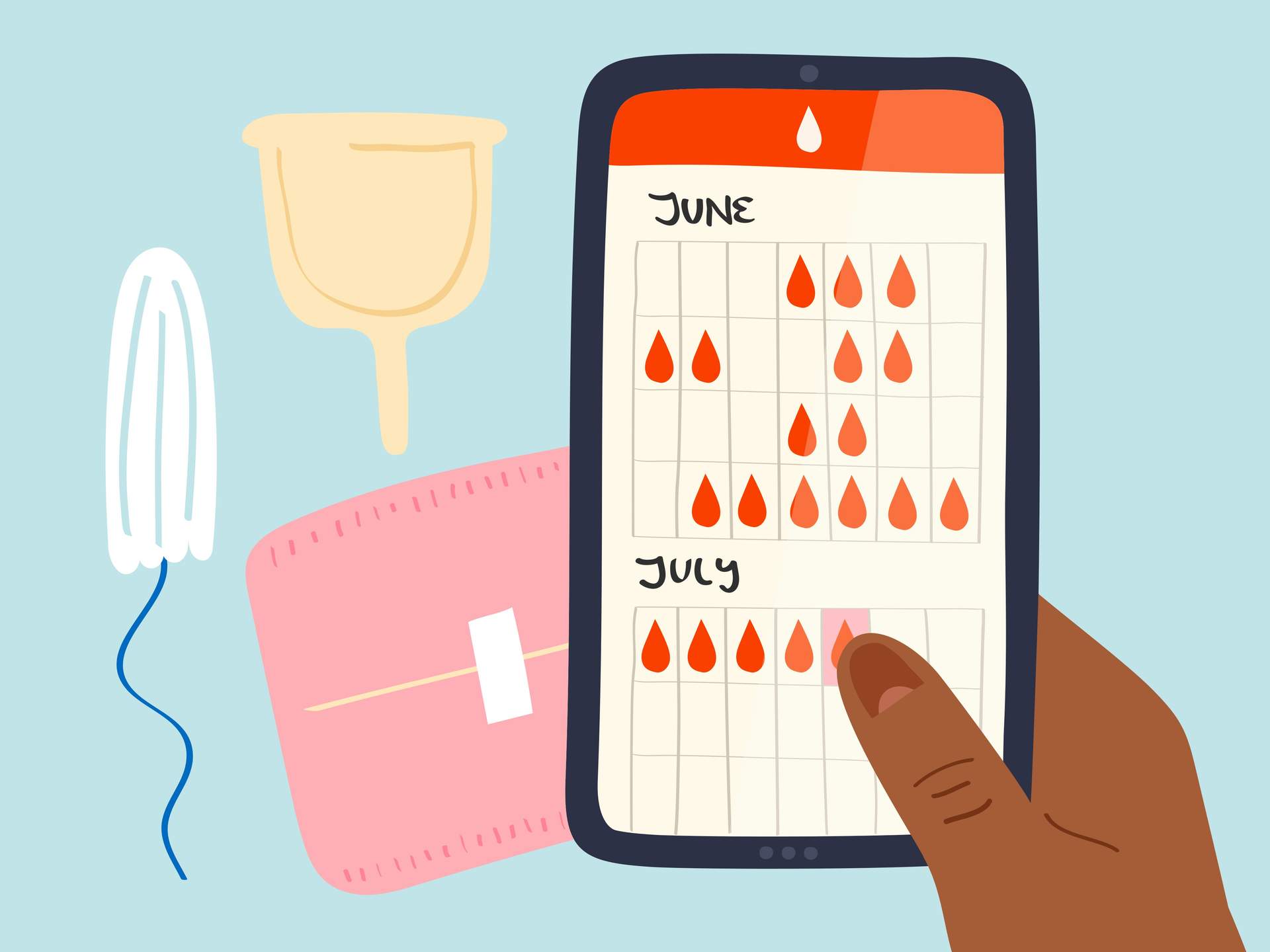
Careful tracking helps your doctor make an accurate diagnosis.
4. Difficulty Getting Pregnant
Endometriosis can affect fertility. Infertility is defined as not conceiving after 12 months of regular, unprotected attempts.
Experts say endometriosis can impact conception in several ways: damaging eggs, affecting fallopian tubes, or altering pelvic anatomy.
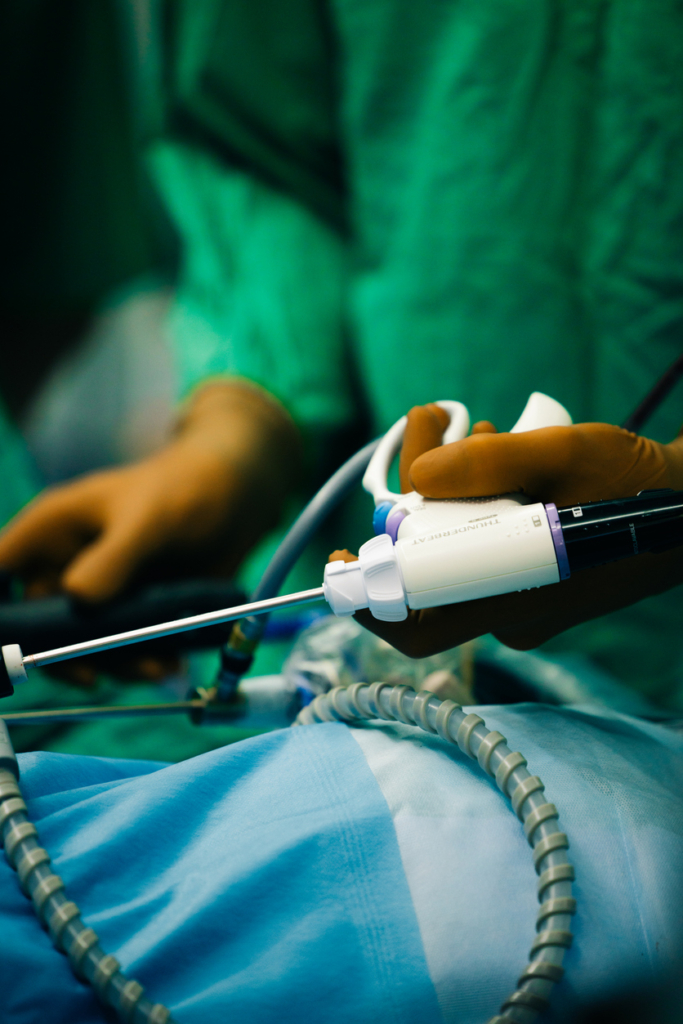
Often, endometriosis remains hidden for years and may only be diagnosed through a laparoscopic procedure.
5. Chronic Fatigue and Exhaustion
Chronic fatigue isn’t always highlighted as a symptom of endometriosis, but many affected women report it.
Ongoing pain, sleep disturbances, and stress from fertility struggles can all contribute to exhaustion. Some studies also suggest endometriosis may be linked to persistent fatigue.
So, low daily energy might not just be lifestyle-related—it could signal an underlying health issue.
When to See a Doctor
If your menstrual pain:
- is regularly severe and disrupts daily life,
- occurs outside your period,
- causes pain during sex,
- is linked to fertility challenges,
- or comes with persistent fatigue, it’s wise to consult a gynecologist.
Currently, a definitive diagnosis usually requires laparoscopy and tissue analysis, but treatment can begin as soon as endometriosis is suspected. Options include hormonal therapies, pain management, and, in more severe cases, surgery.
Endometriosis is a complex and often late-diagnosed condition that can deeply affect quality of life.
But if you recognize the warning signs early, you can take action and improve your health with the right medical support.
Of course, not all severe menstrual pain is caused by endometriosis—other gynecological or hormonal issues might be involved. Your body’s signals matter, so pay attention, especially if you notice stronger or unusual symptoms.