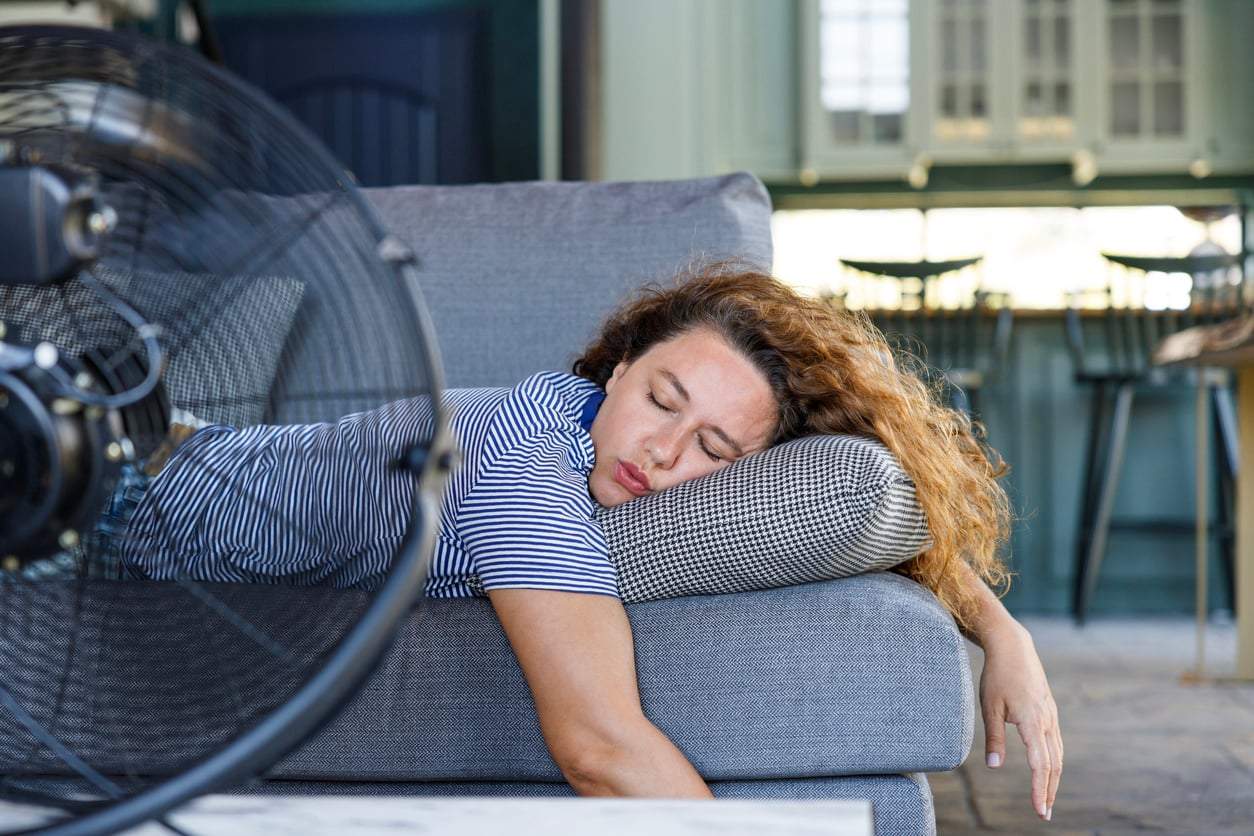
You feel most alive after 10 p.m. Mornings are a struggle, and your best ideas seem to arrive at midnight. Being a night owl feels natural — but a large new study suggests it may come with a serious health trade-off, particularly when it comes to your heart.
What your chronotype actually means
Your chronotype is simply your body's natural preference for when to be active and when to rest. Some people are early risers, some are night owls, and many fall somewhere in between. According to Dr. Sina Kianersi, who led the research, this is largely driven by your internal biological clock — not laziness or bad habits.
But the study, which analyzed data from more than 322,000 British adults, found that evening types consistently showed a higher rate of lifestyle risk factors linked to cardiovascular disease. The findings were reported by CNN Health and have caught the attention of sleep and cardiology experts alike.
The risk is especially high for women
One of the most striking findings was how strongly the pattern held for middle-aged and older women. Evening types in this group were nearly 79% more likely to have poor overall cardiovascular health compared to those who follow a more typical daily rhythm.
Over a nearly 14-year follow-up period, night owls were 16% more likely to develop heart disease — including heart attack or stroke — than their earlier-rising counterparts.
These aren't just abstract statistics. Behind them are real, everyday patterns that tend to cluster around a late-night lifestyle:
- Irregular eating habits and late-night snacking
- Less physical activity overall
- Poorer sleep quality and duration
- Higher rates of smoking
It's not just about when you sleep — it's about rhythm
Neurologist Dr. Sabra Abbott points out that an evening lifestyle often goes hand in hand with a disrupted daily routine. When sleep, meals, and even light exposure become unpredictable, the body has to work harder to compensate — and over time, that strain adds up.
The body thrives on consistency. When your internal clock is constantly out of sync with the world around you, the effects ripple through your metabolism, your hormones, and yes — your heart.
The good news: you're not destined for heart disease
Here's what's important to hold onto: being a night owl does not automatically mean you'll develop heart disease. Sleep researcher Dr. Kristen Knutson is clear on this point — your chronotype is a risk factor to be aware of, not a sentence.
The real power lies in focusing on the parts of your lifestyle you can control. Small, consistent changes make a meaningful difference, even if you never become a morning person.
What you can actually do to protect your heart
You don't need to rewire your entire personality. Experts suggest these practical steps — all of which work with a night owl schedule, not against it:
- Keep a consistent sleep schedule. It's less about when you go to bed and more about going to bed at the same time every night. Regularity matters more than the hour.
- Get morning light when you can. Even a few minutes of natural daylight in the morning helps stabilize your internal clock, even if you're not a natural early riser.
- Move your body regularly. An evening walk or a light workout counts. Regular physical activity is one of the most powerful things you can do for your heart, regardless of timing.
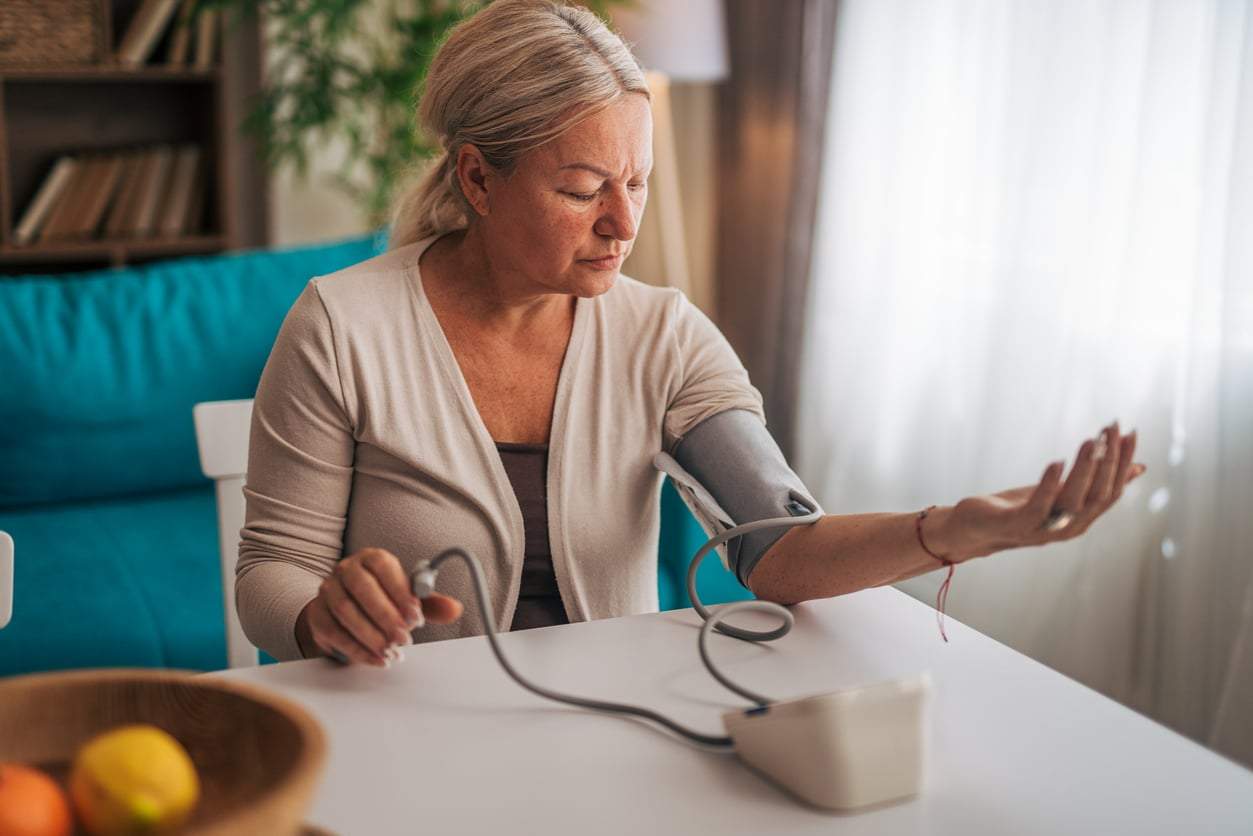
- Don't neglect the basics. A balanced diet, maintaining a healthy weight, and keeping tabs on your blood pressure, cholesterol, and blood sugar are all non-negotiables for long-term heart health.
- If you smoke, now is the time to stop. This single change may be the most impactful step a night owl can take for their cardiovascular health.
You don't have to change who you are
Being a night owl isn't a flaw — it's simply how some people are wired. The real challenge is learning how to live well within a world that's largely built for early birds.
A little more consistency, some intentional habits, and a closer eye on the lifestyle factors within your control can go a long way. Your chronotype doesn't have to define your health outcomes — but ignoring the research won't do your heart any favors either.