Raising a preteen can truly feel like riding a rollercoaster: one moment everything is calm and peaceful, the next you’re facing sharp turns, sudden drops, and surprises.
As we speed along, screaming, there’s always that thought buzzing in our minds: how can we help our preteens not lose themselves in this chaotic, change-filled period, but instead gradually discover who they really are?
I believe a parent’s role isn’t to clear every obstacle from their path—that’s impossible and wouldn’t help their growth. Instead, our goal is to create a safe space where kids can try things out, make mistakes, and learn how to get back up. The most important thing is for them to know there’s always a place to return to, no matter what choices they’ve made. That steady support gives them the courage to find their own way.
Open Conversations Matter—It’s More Than Just "How Was School?"
From experience, asking "How was school today?" rarely sparks a meaningful answer. So I try to ask open-ended questions like, "What was the toughest part of your test today?" or "Did you have any conflicts with friends? How did you handle them?"
These questions lead to deeper talks where I get to understand my daughter’s thinking better, and she learns to express herself. Sometimes it’s tough as a mom to hear honest answers, but that’s exactly what builds trust between us and helps her talk openly about her feelings and experiences. Open questions don’t just improve communication—they teach kids that their thoughts and emotions matter every day. This foundation helps them confidently own who they are and what they believe in later on!
Empathizing with Outer Changes Is Key
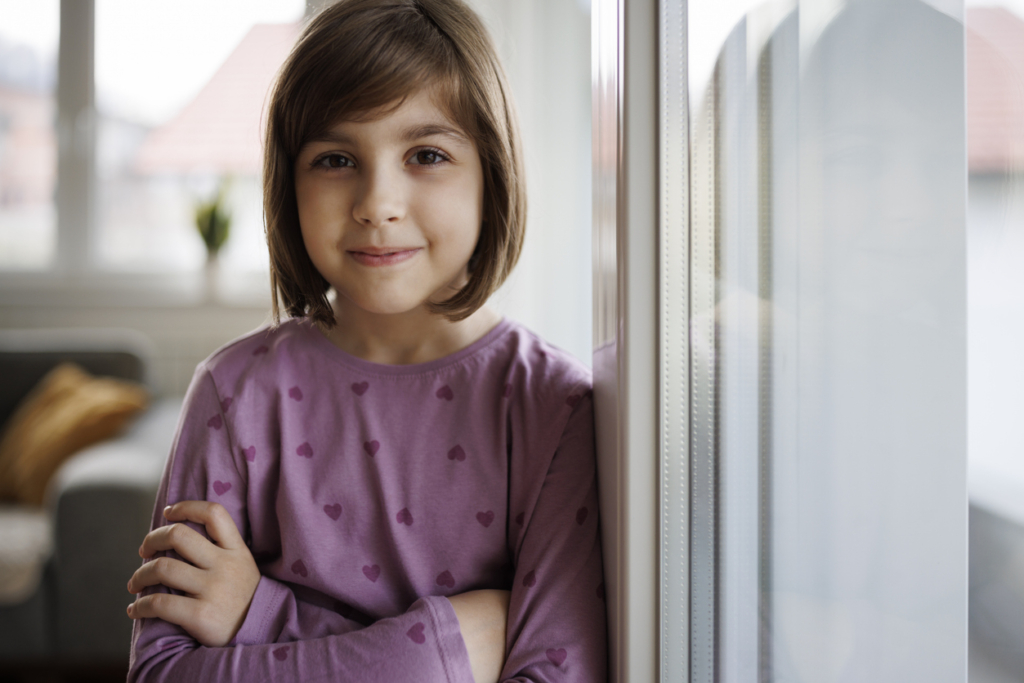
I’ve noticed preteens often compete with themselves—and even more with others—while being their own harshest critics. My daughter started comparing her looks to others, sometimes even to me. I always remind her this isn’t a competition, especially not between us. Beauty is so subjective; often we can’t even explain why someone attracts us.
Alongside these self-critical moments, parental feedback is crucial. It’s not about telling them "you’re the prettiest," but helping them learn their worth comes from who they are, not how they look. Our appearance constantly changes, so it can’t be the foundation for lasting confidence!
Balancing Challenges with Strengths
My daughter is a natural leader and always wants to have the last word. That’s why I focus a lot on teaching her to respect compromises and boundaries. I show her that giving others space doesn’t weaken her; it often helps her move forward and reach bigger goals.
At the same time, I make sure she gets positive feedback about her strengths. At this age, it’s vital to highlight their talents alongside facing limits. This way, kids learn it’s okay to make mistakes or feel vulnerable because they have valuable qualities now and always will.
Belonging to a Team: Self-Discovery Through Movement
Like every year, I encouraged my daughter to join a club focused on sports or movement. When she started dance classes again, I was happy—she gets to adapt to others while expressing herself. She has to pay attention to her teammates, patiently wait for those who progress slower, and still show her unique personality.
Moving together and teamwork create one of the best environments for self-awareness. Kids truly experience being part of something bigger and learn how important their contribution is—this is a key moment in building their identity.
Accessible Trust in the Background
Since she was little, I’ve let her try things independently—even if it scared the whole family sometimes. That hasn’t changed, but now she has more responsibility than when she was two or three. She often makes her own dinner, takes charge of leaving on time in the morning, and makes sure to write down and bring home all her homework.
Still, I see that I often trust her and her abilities more than she trusts herself. That’s why I try to step back more and give her space to practice. I believe the trust we give our kids becomes their inner strength over time. They learn they can handle situations on their own and that it’s okay to make mistakes because there’s always someone to support them.
The journey of self-discovery is never short or comfortable—and there’s no point where we can just lean back and say, "I know myself now." Just like us adults, our kids will always keep changing and learning about themselves.
As parents, the greatest gift isn’t smoothing every twist and turn but lending strength and courage from the sidelines so they can keep trying again and again. Because the most important realization they’ll have is this: they can do it!