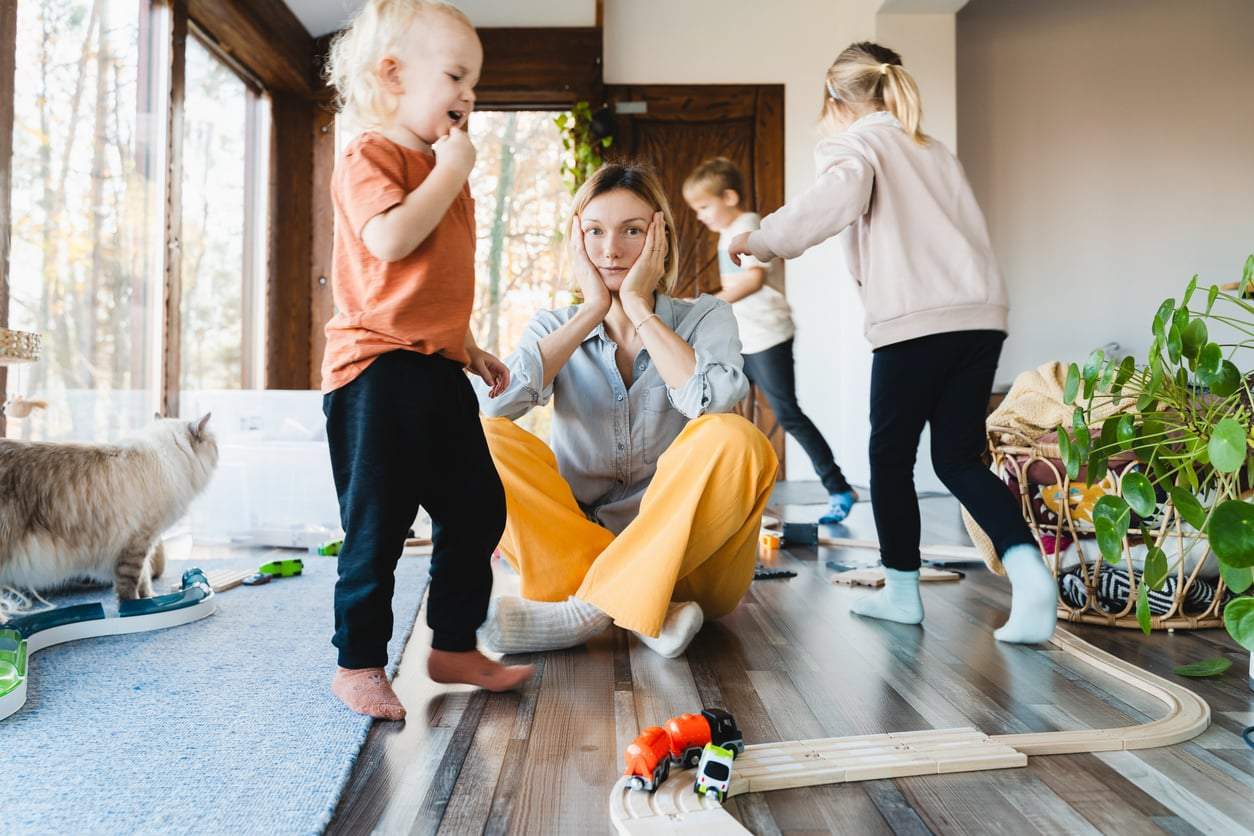
I know that suffocating feeling all too well — when your thoughts spiral out of control and the noise inside your head just keeps getting louder. But over time, I've found a handful of habits that genuinely help me step back from the edge. None of them are complicated. All of them work.
The quiet power of your breath
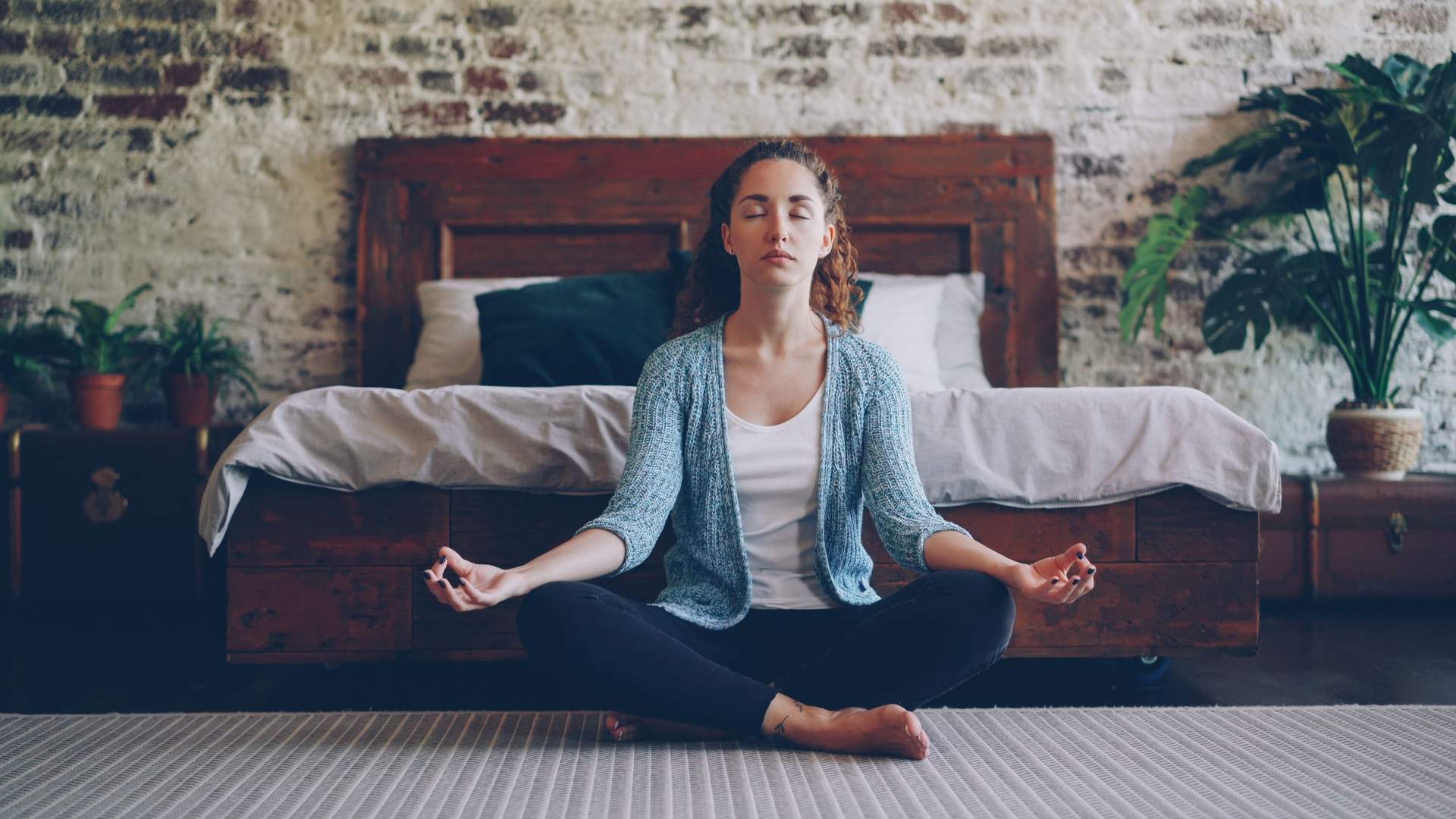
We've all heard it: "Just take a deep breath." It sounds almost too simple — but there's real science behind it. When stress starts to take hold, I stop whatever I'm doing and let a slow, deep breath move through me. The real secret is in the exhale. A long, unhurried out-breath signals your nervous system that you're safe, that the threat has passed, and that it's okay to let go of that invisible tension you've been holding.
Try it now — breathe in slowly through your nose, then exhale for twice as long. Feel the difference.
Releasing the tension your body is hiding
It's remarkable how a clenched jaw and raised shoulders can start to feel completely normal — as if you're always braced for impact. I catch myself sitting at my desk like I'm ready for a fight I didn't sign up for. That's why, whenever stress creeps in, I do a quick body scan: I drop my shoulders, soften my belly, and check where I'm still holding tension.
Try this one small thing: let your jaw drop slightly and part your lips just a little. You'll feel the release almost instantly. It sounds almost too easy — but that's exactly the point.
If you've ever noticed how often stress lives in your jaw, you're not alone — a clenched jaw is one of the most common signs of chronic overload.
Turn your attention outward
When anxiety pulls me deep into my own head, I can hear nothing but my own heartbeat and the darkest corners of my thoughts. The most effective thing I've found in those moments is to radically shift my attention outward.
I start listening — really listening — to what's around me: the distant hum of traffic, birds outside the window, the quiet buzz of the refrigerator. I notice the temperature on my skin, the texture of whatever I'm touching, the faint smells in the air. As I tune in to the world outside, the internal monologue begins to quiet down.
This shift does something powerful: it breaks the isolation that stress builds around us and reconnects us to the present moment — and to the people in it.
Walk your way back to yourself
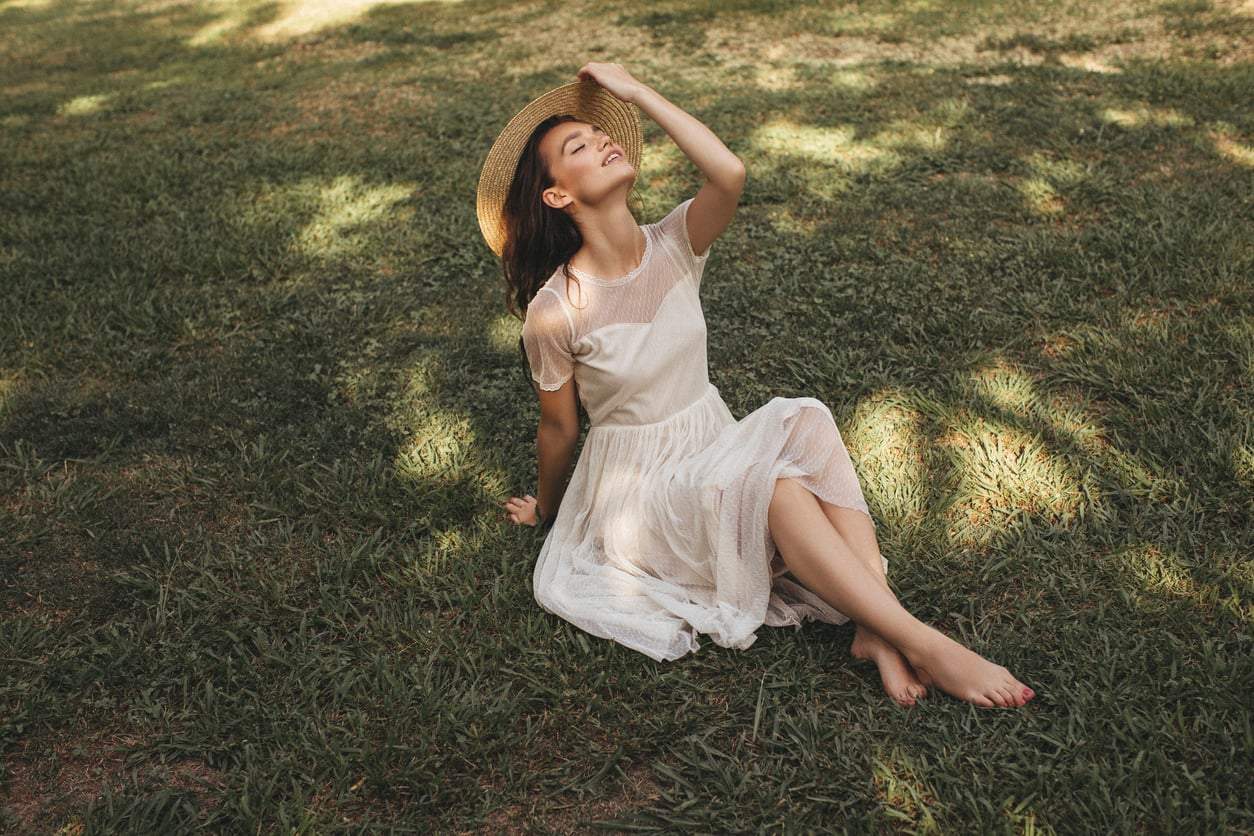
For me, a walk is the fastest exit from the prison of my own thoughts — especially when I can head toward something green. Even a few minutes outside does wonders. I slow my pace, feel each step as my foot meets the ground, and let my eyes rest on small details I'd normally rush past.
The rhythm of movement combined with fresh air is one of the most well-documented stress relievers there is. It gently returns you to a state where you — not your thoughts — are in charge of the moment.
Shift your emotional lens
This might be my favorite habit of all. In the middle of a difficult moment, I ask myself one question:
What's something interesting, worth learning from, or even quietly funny about this situation?
When I manage to find even a tiny thread of beauty or absurdity in the chaos, everything shifts. This kind of curiosity is a form of emotional alchemy — it transforms anxiety into something far more bearable. When you actively look for small moments of joy, fear simply has less room to breathe.
Lose yourself in another world
Books have always been my emotional refuge — a place where I can step out of my own story and into someone else's. There have been times when I filled every spare moment with a good book just to give myself a little breathing room while working through something hard.
Reading puts the mind into a creative, absorbed state that's simply incompatible with anxiety. It doesn't solve the problem — but it turns the volume down just enough to help you keep going.
Life's storms will find all of us, and we don't always have to "survive" them perfectly. But it helps to have a few tools in your pocket — quiet reminders that even the hardest moments are still just moments, and there's always another direction you can choose to move in.