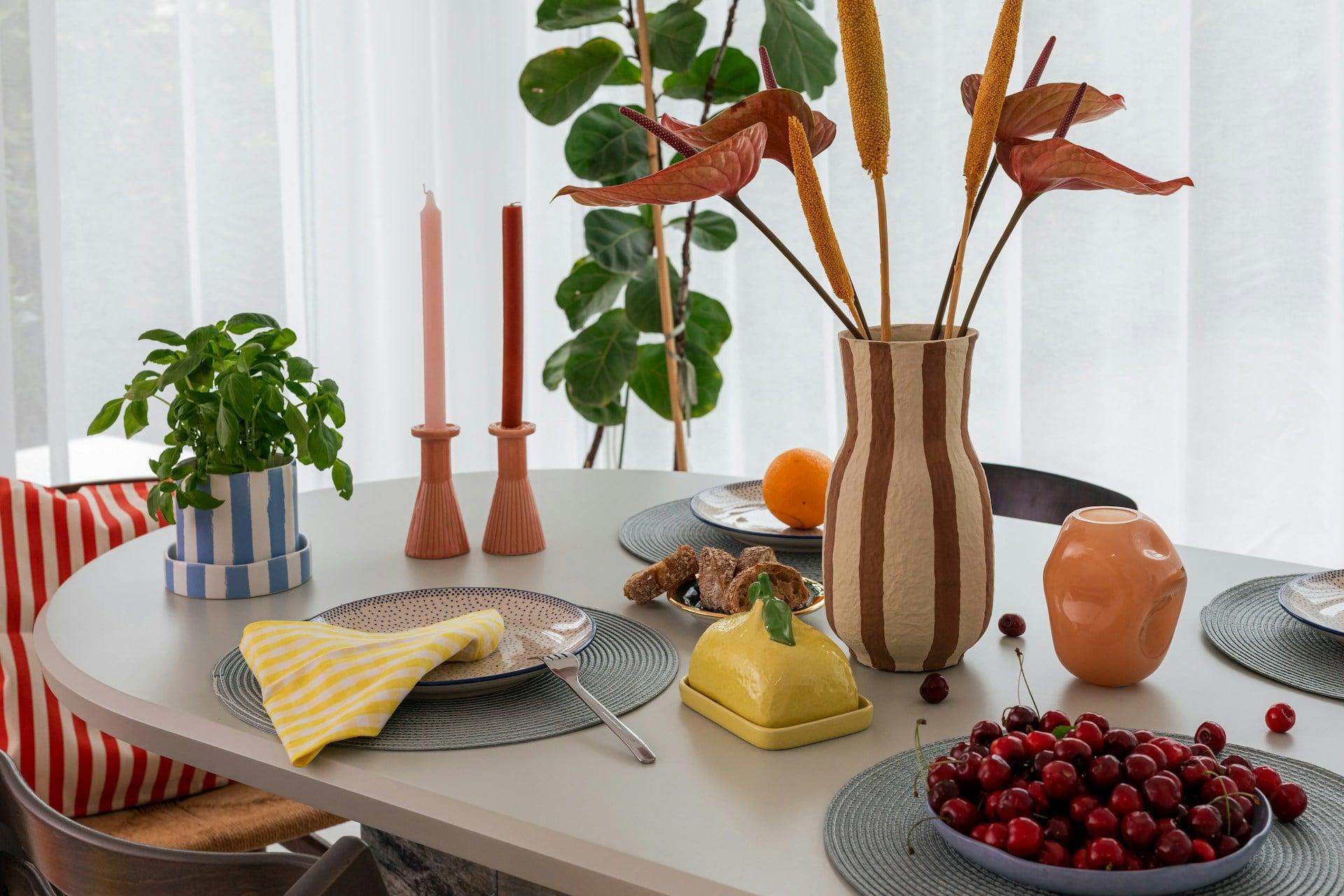
Interior design has always evolved — but in 2026, something feels different. It's no longer about chasing the latest trends. It's about breaking the old rules that were never really working for you anyway. Here are seven decorating "rules" that more and more people are happily ignoring — and why you might want to do the same.
White walls are no longer the safe choice
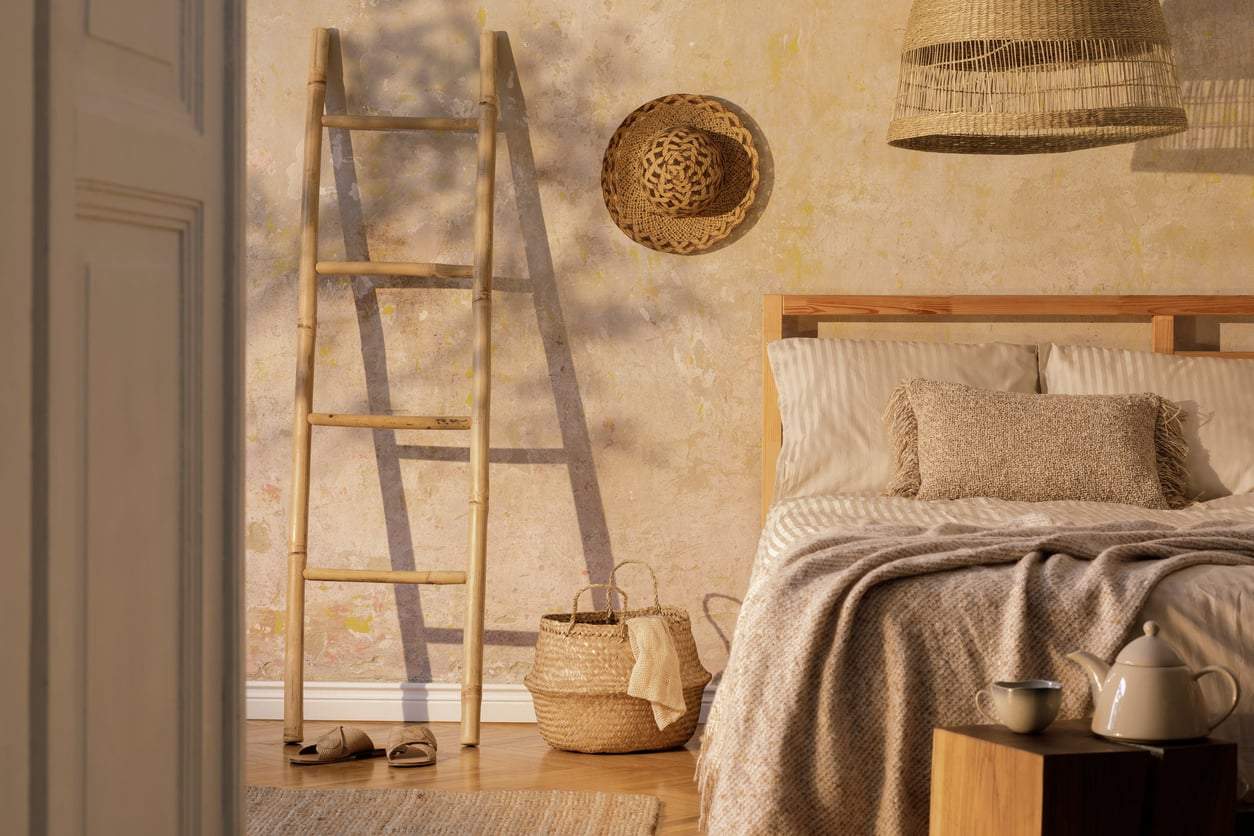
For years, white walls were treated as the universal answer to any decorating dilemma. Neutral, clean, safe. But safe doesn't mean inspiring. More homeowners are now reaching for deep terracottas, moody greens, and warm earthy tones — and the results speak for themselves.
Color creates atmosphere in a way that white simply can't. In 2026, bold wall colors are one of the strongest expressions of personal style. If you've been holding back, this is your sign to finally pick up that paint swatch.
Open shelving isn't a design mistake
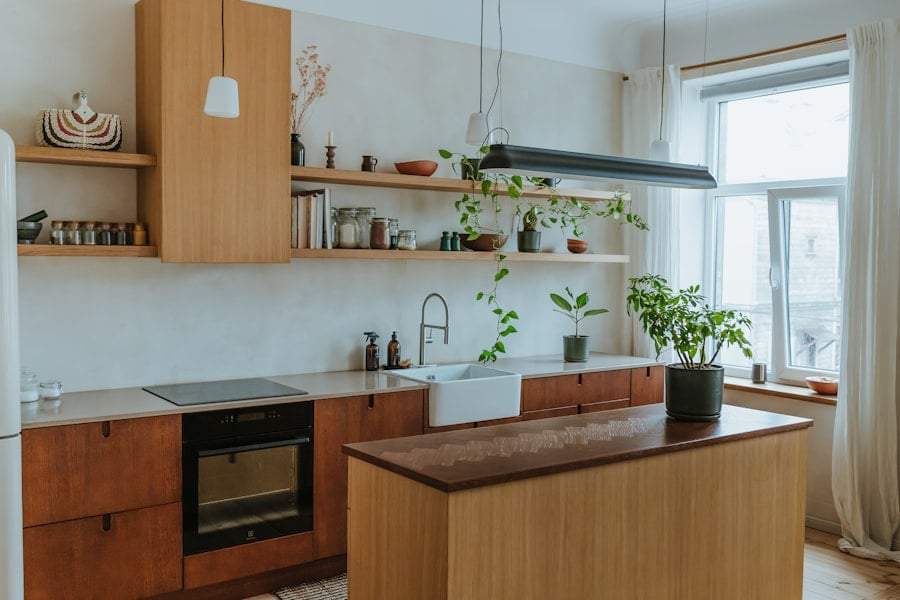
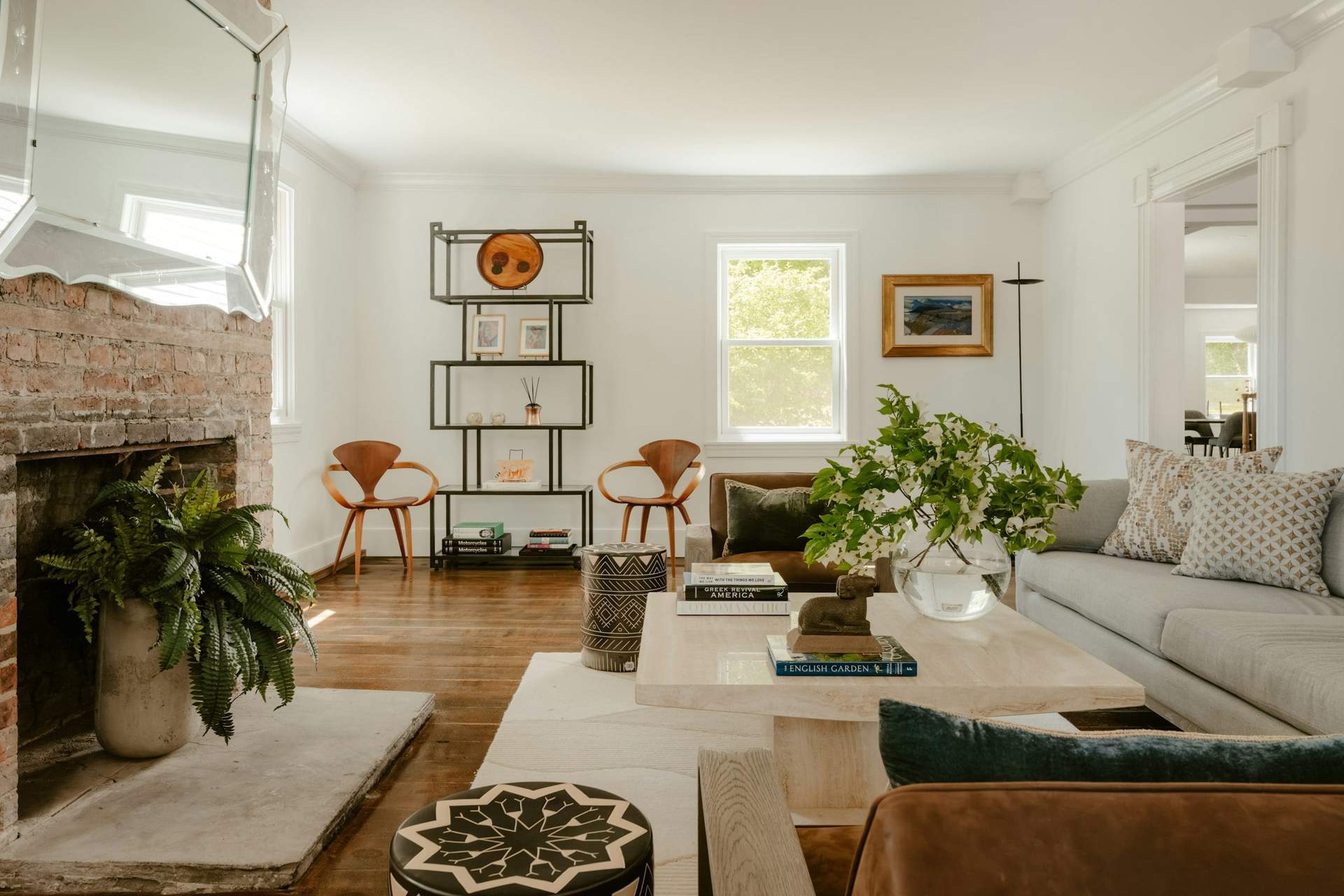
Open shelves got a bad reputation for looking cluttered — but that narrative is changing. When styled with intention, open shelving adds warmth, personality, and a sense of lived-in charm that closed cabinets can never quite replicate.
The shift is about embracing your home as a real, living space rather than a showroom. A few meaningful objects on a shelf tell a story. That's not mess — that's character.
Let the light in — lose the heavy drapes
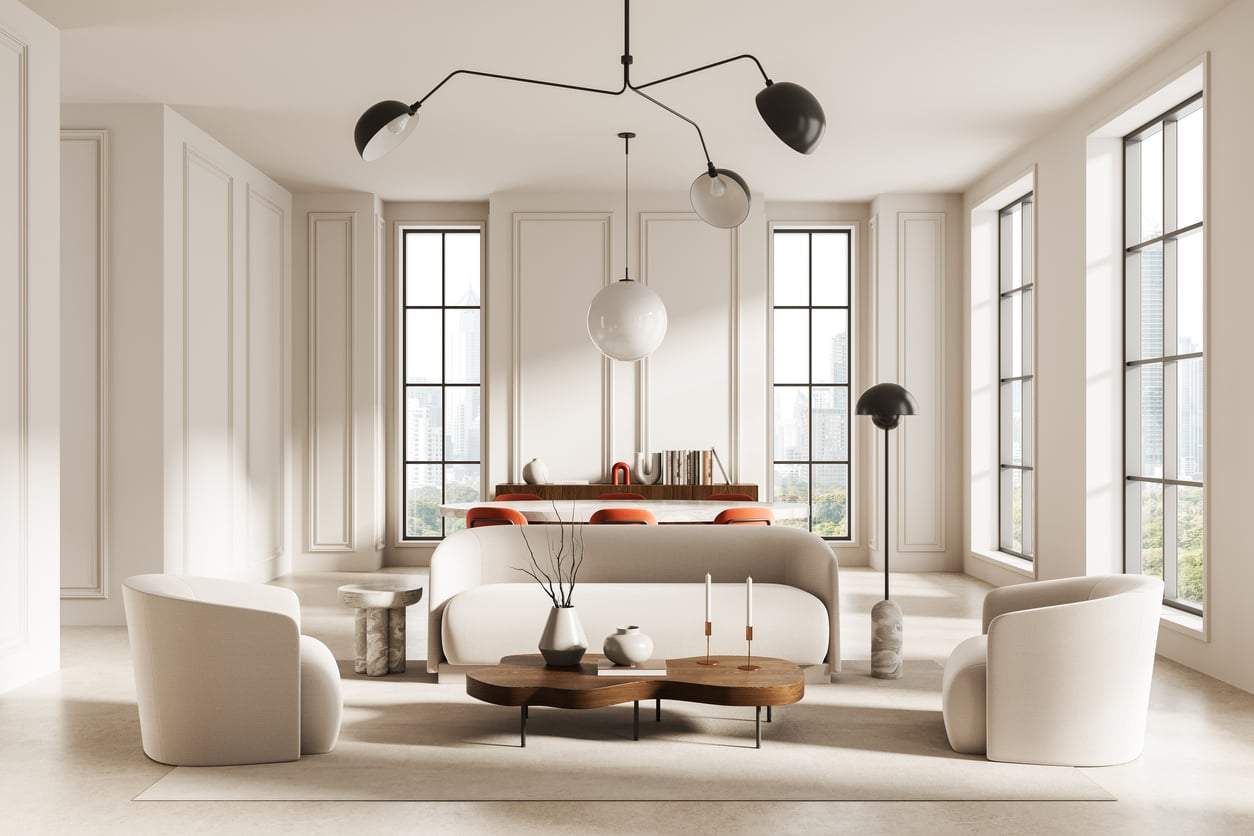
Heavy, formal curtains are quietly disappearing from modern interiors. Natural light has taken center stage, and furniture arrangements are increasingly being designed around windows rather than away from them.
Lighter, airier rooms don't just look better — they genuinely feel better. More natural light means less stress, more energy, and a space that feels open and alive. If your curtains are blocking the sun, it might be time to reconsider them.
Local plants over exotic ones
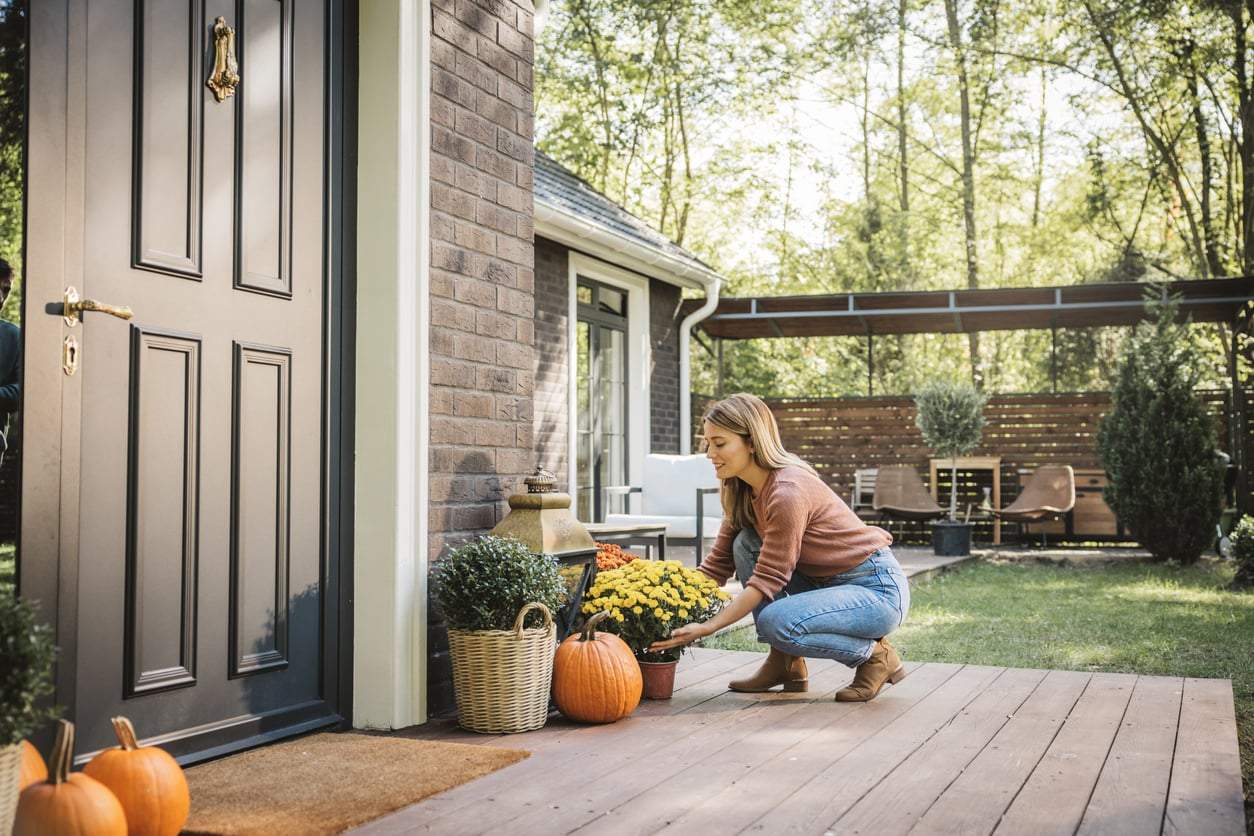
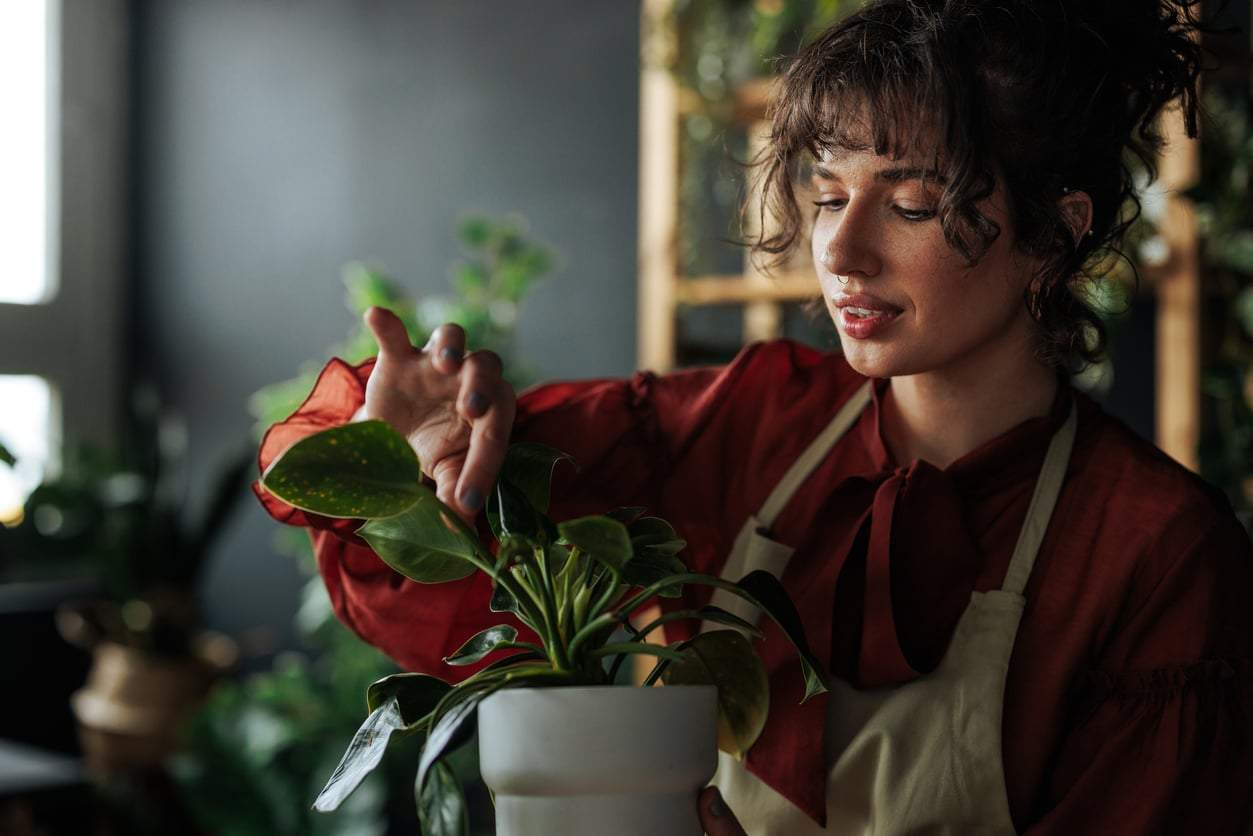
The obsession with rare, hard-to-find tropical plants is giving way to something more grounded. Native and locally adapted plants are having a real moment in interior design — and for good reason.
They're lower maintenance, better suited to your home's natural conditions, and they create a genuine connection to the natural world around you. Less fuss, more beauty. It's a trade worth making.
Handmade pieces are back — and more valued than ever
In a world flooded with mass-produced everything, handmade objects stand out in the best possible way. Patchwork throws, hand-painted tiles, ceramic pieces made by a local artist — these are the items that give a home its soul.
2026 is seeing a real resurgence of appreciation for craftsmanship. Each handmade piece is unique, and that uniqueness is exactly what makes a space feel personal rather than generic. If you want your home to feel like you, start with what was made by hand.
Asymmetry is the new sophistication
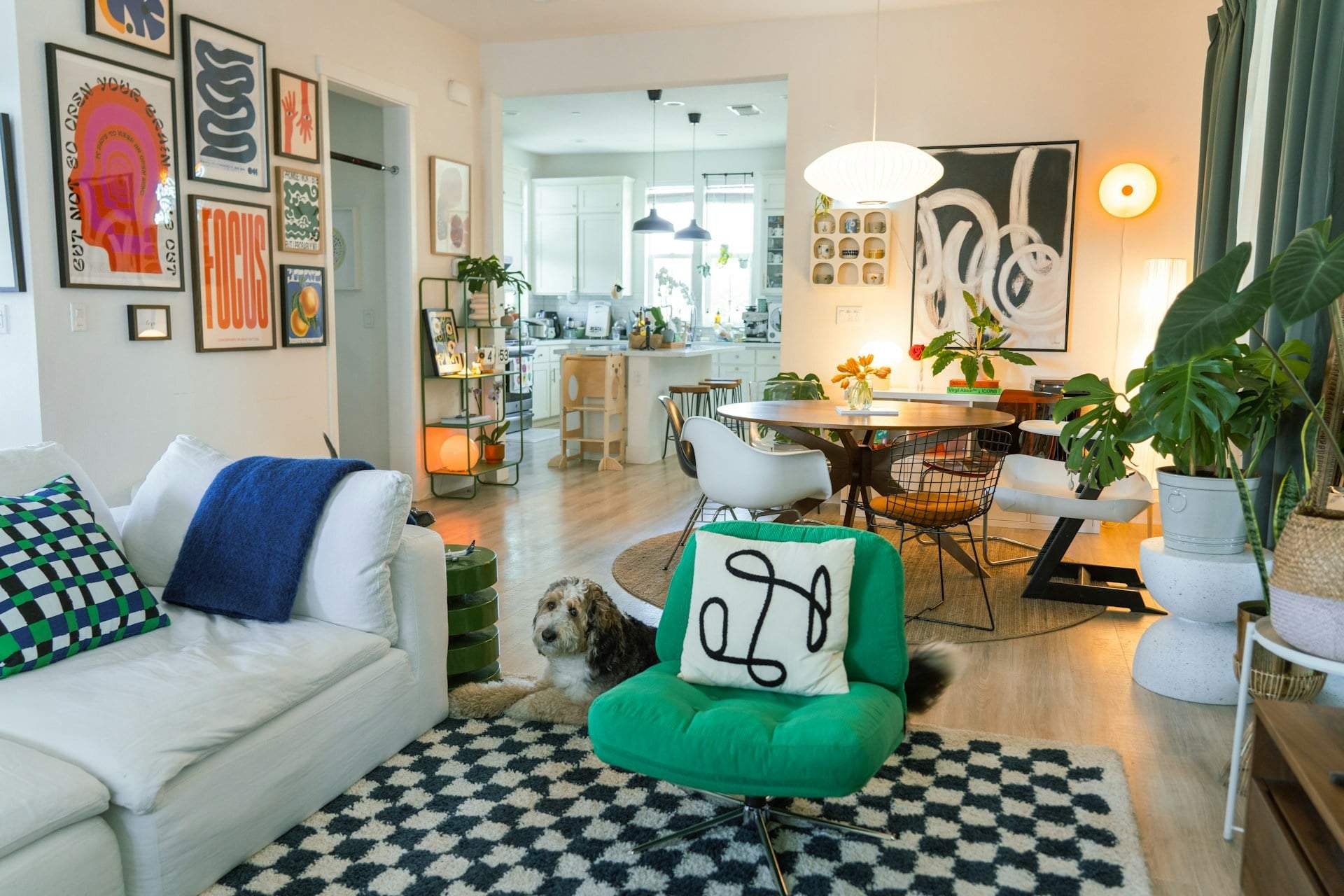
Perfect symmetry used to be the gold standard of interior design. Matching lamps, mirrored furniture arrangements, everything balanced and predictable. But that rigid formula is being replaced by something far more interesting.
In 2026, creative, asymmetrical layouts signal confidence and originality. Mixing furniture at different heights, combining styles that shouldn't theoretically work together, arranging a room around comfort rather than convention — this is where real design personality lives. Personal taste always beats the rulebook.
Recycled and reclaimed materials add something money can't buy
Choosing recycled or reclaimed materials isn't just an eco-conscious decision — it's a design one. Reclaimed wood, vintage textiles, repurposed glass all bring a depth and history to a space that brand-new furniture simply doesn't have.
Every piece with a past life carries a story. That story becomes part of your home's identity. And as a bonus, it's often kinder to your budget and always kinder to the planet.
2026 is shaping up to be the year that creativity finally outranks convention in interior design. The homes that feel most alive are the ones that reflect the people living in them — not a set of rules written for someone else. Break a few. See what happens.