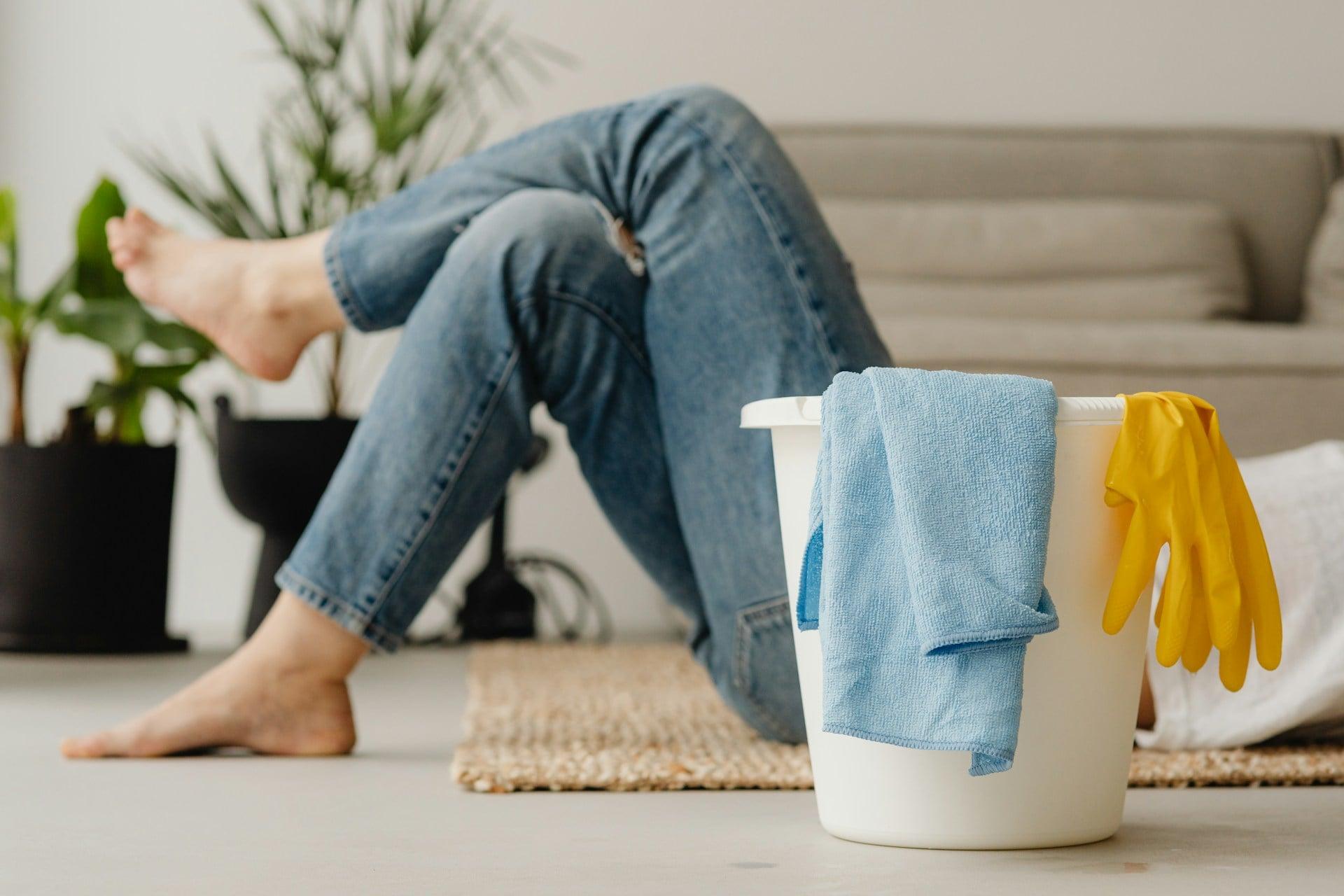
You clean the shelves, wipe down the furniture, vacuum the floors — and three days later, the dust is back. Sound familiar? Dust is one of the most stubborn uninvited guests in any home. And it's not just an aesthetic issue: those tiny particles — dead skin cells, pollen, textile fibers, and outdoor pollutants — can trigger allergy symptoms and quietly affect how you feel every day.
A completely dust-free home isn't realistic — but the good news is, you don't need one. A handful of smart, consistent habits can make a visible difference. Here are 7 tried-and-tested methods to keep your home cleaner and fresher for longer.
1. Use an air purifier
One of the most effective weapons against airborne dust is a good-quality air purifier. Models with HEPA filters can capture even the tiniest particles — not just dust, but also pollen and pet dander.
Place one in the rooms you use most — the living room and bedroom are the best starting points. Just remember to replace the filter regularly, or it will stop working properly over time.
2. Be strategic about opening windows
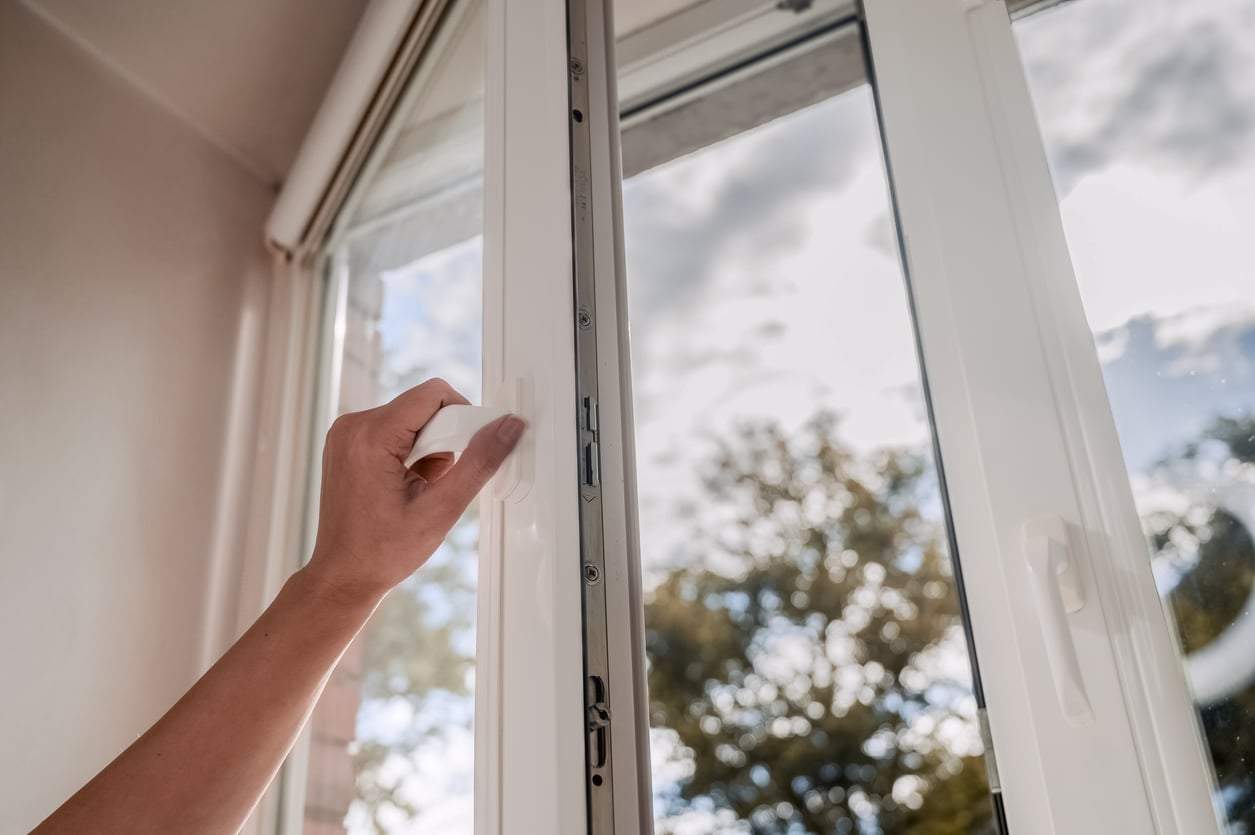
Fresh air feels wonderful, but open windows let in a surprising amount of dust — especially on windy days or during pollen season.
If you want to air out a room, do it briefly and intensively — 5 to 10 minutes is enough. A window screen or insect mesh can also help filter out some of the particles coming in from outside.
3. Choose the right vacuum cleaner
Vacuuming is essential, but not all vacuum cleaners are equally effective. Weaker models can actually blow fine dust particles back into the air rather than capturing them.
If possible, invest in a HEPA-filter vacuum and aim to clean high-traffic areas at least once or twice a week. Don't overlook corners, baseboards, and the space under furniture — those are the spots where dust loves to accumulate most.
Looking for smarter ways to clean in less time? These cleaning tools can make the whole process faster and easier.
4. Dust with a microfiber cloth — not a regular one
Traditional dusters and dry cloths often just push dust around rather than removing it. Microfiber cloths are different — their tiny fibers trap and lock in particles instead of scattering them.
Pro tip: use the cloth slightly damp. This makes it even more effective and prevents dust from floating back into the air while you work.
5. Wash your textiles regularly
Bedding, curtains, cushions, and rugs are major dust traps — and they're also prime territory for dust mites to settle in.
A simple cleaning schedule makes a big difference:
- Bedding: wash every 1–2 weeks.
- Curtains: clean every few months.
- Pillows and mattresses: use dust-mite-proof covers.
Keeping these items clean doesn't just reduce dust — it also creates a healthier environment for sleep, which matters more than most people realize.
6. Declutter your surfaces
The more open surfaces and accumulated objects you have, the more places dust has to settle. It really is that simple.
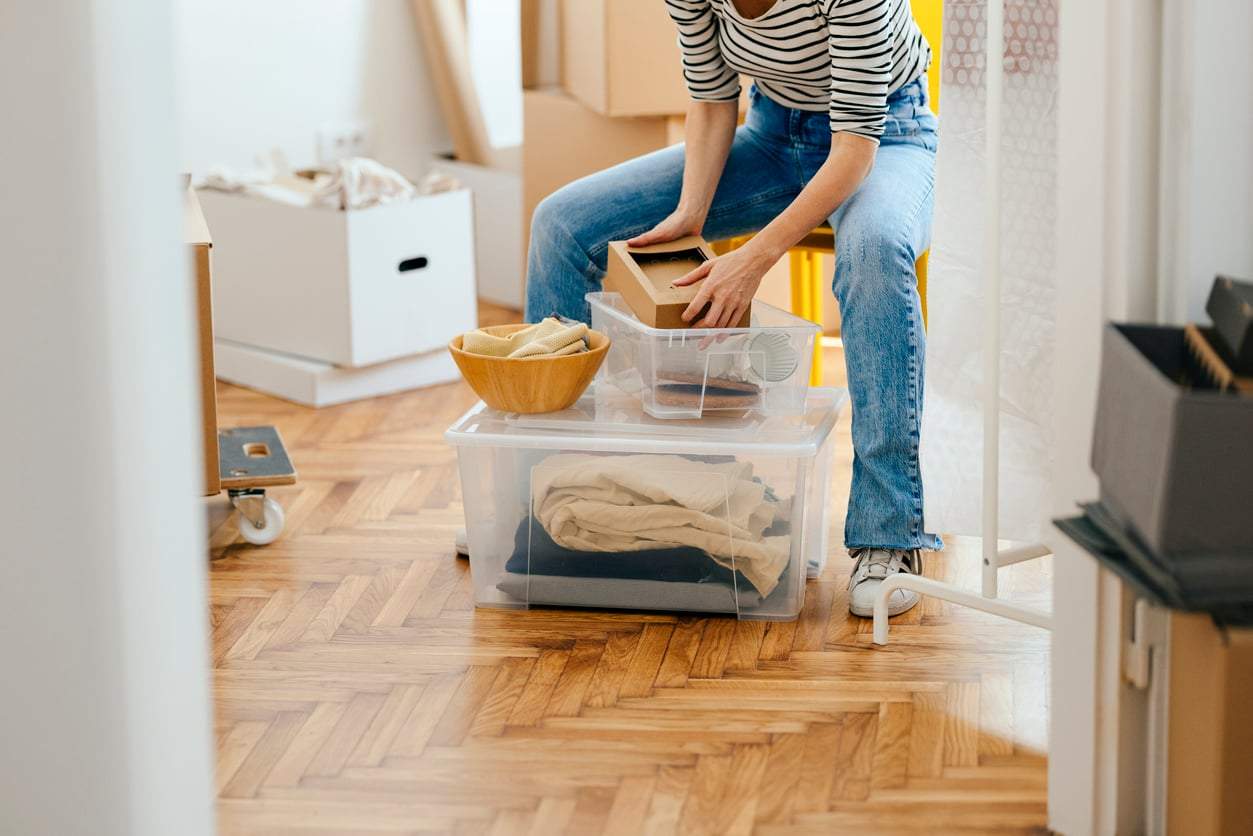
Try to minimize unnecessary decorations, paper piles, and small trinkets. Closed storage — boxes, cabinets, drawers — not only makes your space look tidier but also shields items from dust buildup. Less clutter genuinely means less cleaning.
7. Don't just vacuum the floor — mop it too
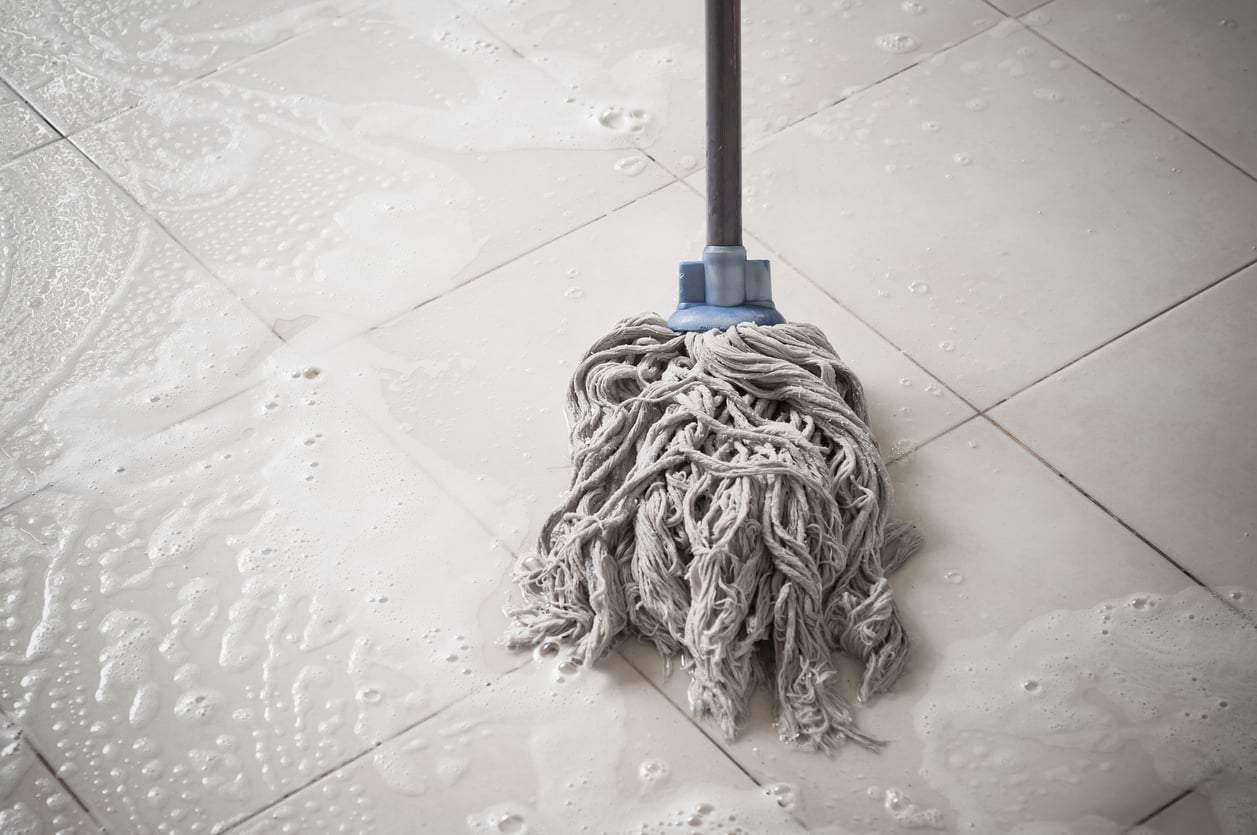
Dry sweeping often just stirs dust up into the air rather than removing it. Wet mopping actually eliminates it.
The winning combination: vacuum first, then mop. This way, you pick up the bulk of the debris with the vacuum and finish with a damp mop that captures what's left — without sending any of it back into the air.
Bonus tip: a no-shoes rule at the door
A surprising amount of dust and dirt enters your home on the soles of shoes. A good doormat combined with a simple "shoes off at the door" rule can make a noticeable difference — and it costs almost nothing to implement.
The real secret: consistency over perfection
Fighting dust isn't about one big deep-clean session. It's about building small, conscious habits into your routine. When these practices become second nature, your home will feel visibly cleaner, fresher, and healthier — without it feeling like a constant chore.
The goal isn't a perfect home. It's a comfortable, livable space where you actually enjoy spending time.