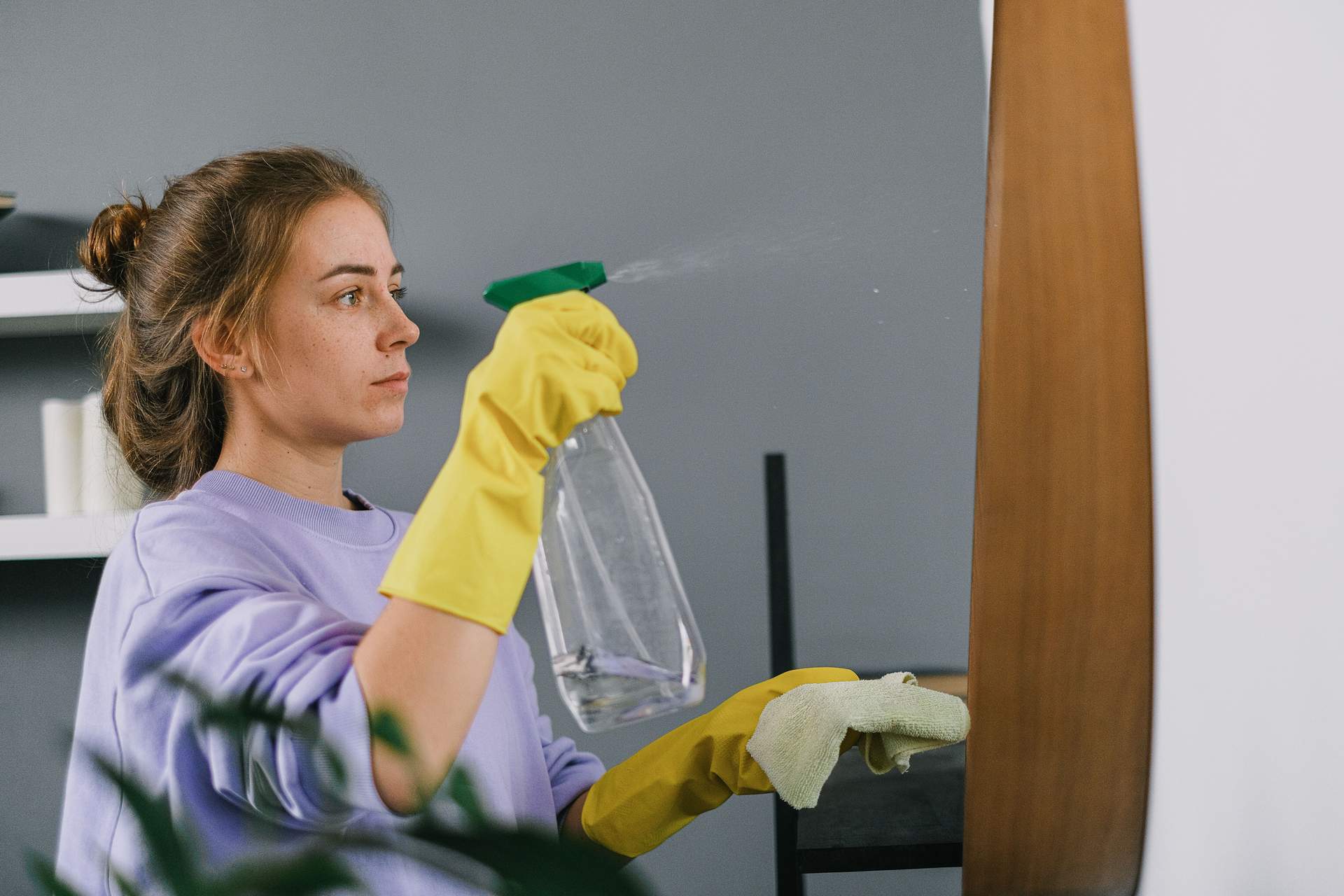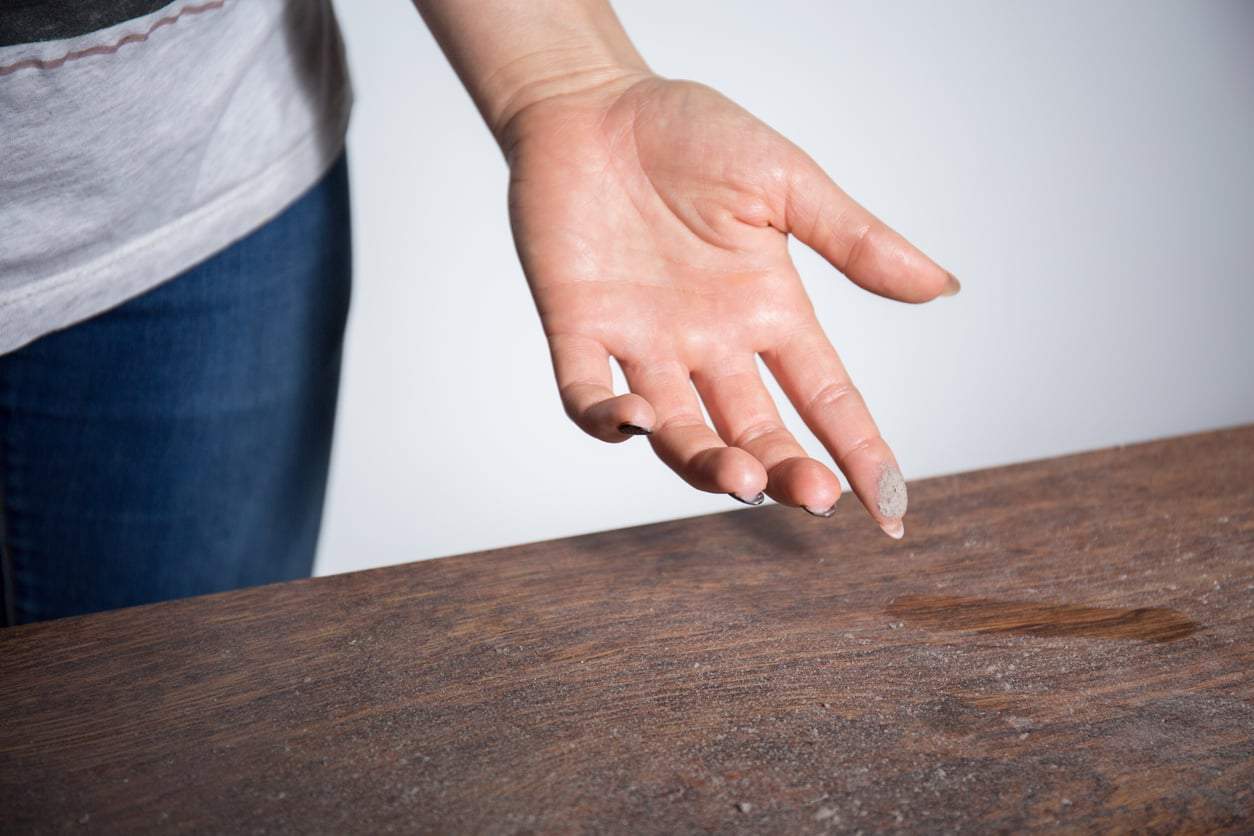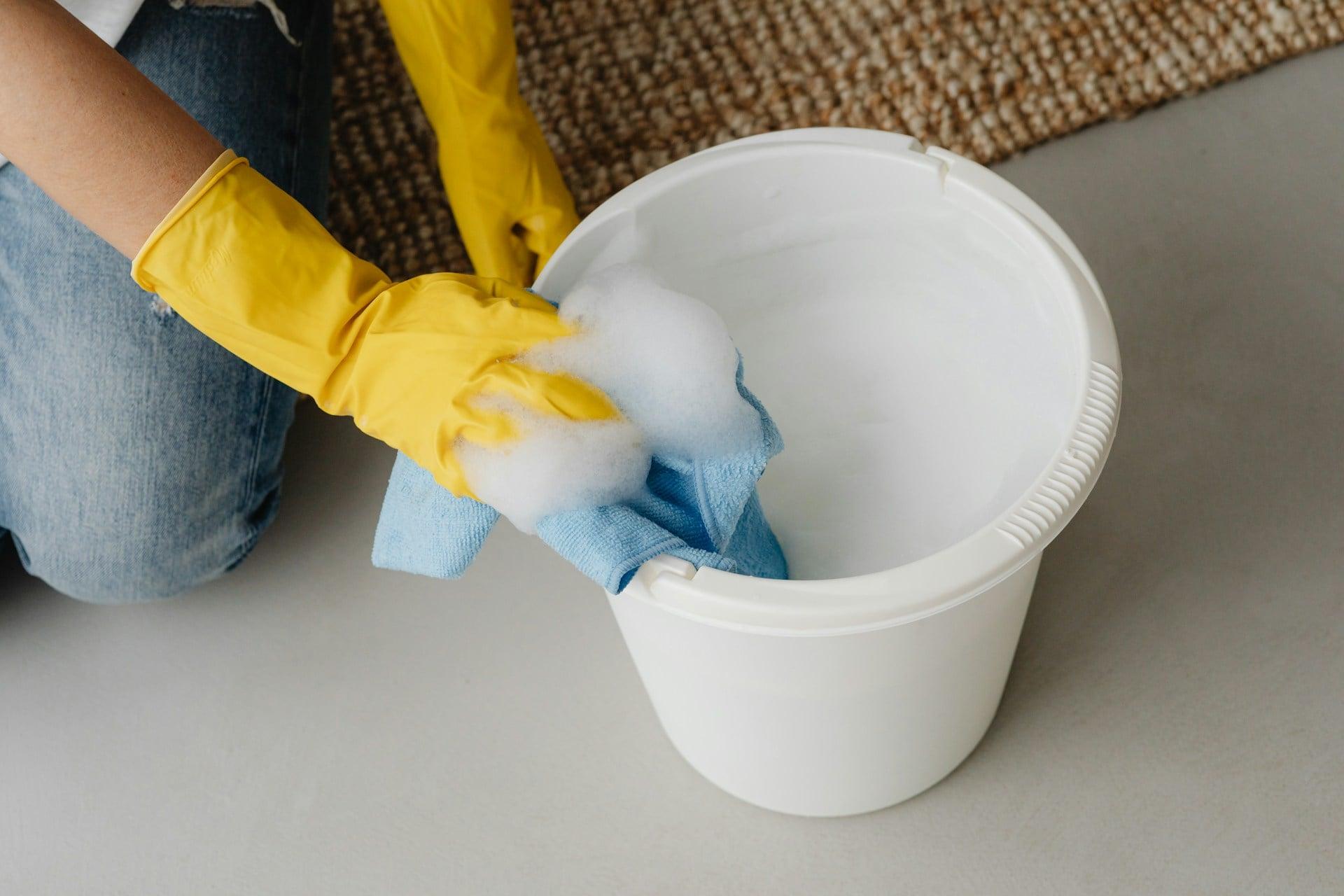
You grab a damp cloth, wipe down the shelves, and for a moment everything gleams. It feels like the smart move, especially in the heat, when open windows let in pollen and street grime all day long. So why does that same grey film settle back in just two or three days?
Here's the uncomfortable truth: the damp cloth you trust so much is often the reason your furniture gets dusty again so fast.
The logic seems solid. A dry cloth doesn't really remove dust, it just lifts it into the air, where it floats around and lands somewhere else. A damp cloth, on the other hand, sticks to the particles and lifts them away, so the surface really does look cleaner. In summer, when there's more airflow and more dirt drifting in, everyone wants the fastest, most effective fix.
What actually happens on the surface
When you drag a damp cloth across a shelf, you leave behind a thin, almost invisible film of moisture, along with the dust, hair and skin cells you just picked up.
That film doesn't simply vanish. It dries onto the furniture and forms a faint, slightly sticky layer. And that residue attracts freshly settling dust far more effectively than a completely dry, clean surface would.
That's exactly why your damp-wiped shelves, TV and dresser seem to "re-dust" faster than when you use a dry cloth.
A damp cloth doesn't remove dust, it temporarily hides it, then leaves behind an invisible layer of glue.
If you want to genuinely cut down on dust for good, it's worth rethinking your whole routine. There are a few simple tricks that leave your home visibly less dusty, and they start well before you ever reach for a cloth.
Why it gets worse in summer
Higher temperatures and more humidity mean the leftover moisture on the surface dries more slowly, so your furniture stays in that sticky state for longer.
On top of that, we ventilate more in summer, which lets in more pollen, soot and fine sand from outside, and all of it clings instantly to a slightly damp surface.
Wooden furniture suffers the most. In the heat the material already expands and contracts, and regular dampening can lead to tiny cracks, stains and, over time, even slight warping.
What to do instead
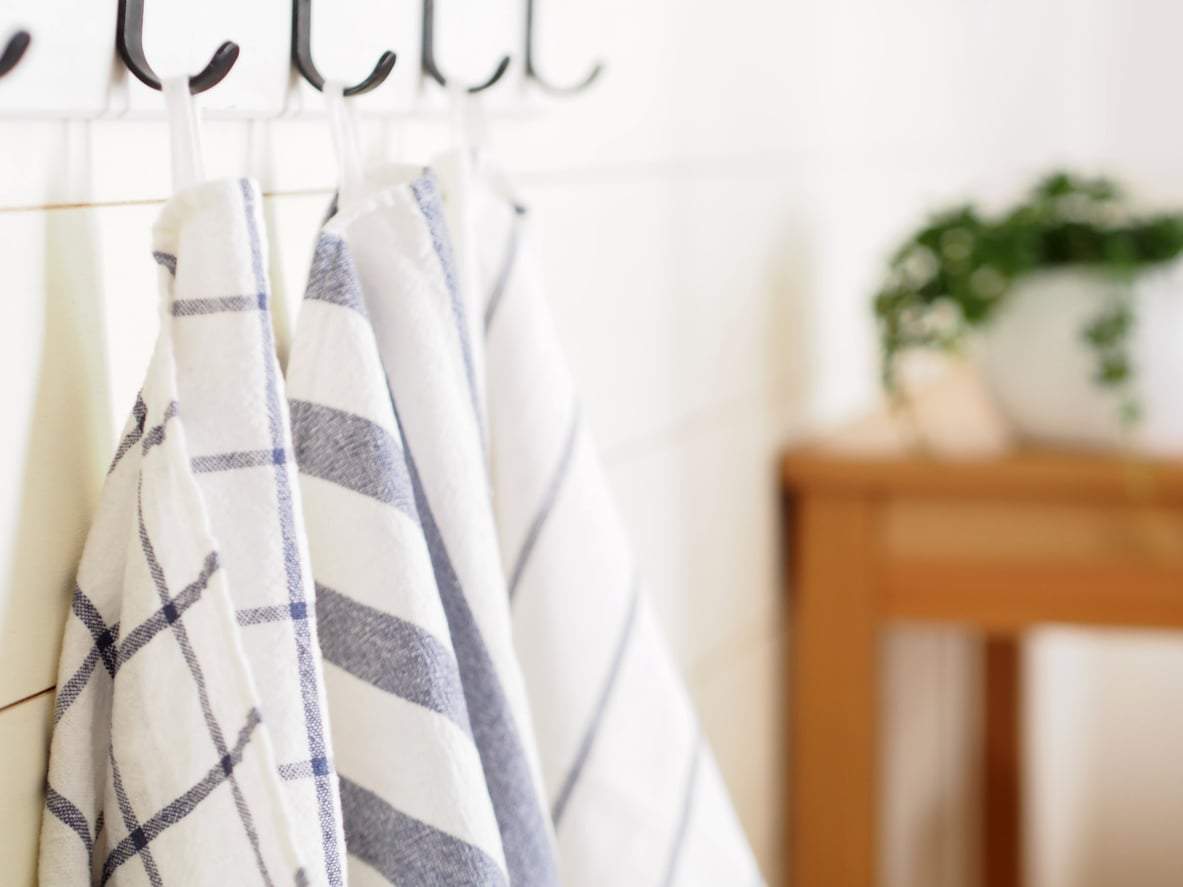
- Always remove loose dust first with a dry, soft microfibre cloth or a feather duster. Only then reach for any damp method.
- If you do wipe with moisture, wring the cloth out thoroughly. It should feel almost dry in your hand, with no dripping water left.
- Right after wiping, go over the surface once more with a dry, clean cloth so no wet film is left behind.
- On wooden furniture, avoid damp wiping on warm, sun-hit surfaces, because the fast drying makes stains far more likely.
Wash your microfibre cloths regularly at a high temperature, because trapped dust and moisture can turn them unpleasantly smelly fast in the heat.
Speaking of which, it's easy to forget how much bacteria builds up on the tools we clean with. The same goes for the kitchen sponge you should be replacing and disinfecting more often than you think.
Which tools actually help
Statically charged dry dusting cloths and feather dusters are far more rewarding in summer than any damp solution, because they genuinely attract dust rather than just smearing it around on the surface.
If your furniture really is greasy or sticky, treat that as an occasional extra step: a lightly damp wipe followed immediately by a dry cloth, rather than your everyday routine.
Done this way, the surface actually stays clean, instead of just gleaming for a moment before the whole cycle starts again a few days later.
Why does dust come back so quickly after using a damp cloth?
Because the damp cloth leaves behind a thin, slightly sticky film as it dries. That residue attracts newly settling dust far more than a clean, dry surface would, so the grey layer returns within days.
Is it ever okay to wipe furniture with a damp cloth?
Yes, as an occasional extra step for genuinely greasy or sticky surfaces. Wring the cloth out until it feels almost dry, then immediately go over the same spot with a dry, clean cloth.
What's the best way to dust in summer?
Start with a dry, soft microfibre cloth or a feather duster to lift loose dust, and rely on statically charged dry cloths that actually attract dust rather than smearing it around.
Why is damp wiping especially bad for wooden furniture?
In the heat, wood already expands and contracts, and regular dampening can cause tiny cracks, stains and even slight warping over time, particularly on warm, sun-hit surfaces.