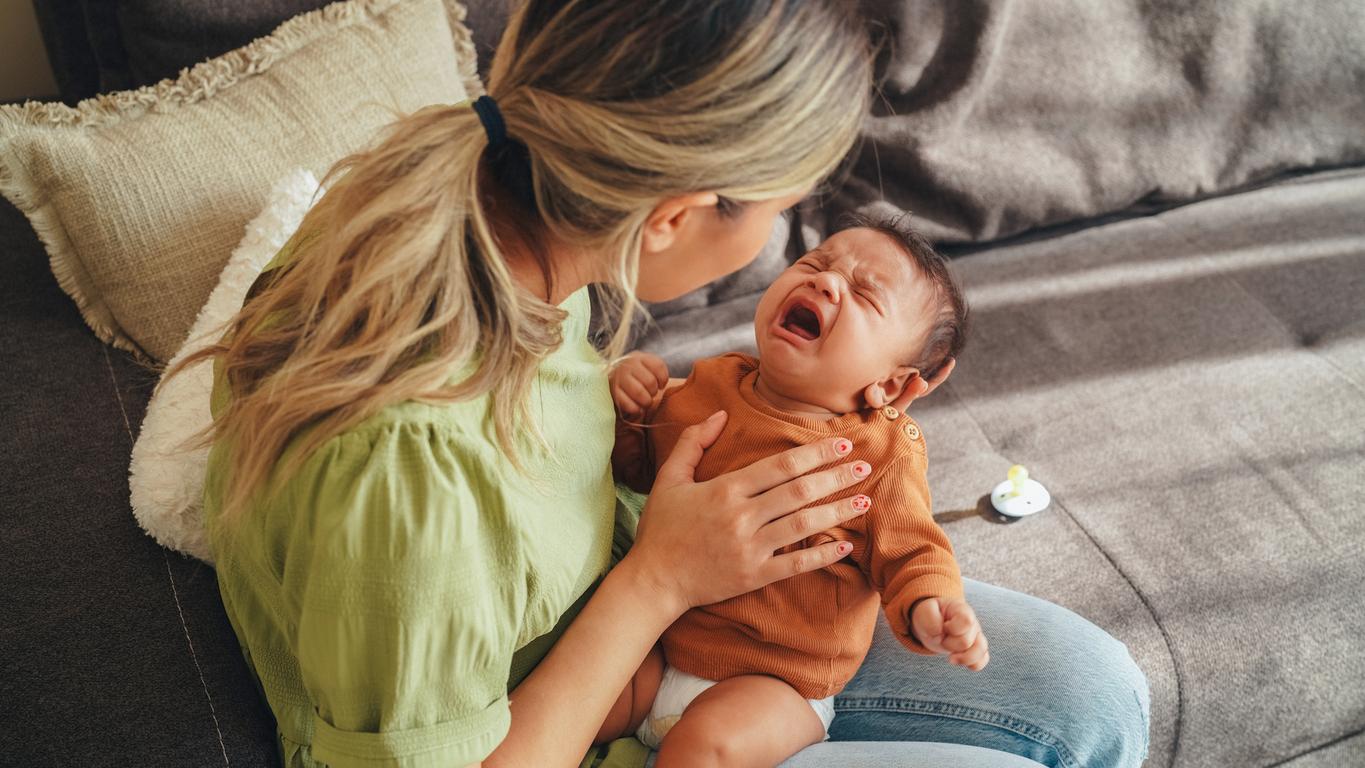
Becoming a parent brings a whirlwind of emotions—joy, love, and sometimes unavoidable stress. Naturally, many wonder how this stress might affect newborns and babies. A recent study uncovered surprising facts: 80% of infants show noticeable physiological changes in response to their mother’s stress.
The Biology of Maternal Stress
When a mother experiences stress, her body reacts physically—heart rate and blood pressure rise, and cortisol, the so-called “stress hormone,” is released. These changes can naturally influence the quality and composition of breast milk, a baby’s main source of nutrition.
It’s well established that babies are finely tuned to their mother’s emotional state.
A 2018 study published in Psychological Science found that infants can recognize their mother’s stress and often become more anxious and unsettled when sensing her tension or nervousness.
This insight is especially meaningful for new moms who might face frustrating moments.
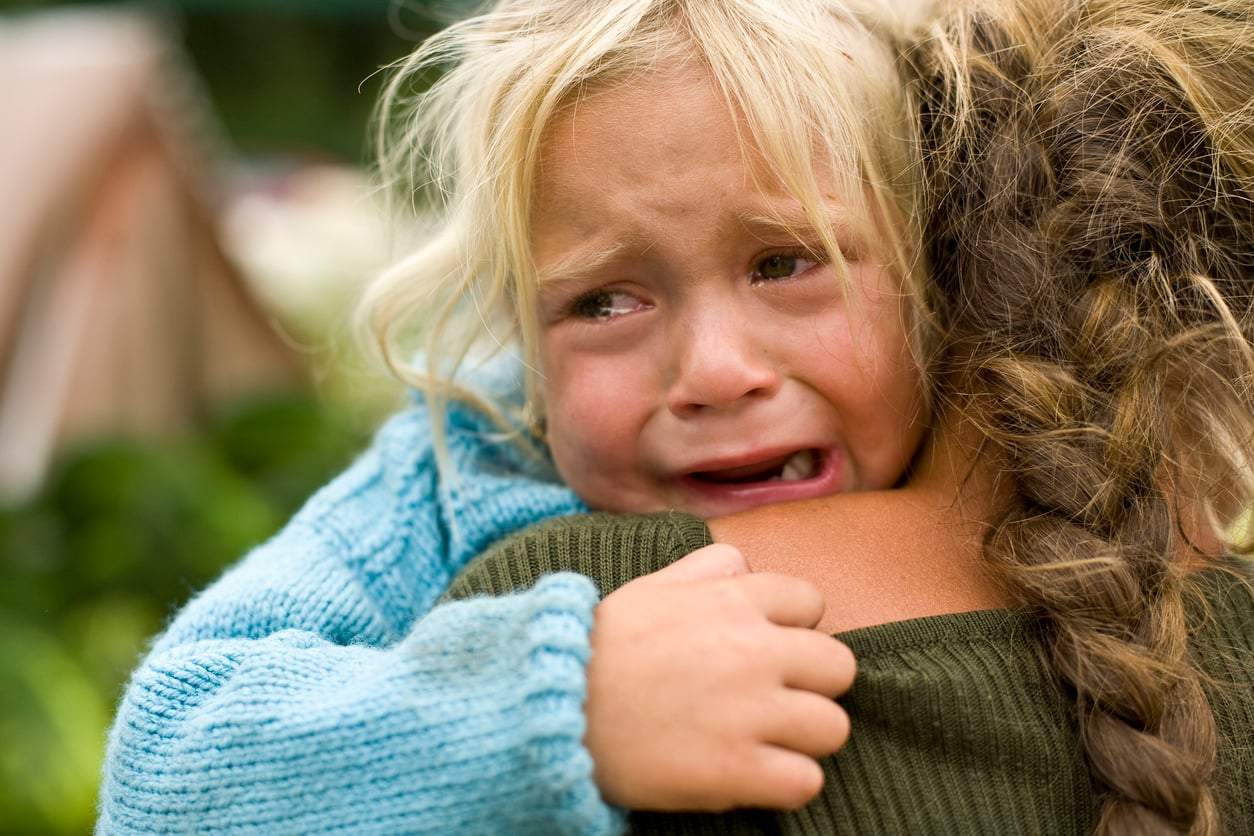
The study showed that up to 80% of babies display changed behavior patterns in response to maternal stress. Researchers noticed that babies of stressed, restless mothers mirror these emotional states: they become more restless, sleep poorly, and their feeding routines can be disrupted. These reactions support the idea that maternal stress directly impacts a baby’s emotional and physical well-being.
Another study from the University of California found that children of anxious mothers had higher stress levels, measured through cortisol levels. This suggests a link between increased cortisol in infants and maternal stress.
How to Reduce Maternal Stress
Reducing maternal stress is key to supporting babies’ well-being. Luckily, there are several effective ways to help moms manage stress.
One of the most popular and effective methods is regular exercise, which positively influences hormone levels by lowering stress hormones in the body.
Relaxation techniques like meditation, yoga, and breathing exercises also play a big role in maintaining calm.
Besides these, seeking social support—from family, friends, or supportive mom groups—can bring great comfort. Connecting with others who share similar experiences reminds moms they’re not alone and offers a safe space to share daily challenges, naturally easing stress.
The Importance of the Mother-Child Bond
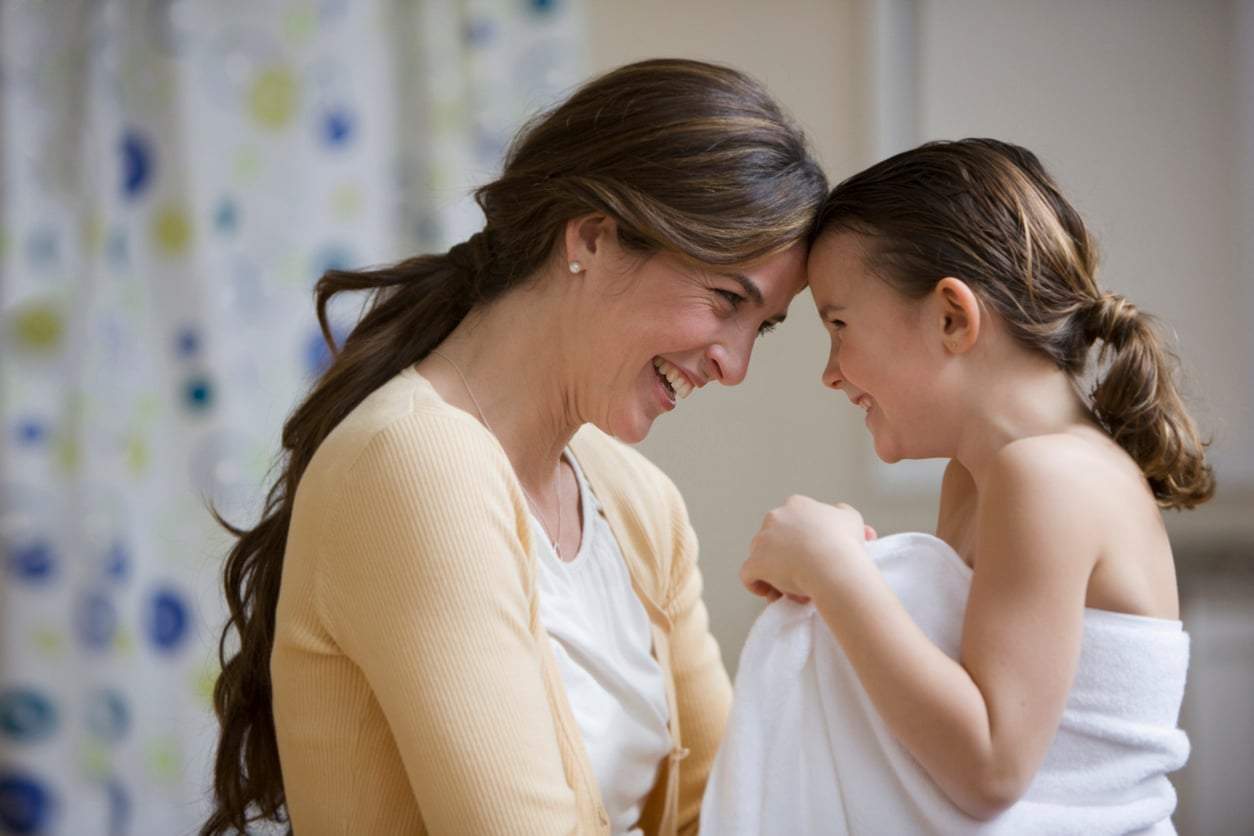
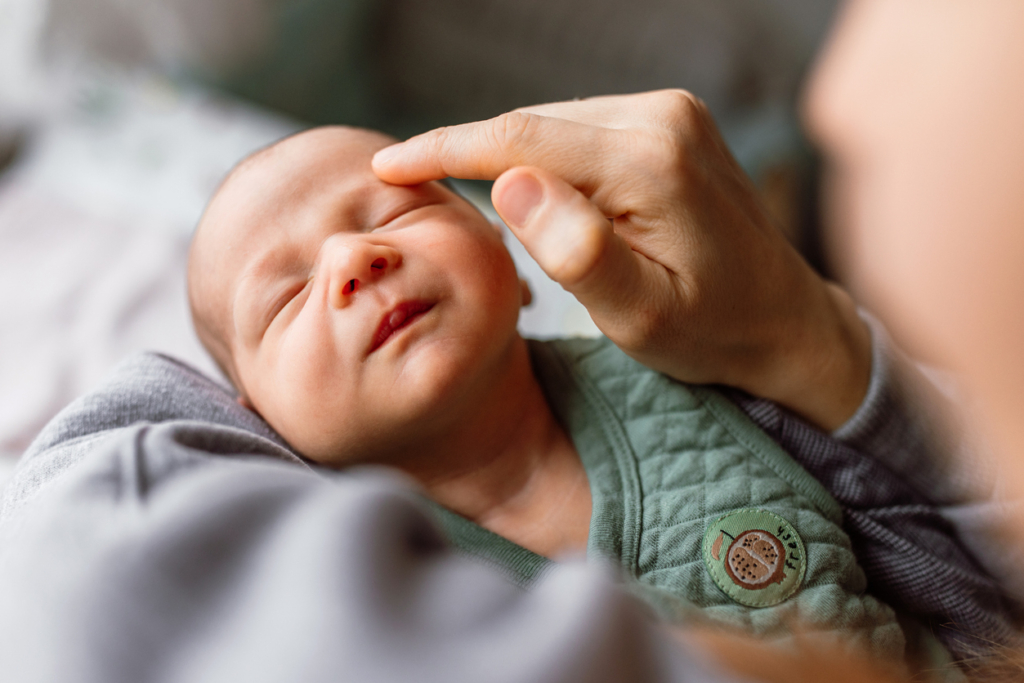
The bond between mother and child is one of life’s deepest emotional connections. The studies highlighted here emphasize just how crucial a mother’s well-being is for her child’s healthy development. Emotional stress affects not only mood but also physical processes, impacting both mother and baby.
In short, while stress is an unavoidable part of life—especially for moms navigating early childhood—using strategies to manage it during this time benefits both mother and child in the long run.