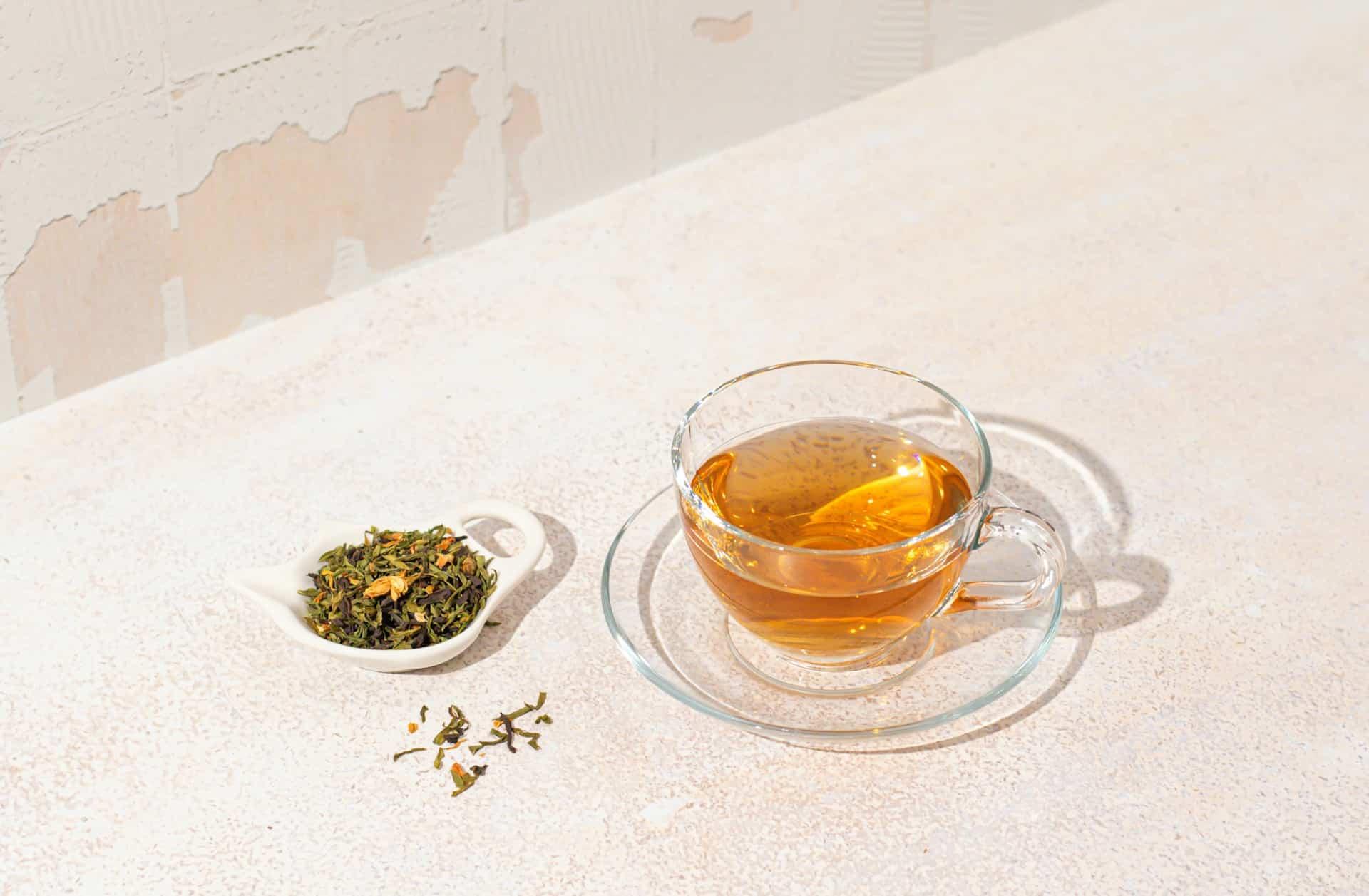
Senna, a member of the legume family, likely reached Europe in the Middle Ages thanks to the Arabs. It works wonders on the intestinal lining, bowel movements, and colon health. The herb’s most powerful compounds are mainly found in its leaves, with some beneficial ingredients also present in the fruit. Since its effects focus mainly on the intestines, it’s most often used for digestive troubles and bowel issues—but honestly, it’s great for almost anything “down there.”
Senna Makes Constipation a Thing of the Past
Senna leaves and fruits contain anthraquinone derivatives that gently stimulate the bowel walls, boosting and speeding up bowel movements by activating the nerves in the colon. This makes senna a fantastic, natural option for stubborn, temporary constipation—perfect if you want to avoid pharmaceutical laxatives.
It works pretty quickly, usually kicking in within 6–12 hours after taking it. Many people prefer to take it in the evening so it works by morning. Just keep in mind that it’s a strong laxative and can cause significant fluid loss, so staying well-hydrated during your course is super important.
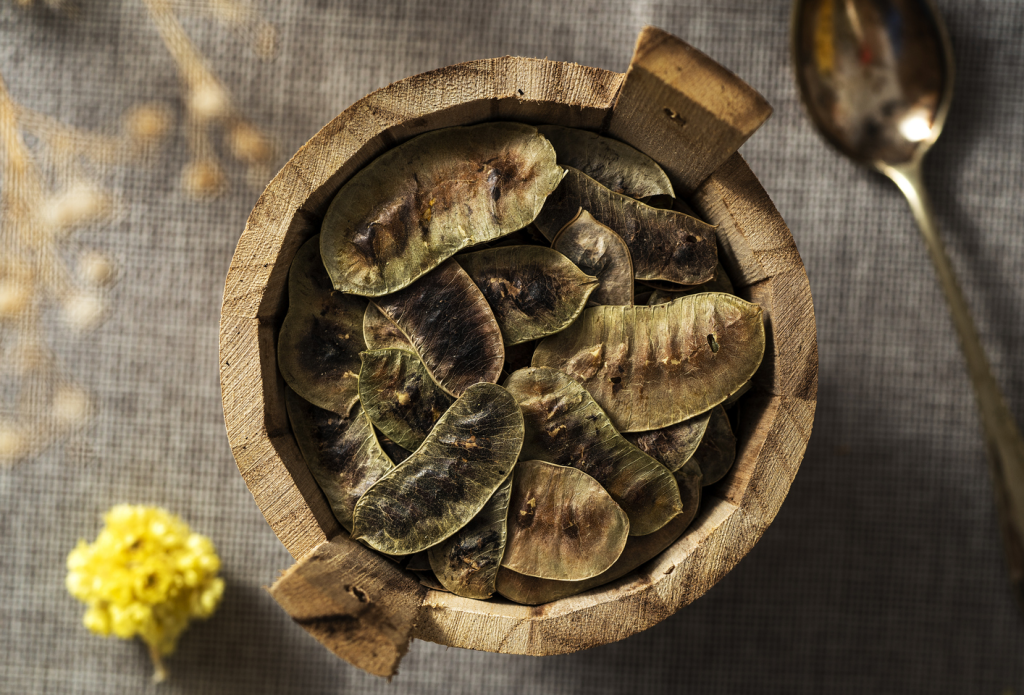
A Powerful Colon Cleanser and Detoxifier
Because it works so thoroughly and eases stool passage, senna quickly flushes the system, making it a go-to for colon cleansing and detox. Many people use it during intermittent fasting, juice cleanses, or detox programs to help clear out harmful toxins.
Just a heads-up: senna should only be used in short courses—no longer than 8–10 days.
While it’s believed to support toxin elimination and may boost immune function, overuse can disrupt your body’s fluid and electrolyte balance. Taking it too often or in large amounts might cause cramping, especially if you’re sensitive.
Pregnant or breastfeeding women should avoid it, as should anyone with inflammatory bowel diseases. It’s also not the best choice for young children, especially under 12, as a calming evening tea.
When I said you can use senna for almost anything “down there,” I meant it. Senna leaves not only stimulate bowel movements but can also help prevent hemorrhoids. It’s simple biology: when constipation-related issues clear up thanks to this amazing plant, the chances of developing hemorrhoids go down.
Plus, senna does more than that. Studies suggest it may reduce the risk of colon cancer and even have a positive effect on blood sugar levels.
How to Make Senna Tea
To prepare a senna infusion, you’ll need a teaspoon of dried senna leaves (available at pharmacies, drugstores, and herbal shops). Steep them in 200–250 ml (about 7–8.5 oz) of hot water. Let it sit for a bit, strain, and it’s ready to drink.
You can enjoy it plain or add a little honey to sweeten it. Drinking a cup before bedtime will have your metabolism humming by morning, helping you say goodbye to tough bowel movements, painful cramps, and lower abdominal discomfort.