With insights from Dr. Diána Takács-Tóth, an expert in herbal medicine and chemistry, we explored what’s truly worth knowing about these fascinating plants.
Both Are Actually Plants
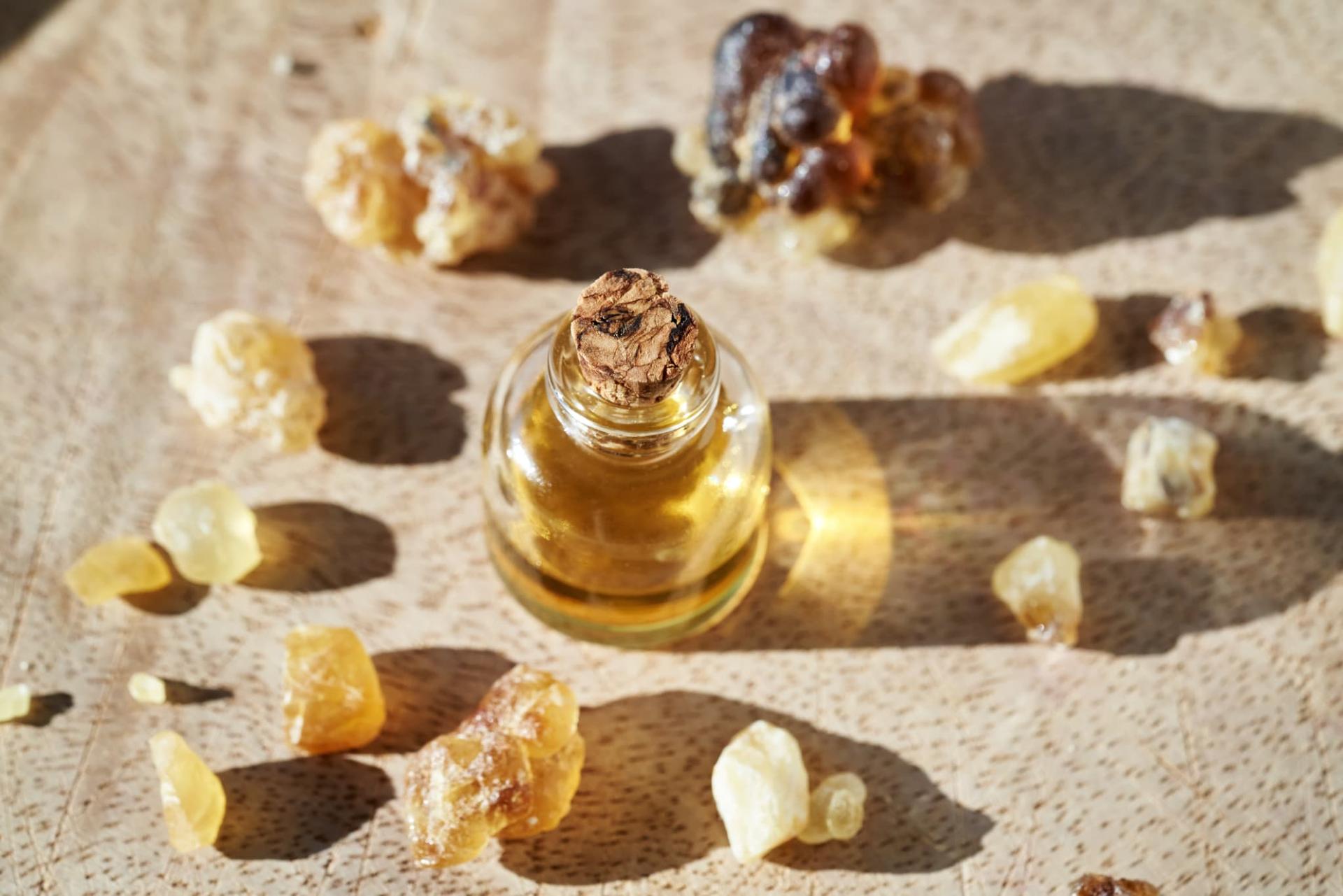
First off, it’s important to clarify that frankincense and myrrh are both plants—and quite special ones at that. Their processing is unique. “Frankincense and myrrh belong to the same family, Burseraceae, known as the frankincense family. Myrrh is from the Commiphora genus, frankincense from Boswellia. They grow as thorny, sparsely branched shrubs or trees. The resin is harvested by making multiple cuts in the bark, allowing the sap to ooze out and harden quickly when exposed to air. The hardened resin is hard, shiny, and can be yellowish, transparent, or opaque. The valuable essential oils are extracted from this resin through steam distillation,” explains the expert.

They’ve Held an Important Role for Ages
Have you ever wondered how frankincense and myrrh, as plants, became gifts alongside gold and earned a lasting reputation through generations? “
“The use of frankincense and myrrh dates back thousands of years and played vital roles across cultures, religions, and civilizations—in healing, beauty rituals, funerals, embalming, perfume making, and religious ceremonies, as consistently noted in the Bible, the Vedas, ancient Egyptian papyri, and the Quran.”
Written records show they were used for embalming the dead 2,700 years ago, and also for making incense and perfumes. Myrrh and frankincense were prized treasures for spice traders, and their rising demand placed them alongside gold in value.
Unlike frankincense, which was primarily burned as incense, myrrh’s resin was prized for its healing properties in ointments and rubs. Mixed with wine, it was given as a soothing drink to those in pain. According to scripture, this was even offered to Jesus before his crucifixion, though he declined it, wanting to face his fate with a clear mind.”
The Symbolic Gifts
While gold, frankincense, and myrrh could each be wonderful gifts on their own today, in the story of the Magi, each carries a symbolic meaning in Christian tradition.
“Gold symbolizes royal dignity and Jesus’ kingship, representing divine royalty—the sun. Frankincense stands for wisdom and worship, its fragrant smoke expressing religious reverence. Myrrh, a resin used for the dying, foreshadows Jesus’ suffering and sacrifice on the cross in the New Testament. It can also symbolize humanity and sacrifice.”
“So, beyond their material value, these gifts symbolically reflected different aspects of Jesus’ identity. Together, they represented his divine royalty, humanity, and redemptive mission.”
Proudly Packed with Healing Powers
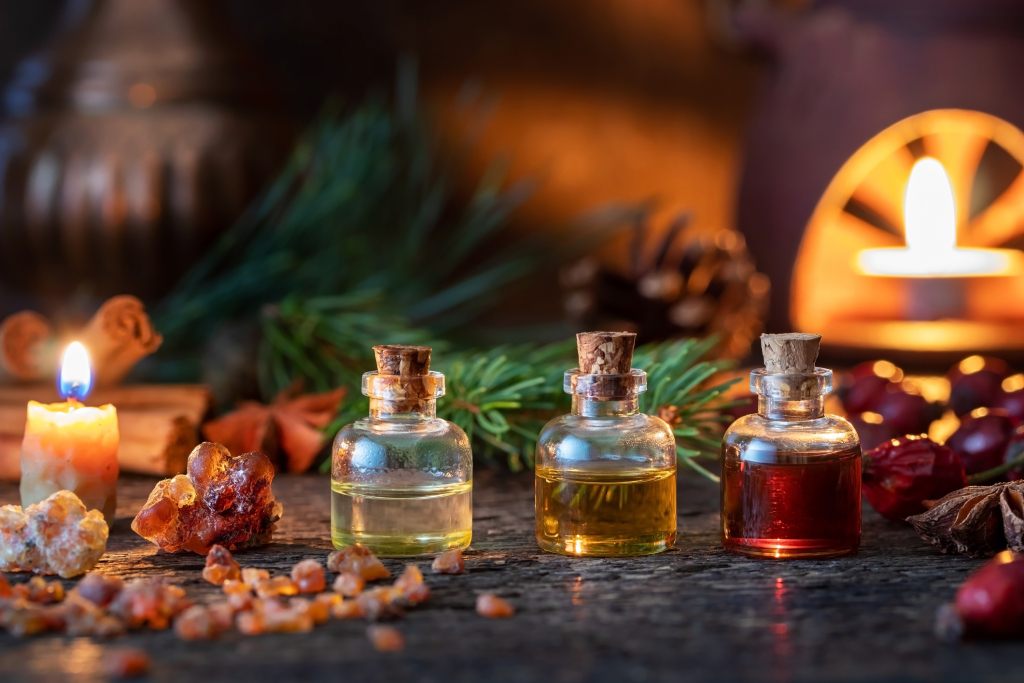
Essential oils made from frankincense and myrrh are extracted through a special steam distillation of the hardened resin that oozes from cuts in the tree bark. Today, they’re celebrated for their impressive healing benefits. “Frankincense and myrrh essential oils can be used to treat skin conditions, scars, wounds, and abrasions. In cosmetics, frankincense is prized for its anti-aging effects.
Both have anti-inflammatory properties, helpful for joint issues and other inflammatory conditions. Traditionally, they’ve been used for respiratory problems like coughs and asthma. The resin also has antiseptic qualities.
Through aromatherapy, they can ease tension and stress, with their scents often described as calming and relaxing. Frankincense oil is also essential for spiritual events, ceremonies, meditation, and trance states.”

Great for Everyday Use Too
Even if you don’t have any specific issues, there’s plenty of reason to try frankincense and myrrh essential oils. “You can use an aroma lamp or ultrasonic diffuser! Aromatherapy helps reduce stress, clear airways, and promote relaxation.
You can also inhale the steam by adding a few drops of frankincense oil to a bowl of hot water and breathing in the vapors. This supports easier breathing. They’re also perfect as massage oils when diluted with carrier oils like jojoba or apricot kernel oil. These blends can relieve muscle tension, and adding other anti-inflammatory oils like rosemary or peppermint can boost their effects.
Last but not least, add 4 drops of frankincense or myrrh oil to a creamy or honey bath and mix well. This can help with relaxation, stress relief, and skin hydration—especially refreshing after busy days,” highlights Dr. Diána Takács-Tóth.