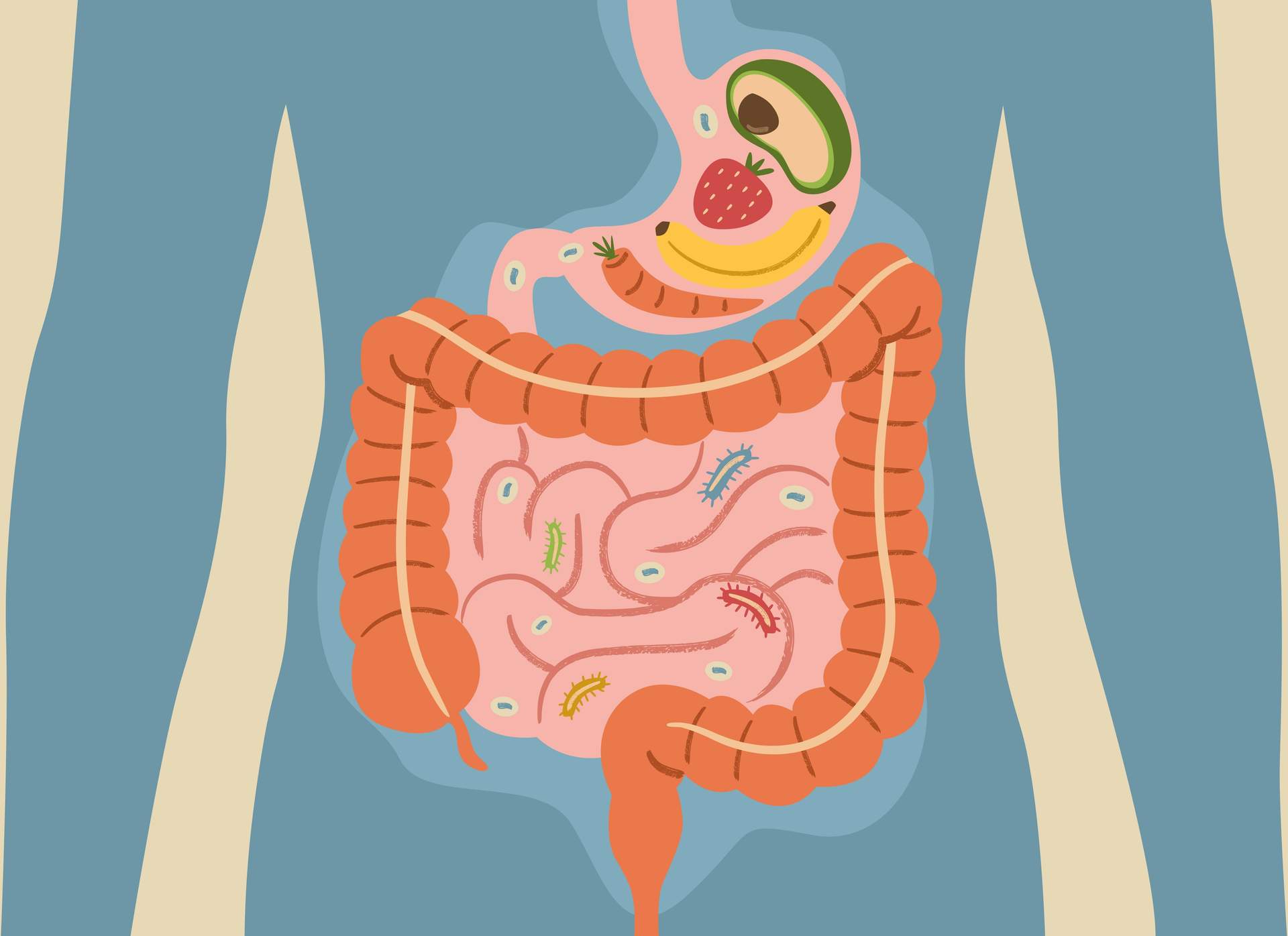
In today’s fast-paced world, digestive issues are becoming more common, often linked to food intolerances or allergies. These problems don’t just cause discomfort—they can seriously affect your quality of life over time. That’s why it’s so important to understand what’s behind these issues and adjust your diet if needed. Below, we’ve gathered some foods that can help soothe symptoms and promote a healthy digestive system.
What Are the Most Common Digestive Problems?
Irregular bowel movements, bloating, stomach pain, and food intolerances are everyday struggles for many. These symptoms can stem from stress, poor diet quality, or lack of exercise. Sometimes, foods you once tolerated well may no longer agree with your digestive system. That’s why it’s smart to regularly review your eating habits and make changes when necessary.
Fiber-Rich Foods to Support Your Gut
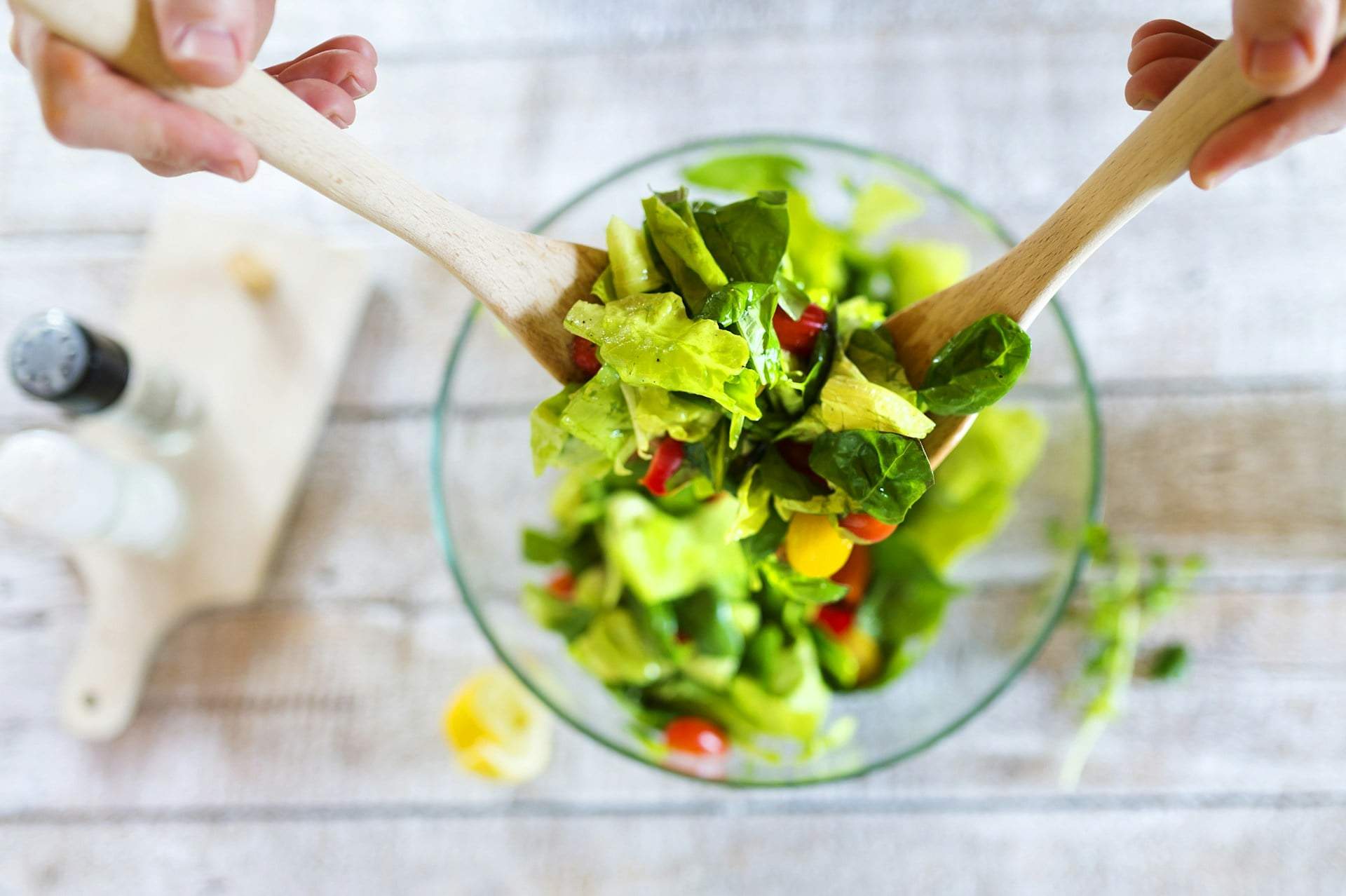
Fiber plays a key role in regulating bowel function by helping form healthy stool volume and consistency. Eating plenty of vegetables, fruits, and whole grains is essential for maintaining smooth digestion.
Great fiber sources include oatmeal, whole grain bread, and brown rice. These not only provide fiber but also important vitamins and minerals. Leafy greens like spinach and kale are also fantastic for your digestive health.
Fermented Foods, Friends of Your Gut Flora
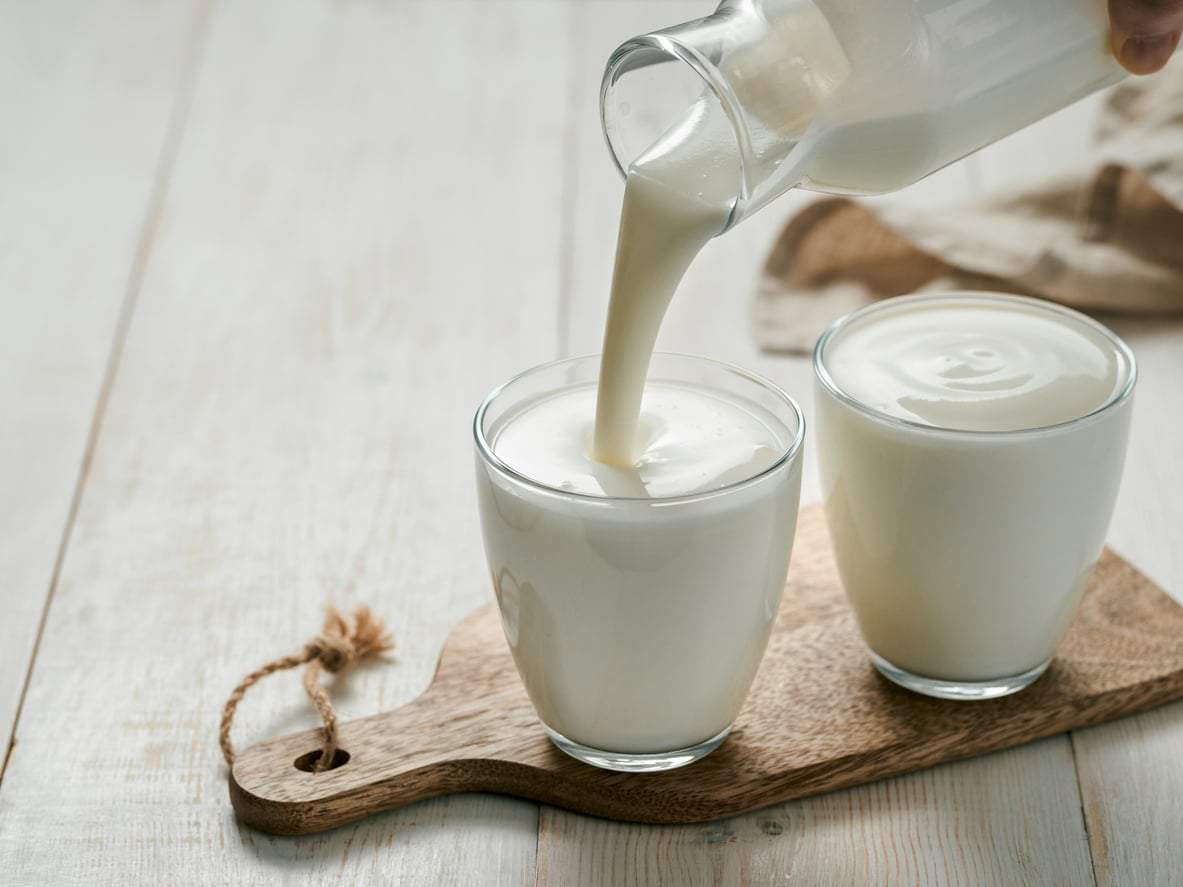
Healthy gut flora is essential for good digestion. Choosing foods that support beneficial bacteria is a smart move. Fermented options like kefir, yogurt, and sauerkraut are excellent sources of these helpful microbes.
These foods not only improve digestion but also help strengthen your immune system, which is especially valuable during stressful times. Adding them to your daily diet is a simple way to boost your gut health.
Water, the Most Natural Digestive Aid
Many don’t realize how vital proper water intake is for digestion. Water helps fiber do its job, keeps your intestinal walls hydrated, and aids nutrient absorption.
Try to drink at least 1.5 to 2 liters (about 50 to 68 ounces) of water daily, especially if you’re active or in warm weather. Staying hydrated also supports your body’s natural detox processes, which benefits digestion.
Individual Sensitivities and the Role of Diet
Everyone’s different, so it’s important to listen to your body and recognize your unique dietary needs. Foods that help one person might cause digestive issues for another.
If certain foods regularly cause discomfort, keeping a food diary can help you pinpoint the culprits. Over time, you can develop a diet that works best for you.
Healthy digestion starts with awareness and mindful food choices. If you notice changes or ongoing issues, consulting a professional can help you improve your digestive health effectively.