Biotin is becoming a buzzword, especially when it comes to hair care. This water-soluble B vitamin is often called the “beauty vitamin” because it’s a key ingredient in many products for hair, skin, and nails. But is it really a miracle for hair growth, or just a clever marketing story?
Also known as vitamin B7, biotin is an essential nutrient that plays a vital role in various metabolic processes in the body. It’s especially important for breaking down fats, carbohydrates, and proteins, and supporting cellular growth. You can find biotin in foods like eggs, nuts, seeds, and meat alternatives, and it’s also produced by your gut flora.
The recommended daily intake for adults is about 30 micrograms, which is usually easy to get through a balanced diet. Still, modern lifestyles and eating habits have led many to explore supplements, with biotin supplements being among the most popular.
Biotin and Hair Growth: What Does the Science Say?
While biotin might seem like the holy grail of hair care, scientific evidence supporting its direct role in boosting hair growth is limited. Most studies focus on cases where hair loss or other hair issues are caused by a biotin deficiency. In those situations, supplementing biotin can genuinely help kickstart hair growth.
For people without a biotin deficiency, supplements often have little to no noticeable effect.
Despite this, the hype around biotin’s hair-growing powers remains strong, fueled largely by savvy marketing and social media influencers.
Signs and Consequences of Biotin Deficiency
Though rare, biotin deficiency can cause serious health issues. Symptoms include thinning hair and hair loss, skin rashes—especially around the nose and mouth—and brittle nails. In more severe cases, neurological problems like fatigue or depression may appear.
Certain medications, such as antibiotics or epilepsy treatments, can lower biotin levels by interfering with its natural production in the gut. So if you’re taking these meds or have specific genetic conditions, it’s extra important to keep an eye on your biotin intake.
Natural Biotin Sources for Your Daily Diet
Luckily, biotin is found in a variety of foods, making it easy to include in your daily meals. Regularly enjoying egg yolks, liver, legumes, nuts, and seeds can keep your biotin levels on point. Vegetables like sweet potatoes and broccoli are also great sources, supporting hair health naturally without needing supplements.
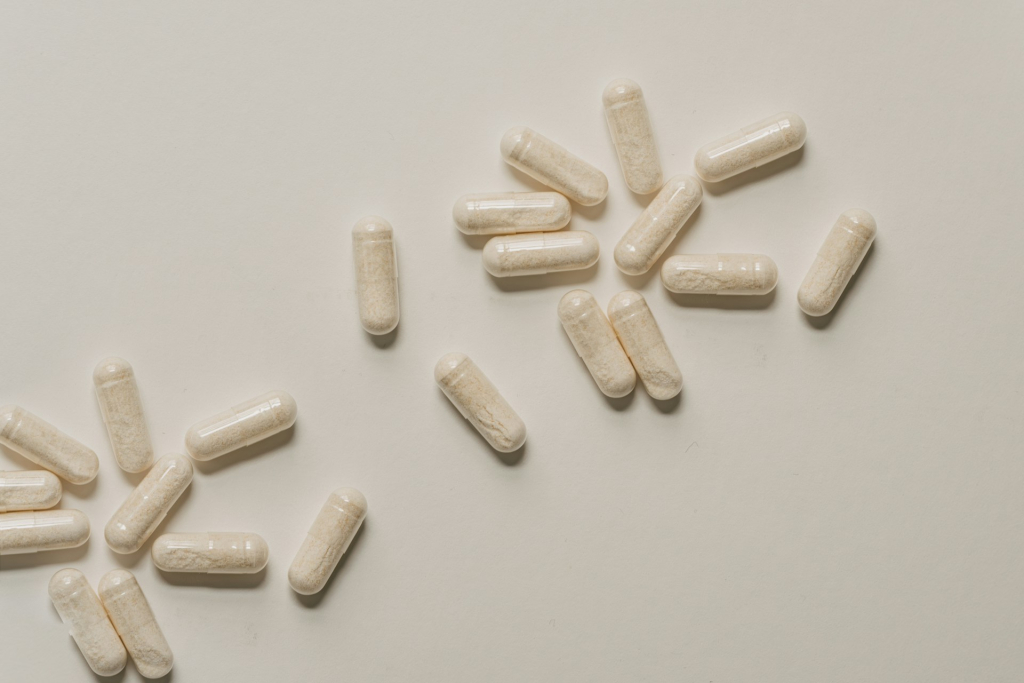
That said, modern eating habits and fast food can sometimes leave gaps in nutrition, which is why supplements on supermarket shelves are tempting options for many.
Other Factors That Affect Hair Health Besides Biotin
Remember, while biotin has a solid reputation, it’s not a magic fix for hair health on its own. Hair care is a complex process influenced by many factors. Eating well, staying hydrated, exercising regularly, and managing stress all play a part in keeping your hair in great shape. Plus, be mindful of your hair care routine—avoid excessive heat and harsh chemical treatments.
Genetics often play a big role in hair issues, and supplements can’t change that. But if you notice changes in your hair’s health, it’s a good idea to consult a professional—whether a dermatologist or a trichologist—to find the best approach for you.