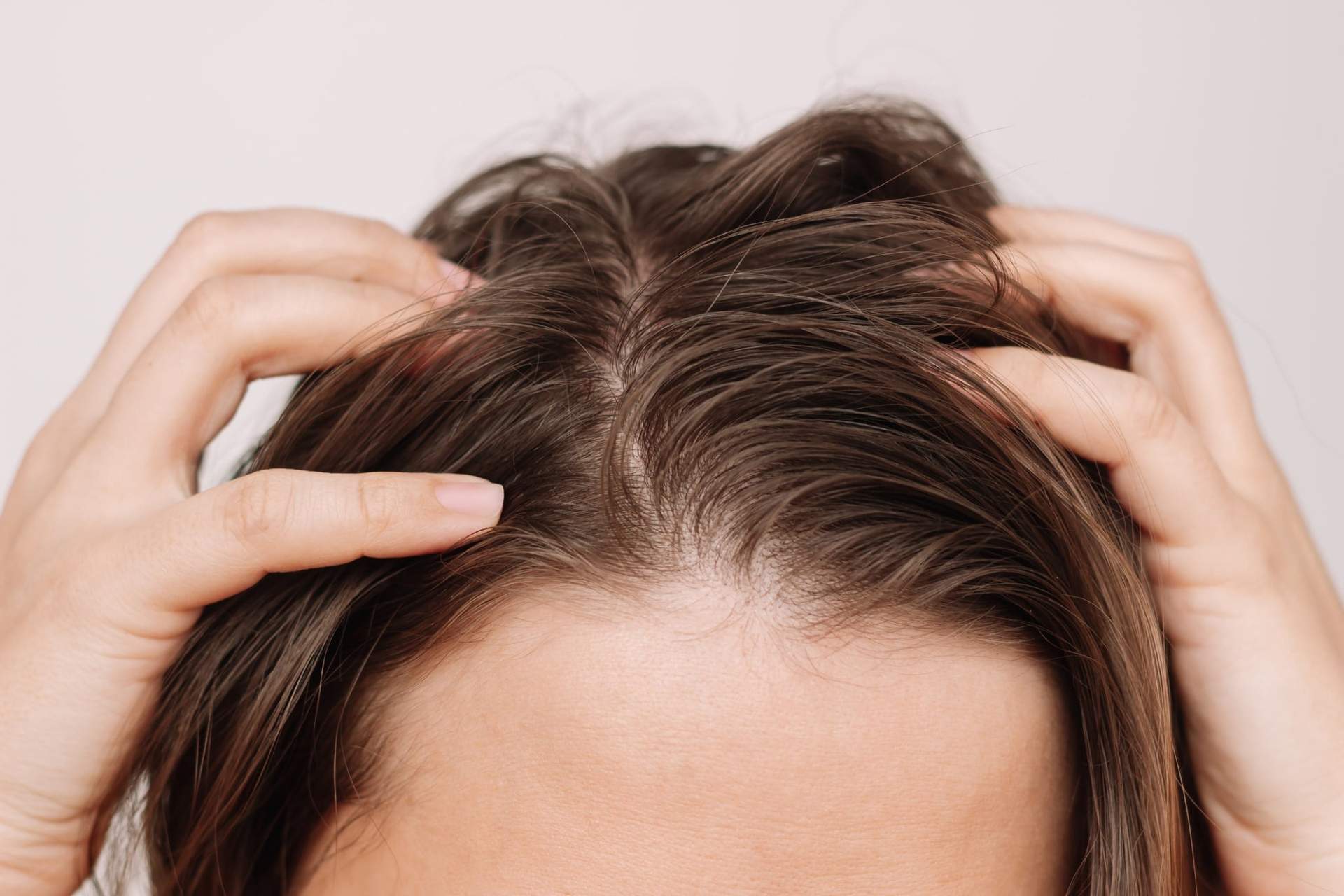
There is a particular kind of low-grade misery that arrives with the heating. You take your hat off in the office, run a hand through your hair, and a small snow of flakes lands on a dark jumper. You have already bought the medicated shampoo. You have already used it. And your scalp is still tight, still itchy, still flaking by Thursday. Before you spend money on a fourth bottle, it is worth knowing that most scalps that stop responding have not become immune to anything — they are being treated with the wrong technique, or the wrong problem is being treated altogether.
Autumn genuinely changes your scalp
Three things tend to shift at once. Indoor heating drops the humidity in every room you sit in, so skin everywhere loses water faster, including the skin under your hair. Showers get hotter and longer, which strips the lipids that keep that skin comfortable. And hair-washing often gets less frequent, because wet hair in cold weather is a nuisance — which means more days of product, dry shampoo, sweat under a beanie and sebum sitting on the scalp before anything gets rinsed away.
That last point matters more than people expect. Washing less is good advice for dry lengths and a sensible scalp. It is poor advice for a scalp that is already flaking, because the flora that drive classic dandruff feed on scalp oils. Leaving those oils in place for five days and then attacking them with a strong shampoo tends to produce the pattern everyone complains about: clear for a day, itchy again by the weekend.
Technique beats strength almost every time
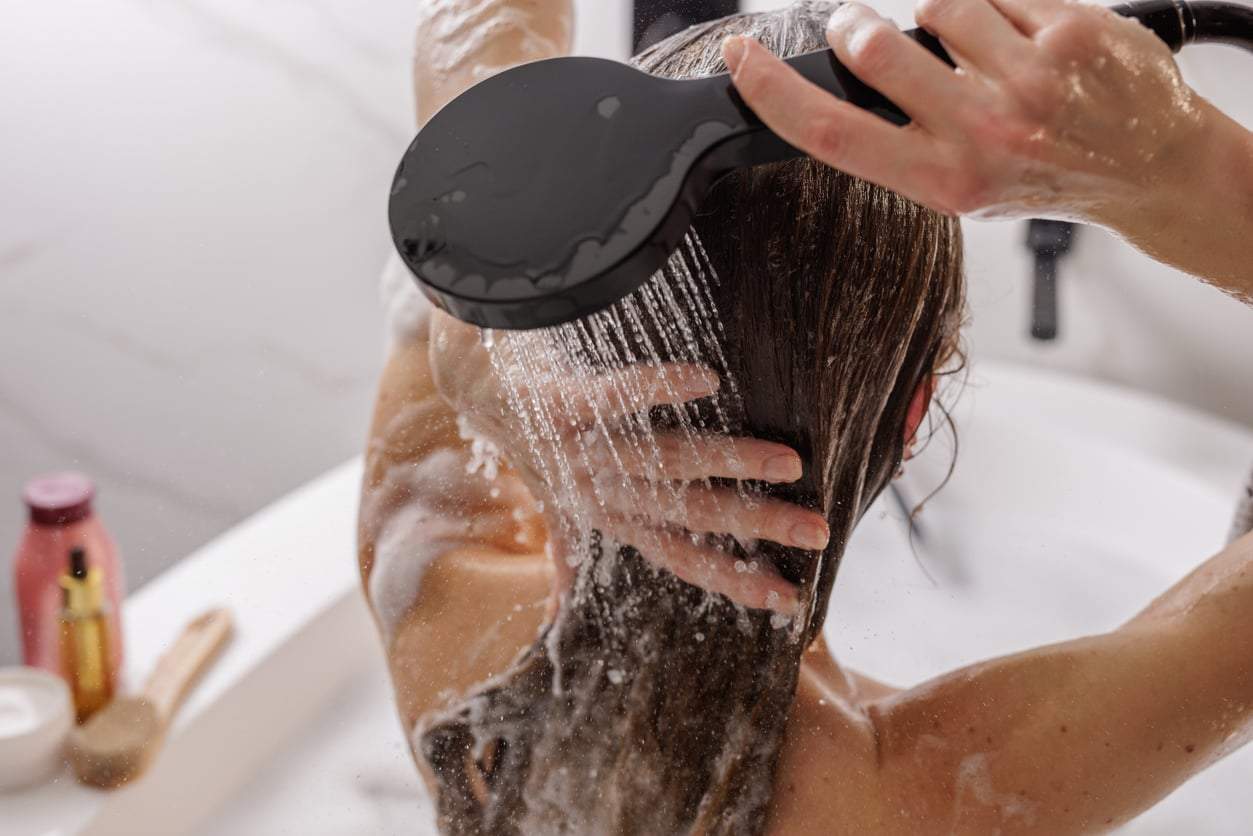
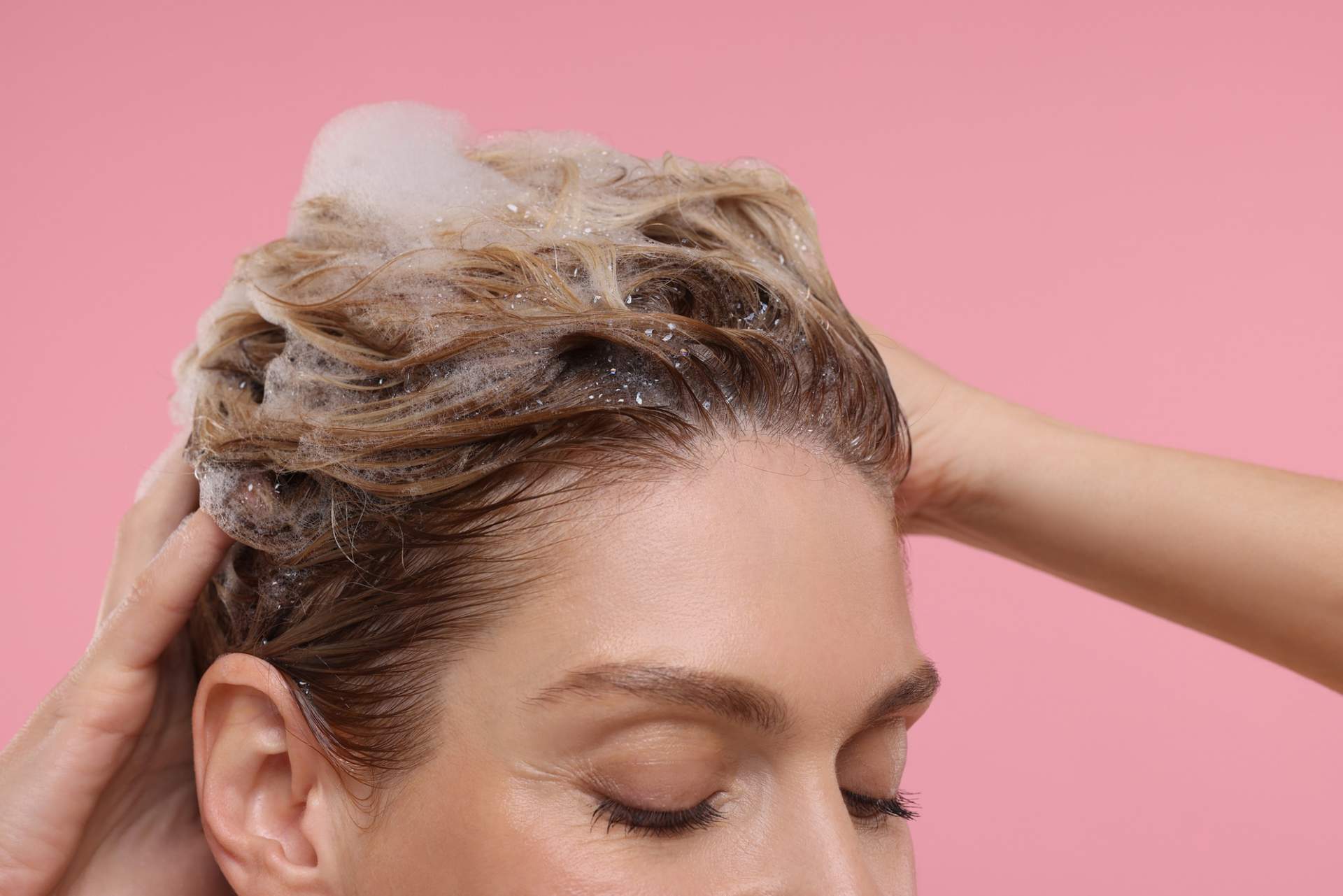
Medicated shampoos work through active ingredients — zinc pyrithione, selenium sulfide, ketoconazole, salicylic acid, coal tar among them — and almost all of them need contact time. Most people lather, panic about their hair feeling rough, and rinse within thirty seconds. Instead, part the hair in sections and apply the shampoo to the scalp itself rather than the lengths, massage it in with the pads of your fingers for a full minute, then leave it on for three to five minutes while you do the rest of your shower. Rinse thoroughly — residue itches as much as flakes do.
Two more small changes help. Stop scratching with your nails, in the shower and out of it; a scratched scalp becomes an inflamed scalp, and inflammation produces more flaking, not less. And rotate: use the medicated shampoo twice a week and a plain, gentle shampoo in between, rather than hammering the same active every day until the scalp is parched. If one active has clearly stopped helping after a couple of months, try a different one rather than a stronger version of the same thing.
What to add, and what to quietly drop
A pre-wash scalp oil, applied for twenty minutes and then properly shampooed out, can loosen stubborn buildup and ease the tight feeling — but it should not be left on overnight if you flake, because you are effectively feeding the problem. A gentle scalp exfoliant used once a week can help with the layered, slightly waxy flakes that come from months of styling product, though be sparing if your skin is reactive.
The drop list is shorter and more effective: dry shampoo used three days running, heavy silicone-rich styling creams applied near the roots, very hot water, and hats worn for hours on damp hair. None of these cause dandruff on their own, but together they create exactly the warm, occluded, residue-heavy environment that keeps it going.
Is it dandruff or just a dry scalp?
They feel similar and are treated differently, so it is worth looking closely. Dry scalp tends to produce small, fine, white flakes, often alongside dry skin elsewhere, and improves with gentler washing, cooler water and more moisture. Classic dandruff flakes are usually larger, yellowish and slightly greasy, often sitting with redness and a persistent itch, and they respond to anti-fungal or anti-microbial actives rather than to moisturiser alone. If gentle care makes things better, it was probably dryness; if only medicated shampoo touches it, it was not.
How often should I wash my hair if my scalp is itchy?
For most flaky, itchy scalps, more often rather than less is the right direction — every other day, or at minimum three times a week, with the shampoo concentrated on the scalp and a conditioner kept to the mid-lengths and ends so the hair itself does not suffer. If your scalp settles but your lengths feel straw-like, that is a conditioning problem to solve separately, not a reason to go back to washing weekly. And if the itching is severe, if you see thick plaques, bleeding, weeping, bald patches or no improvement after several consistent weeks, book an appointment with your GP or a dermatologist rather than working your way through the shelf — some scalp conditions need prescription treatment, and they are far easier to settle early.