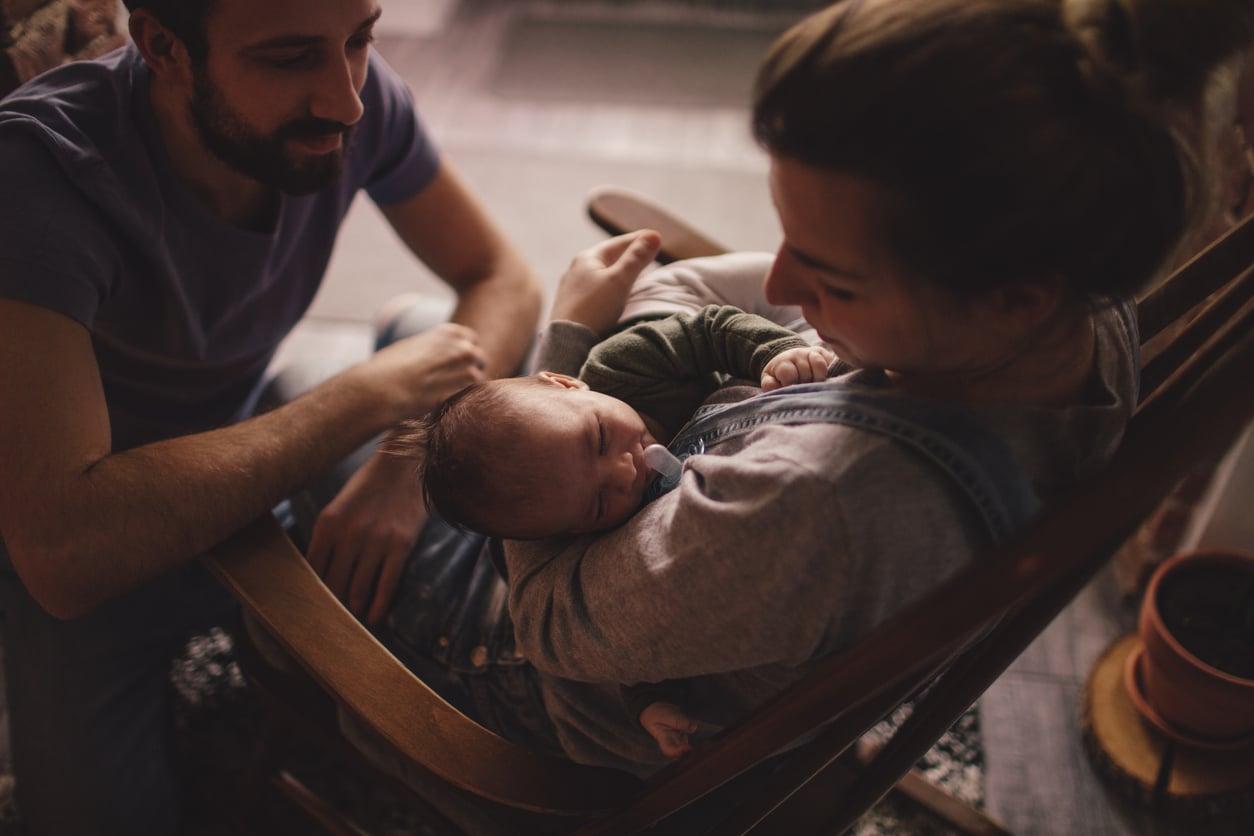
I vividly remember our first night at home. When my daughter cried for the first time, her dad and I jumped out of bed like a bomb had gone off next door.
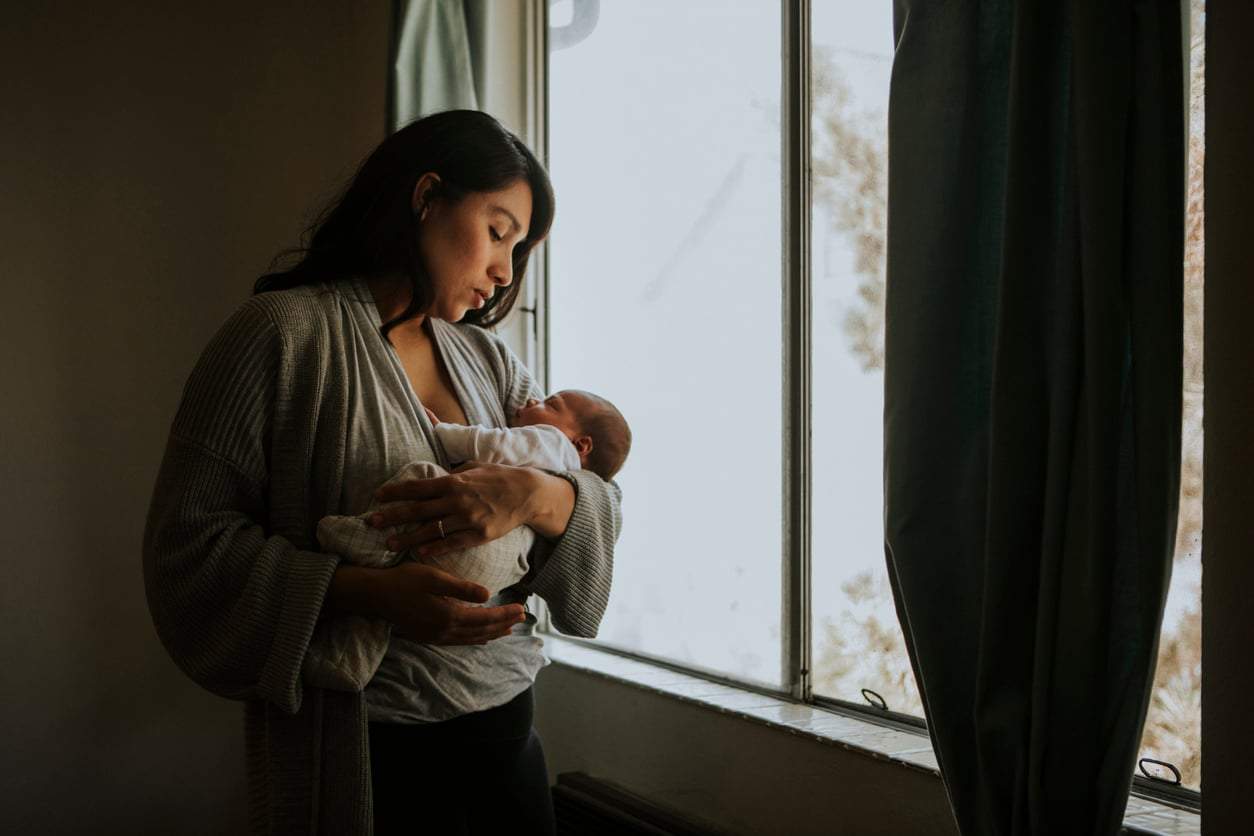
Weeks passed, and nighttime feedings became part of the routine. Often, my partner peacefully slept beside us while my daughter and I dozed off in the quiet dim light. Over time, he woke up less and less, while I startled at every little sound and sigh. Maybe now, with my daughter almost ten, I’m finally relearning how to sleep deeply.
Do dads really not hear their babies crying?
Or do they just get comfortable in the quiet of the night? This debate is as old as parenthood itself, but a recent study sheds new light.
A study by Vermillet, Skewes, and Parsons (2025) published in Emotion shows that men are slightly less likely to wake up to soft sounds than women—but the difference is very small, contrary to common myths.
Women are 14% more likely to wake up to quiet, whisper-like crying, but when the crying gets louder (like a real baby’s cry), there’s no difference between men and women.
So biologically, men don’t "hear worse" at night; the tiny difference found doesn’t explain why moms wake up three times more often with their babies.
Unequal sharing of the "night shift"
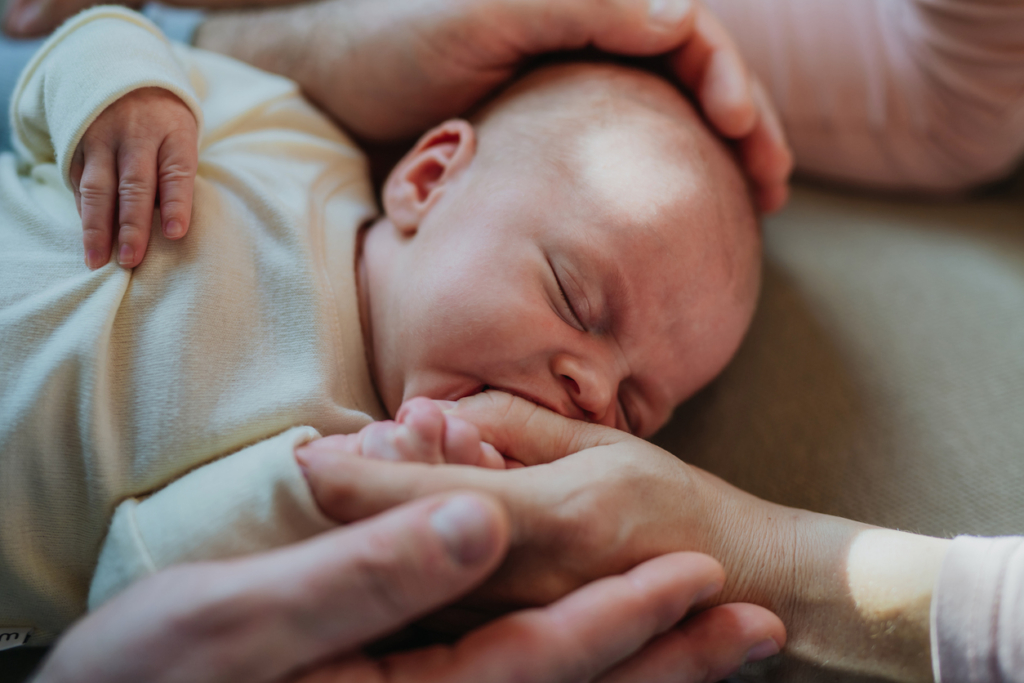
The study found that moms and dads woke up equally only 23% of the time, and dads woke more often in just 1% of cases. This points to social patterns, not biology, as the main reason for the uneven night awakenings.
Before we say “dads have to work too,” even in countries like Denmark—where both parents get 24 weeks of parental leave and equality is strongly supported—moms still carry most of the night shift.
Of course, breastfeeding plays a huge role in why moms get up with babies, and hormonal changes can affect how alert new parents are.
Research shows that oxytocin and prolactin released during breastfeeding make moms more sensitive to baby’s sounds—as if their brains are on call 24/7.
Psychologists say women’s brains become conditioned over the years: they respond to tiny noises so often that they eventually wake up at every sound. Meanwhile, men’s brains—though they hear the crying—tend to stay in rest mode more often.
Is this unfair?
Maybe it’s just a natural result of how caregiving is divided in families. Still, this study confirms that when dads take on more nighttime care, it not only eases moms’ lives but benefits babies too.
In families where dads wake up more often, babies sleep better and wake less, dads build stronger bonds with their kids, and moms report fewer sleep problems and greater satisfaction—not just with their sleep but with their relationships as well.