In one of TasteAtlas’s recent rankings, several Hungarian desserts surprisingly scored low, even though they’re undisputed classics here at home. What makes this list unique is that it’s based on international user reviews, reflecting taste clashes and popular opinion rather than objective quality. What feels like childhood and celebration to us might come across as too sweet, too heavy, or simply "unfathomable" in other cultures. Let’s explore which desserts sparked the most mixed feelings — and why we still love them anyway!
Russian Cream Cake
To international palates, Russian Cream Cake often feels too rich and old-fashioned: lots of cream, heavy whipped cream, little contrast, and the rum flavor doesn’t always match today’s preference for clean, light desserts. For us, though, a slice is pure nostalgia we wouldn’t dream of reinventing.
Chestnut Slice
The bold, earthy flavor of chestnut is unusual for many foreigners, especially in a dessert. The creamy, buttery texture combined with intense sweetness can be overwhelming if you didn’t grow up with it. But for us, that dense, full flavor is exactly what we crave — plus, it’s deeply tied to the winter holiday season, adding emotional warmth.
Layered Pancakes
Pancakes are a light, quick dessert in many countries, but the layered version can be shockingly heavy and dense. The filling, baking, and layering combine to create more of a main course feel — but not quite that either. This dessert isn’t trying to be trendy; it’s filling and comforting — which is why it doesn’t win over international crowds.
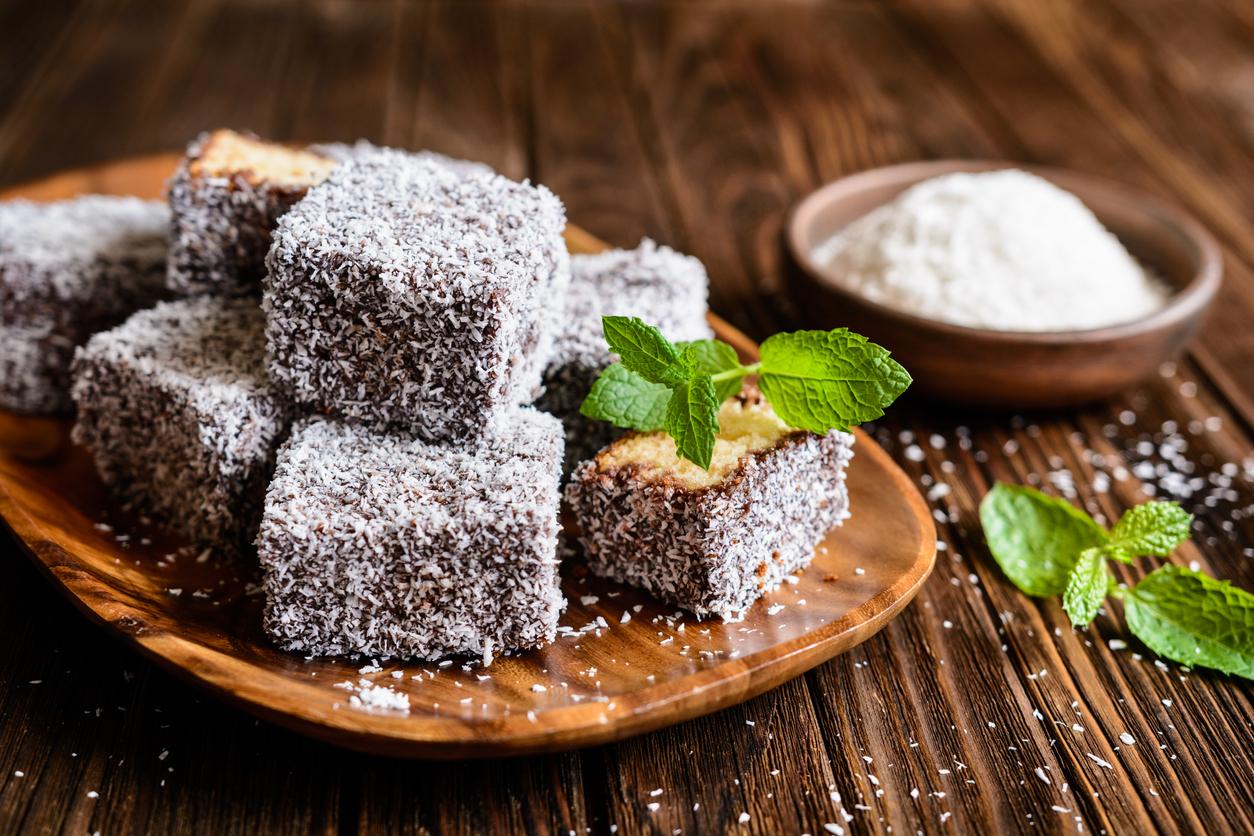
Coconut Squares
The texture greatly affects how coconut squares are perceived: the syrup-soaked sponge can feel too wet or "soggy" to many, while the coconut often seems dry and heavy. For us, though, this cake is a staple of homemade hospitality — not always pretty, not always consistent, and usually sinfully sweet — but it always disappears.
Walnut Cake
The distinct, slightly bitter taste of walnuts divides opinions, especially among those used to chocolate or fruit-based cakes. Also, walnut cakes often feel drier, which doesn’t help their international ratings. But we appreciate that deep, bold flavor and satisfying texture!
Poppy Seed Roll
Poppy seeds are one of the most divisive ingredients worldwide — suspicious in some countries, even illegal in others. The dense filling combined with sweet dough makes this dessert too heavy for many foreigners. But for Hungarians, the poppy seed roll is an essential, traditional holiday treat.
Poppy Seed Bread Pudding
The idea of a dessert made from stale rolls feels strange to many, so it’s no surprise poppy seed bread pudding made this list. The poppy seeds remain divisive, and since this is more comfort food than refined dessert, it’s no wonder it didn’t score high. For us, though, it’s simply a spoonful of childhood.
Poppy Seed Pasta
The combo of boiled pasta and sugar is unfathomable to most cultures, and adding poppy seeds only deepens the confusion. So it’s no shock this dessert scored low internationally. We, however, see poppy seed pasta not as a dessert but as a quick, cozy meal.
Flódni
Flódni’s layers, flavors, and cultural background are wonderfully complex: the mix of poppy seeds, walnuts, apples, and plum jam can feel overwhelming to many foreigners. But here, that’s exactly its charm — a perfect dessert that embraces all the best autumn flavors.
Semolina Porridge
In many countries, semolina porridge is seen more as baby food than dessert, and its texture and simplicity often lead to it being underrated. For us, it’s one of the strongest comfort foods — and we can’t judge it objectively. The cinnamon sugar or cocoa topping isn’t a food trend, but a memory.