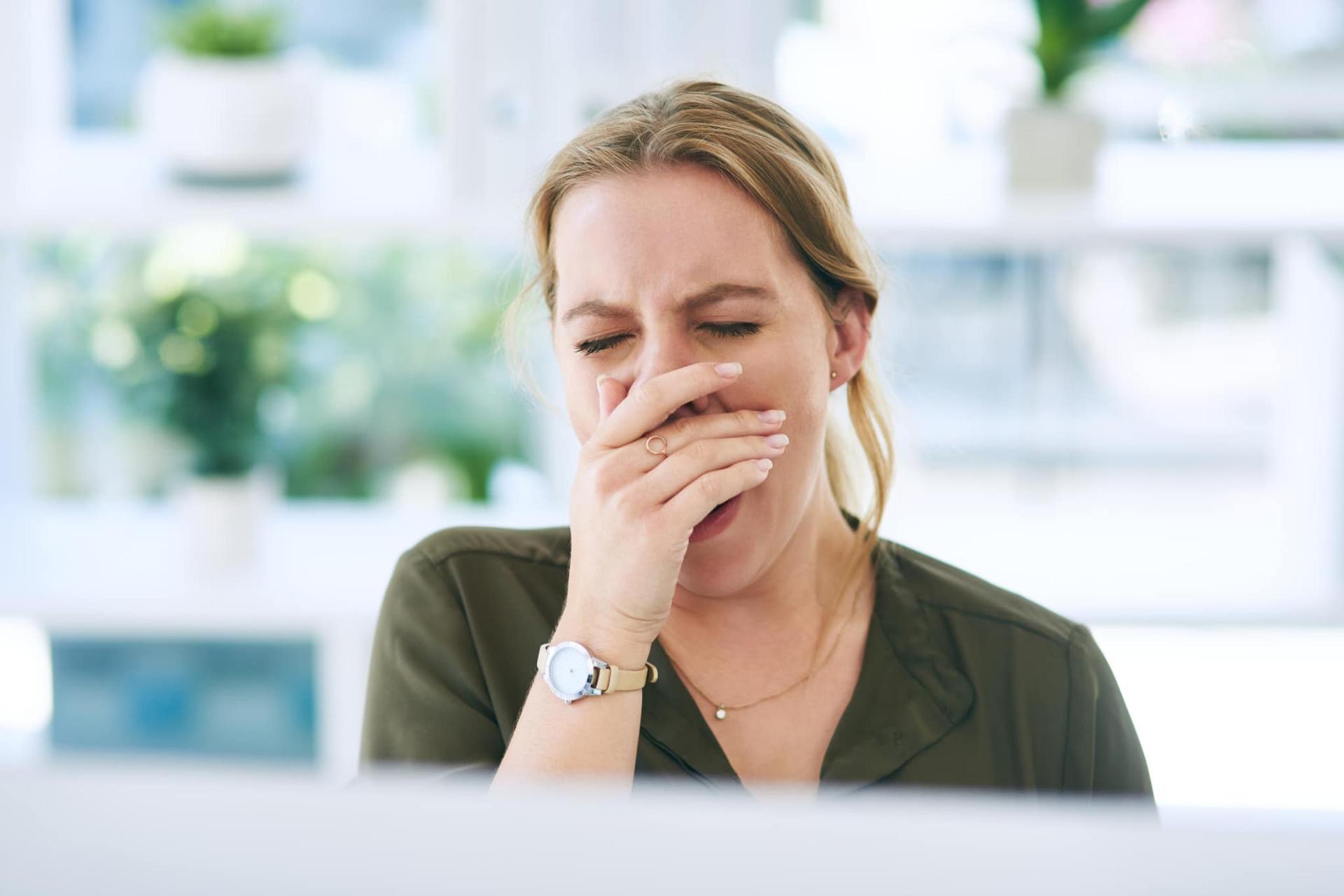
Sleepiness Is No Joke
“Sleepiness is a serious health issue that affects individuals and society alike—from road accidents to workplace errors to long-term health damage.”
Experts say that at least 7-8 hours of restful sleep daily is essential to maintain our health. Lack of it can lead to problems such as type 2 diabetes, depression, high blood pressure, heart and kidney diseases, obesity, or even stroke - writes CNN.
Boring Meeting or Sleep Deprivation? It Matters!
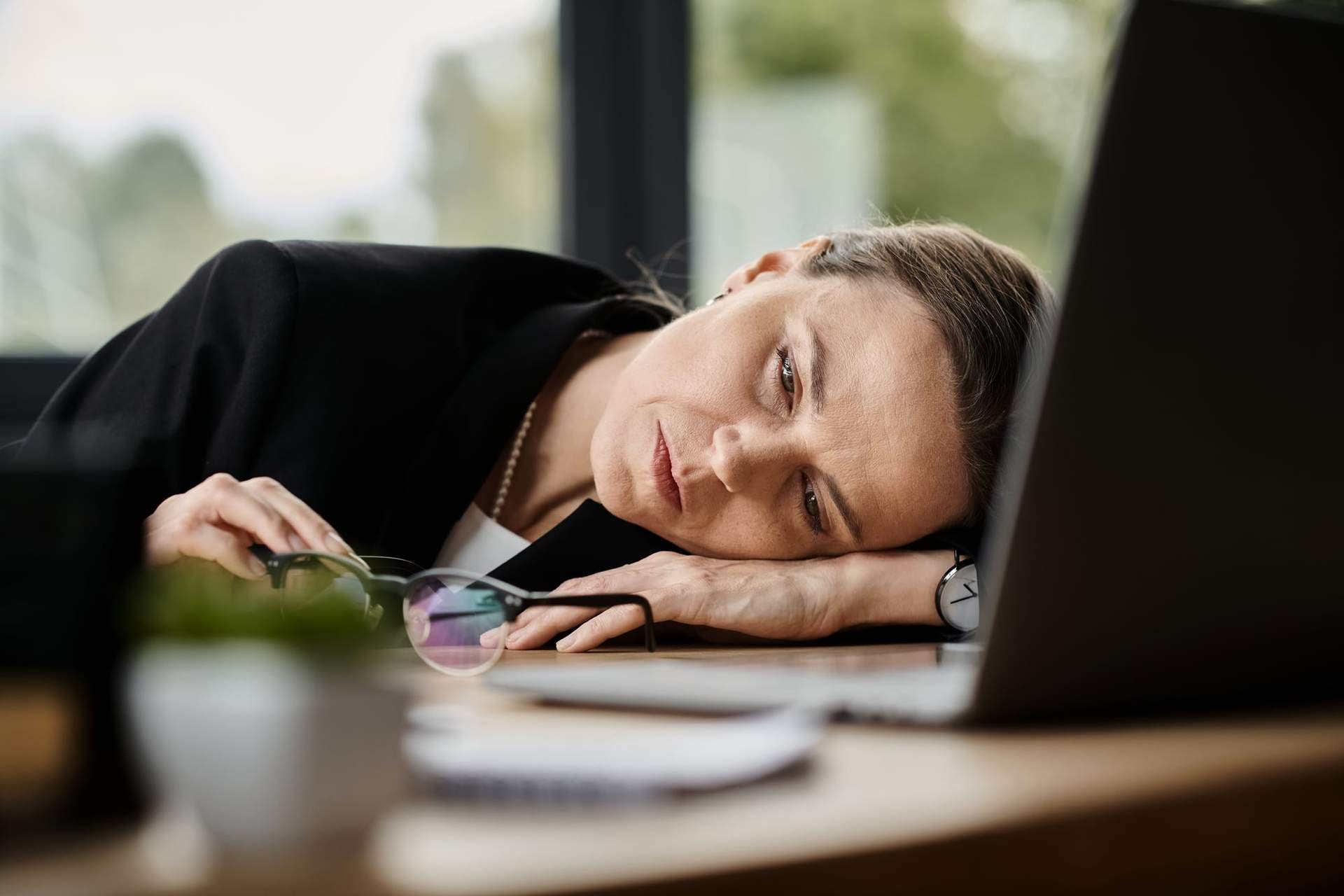
Signs of sleepiness—such as dozing off in a meeting—are often simply attributed to boredom, but this can also be a clear symptom of sleep deprivation. “Someone who is truly well-rested will not fall asleep in a meeting, no matter how boring it is,” said Dr. Kristen Knutson, neurologist and sleep expert at Northwestern University. She added that if someone regularly experiences daytime sleepiness, it’s worth consulting a doctor, as there may be an underlying sleep disorder.
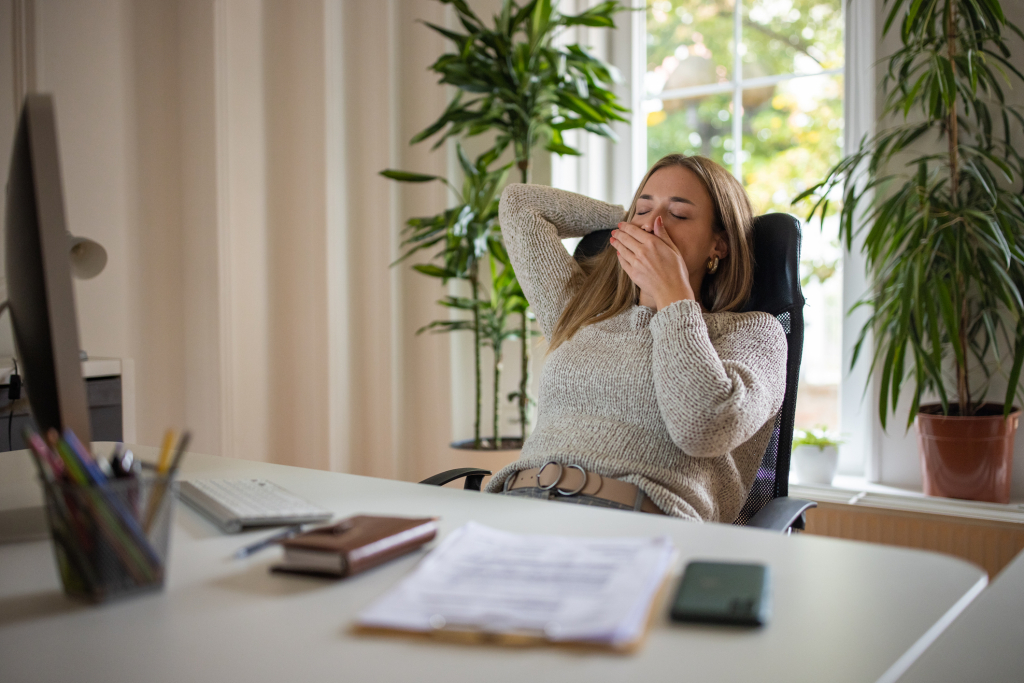
You Might Not Even Notice If It’s Serious
The body eventually gets used to sleep deprivation and learns to "mask" it. So it’s not guaranteed that we notice when we face a serious problem. “With chronic sleep deprivation, we can no longer realistically assess how burdened we are. We think everything is fine while in reality we are piling mistake upon mistake,” said Dr. Indira Gurubhagavatula, professor at Penn Medicine and AASM expert.
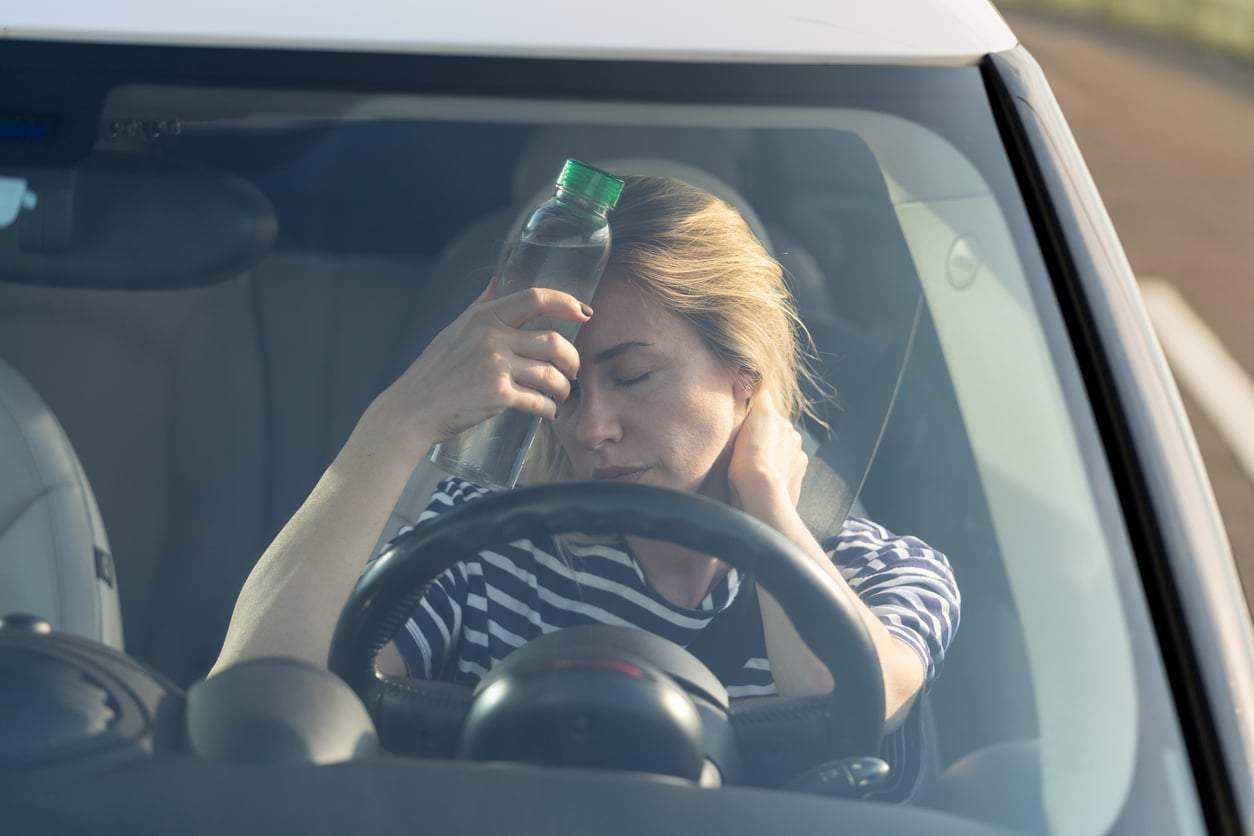
A particularly dangerous phenomenon is so-called microsleep, which involves brief lapses of a few seconds when the brain essentially "shuts down." You may not even notice this, but if you are driving or operating machinery, it can be life-threatening.
How to Know If Your Sleepiness Is at a Dangerous Level
There is a simple questionnaire, the Epworth Sleepiness Scale, with which you can check how severe your sleepiness is. You need to rate situations (0–3), such as:
- dozing off while watching TV,
- napping on a quiet afternoon,
- getting sleepy on a long car ride as a passenger,
- or while sitting and talking.
The maximum score is 24, but experts say that a score above 10 already requires intervention.
There Can Be Many Physical Signs If Something Is Wrong
Increasing sleepiness not only causes concentration problems. The body also signals if something is wrong: drooping eyelids, trembling hands, dizziness, and even impulsive behavior may occur.
Besides not getting enough sleep due to busy schedules, experiencing a lot of stress, or facing a sleep disorder (e.g., sleep apnea, insomnia, restless leg syndrome), it’s important to know that many other factors can contribute to sleep deprivation.
These include excessive caffeine consumption or improper timing of caffeine intake, lack of exercise, alcohol consumption before bedtime, poor sleep environment (e.g., bright, too cold/hot, or noisy bedroom), and certain medications can also cause sleep difficulties.

What You Can Do If You Are Often Sleepy During the Day
If you are often sleepy during the day, the following steps may help:
- try to go to bed at roughly the same time every night and get up at the same time every morning,
- arrange your bedroom to be calm, dark, cool, and quiet,
- avoid caffeine after 2 p.m.,
- and avoid alcohol and digital device use before bedtime.
However, if you remain regularly sleepy, it is worth visiting a sleep expert to find out exactly why you can’t get enough rest and what you can do to change that.
Finally, never forget: your sleepiness might not just be a sign of a bad day but an invisible danger creeping slowly and insidiously into your life. Rest is not a luxury but a basic necessity, and your health may depend on it. Therefore, always listen to your body, fix your sleep habits, and give yourself a chance to truly feel well!