Texture does a lot of the work. Grey can look flat and administrative in thin synthetics, so aim for anything with a bit of surface: a marl, a rib, brushed wool, a soft flannel. Rust in silk or satin picks up light and reads dressier; rust in suede or knit stays grounded and daytime.
If you want a third colour, cream is the safest and deep olive the most interesting. Navy works if you commit to it fully. Avoid adding black to the mix once you've built the rust-grey base — it tends to flatten both.
Does this work if I'm cool-toned and warm colours usually wash me out?
Often yes, because you get to control the distance. Keep the rust away from your face — as trousers, a skirt, a bag, a shoe — and let a cool grey sit at the neckline where it flatters you. If you do want rust near your face, look for versions with more pink or red in them, like brick or a deep terracotta, rather than the yellowy oranges, and break the contact with a cream or grey collar or scarf.
What shoes and coat go with rust and grey?
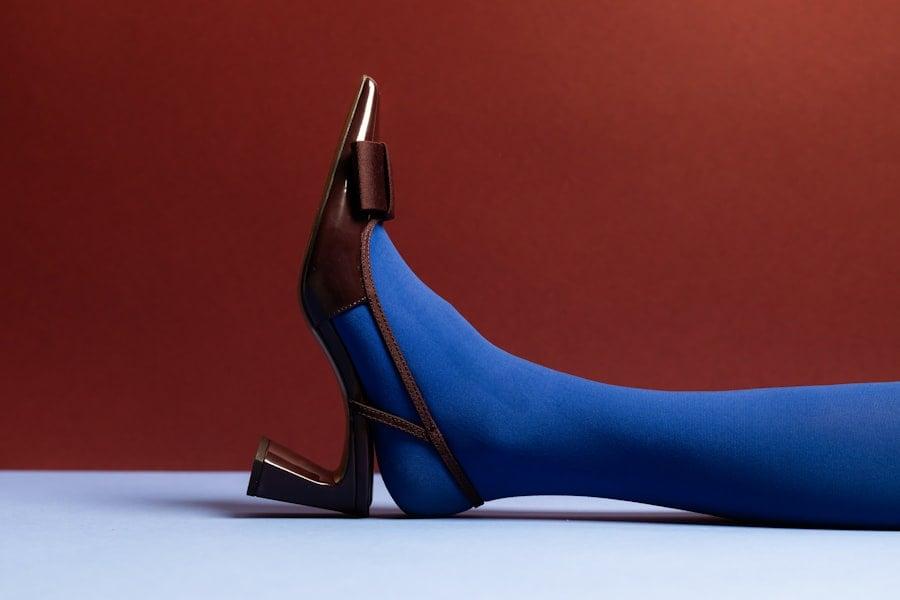
Brown in every shade is the natural answer: tan loafers, chocolate boots, a cognac ankle boot all sit comfortably in this palette and feel less severe than black. Burgundy is the quietly excellent alternative and makes the whole thing look considered. For outerwear, camel, cream, olive or a mid-grey coat all work; if your only coat is black, keep a rust or grey scarf at the collar so the black reads as a frame rather than the outfit's main event.