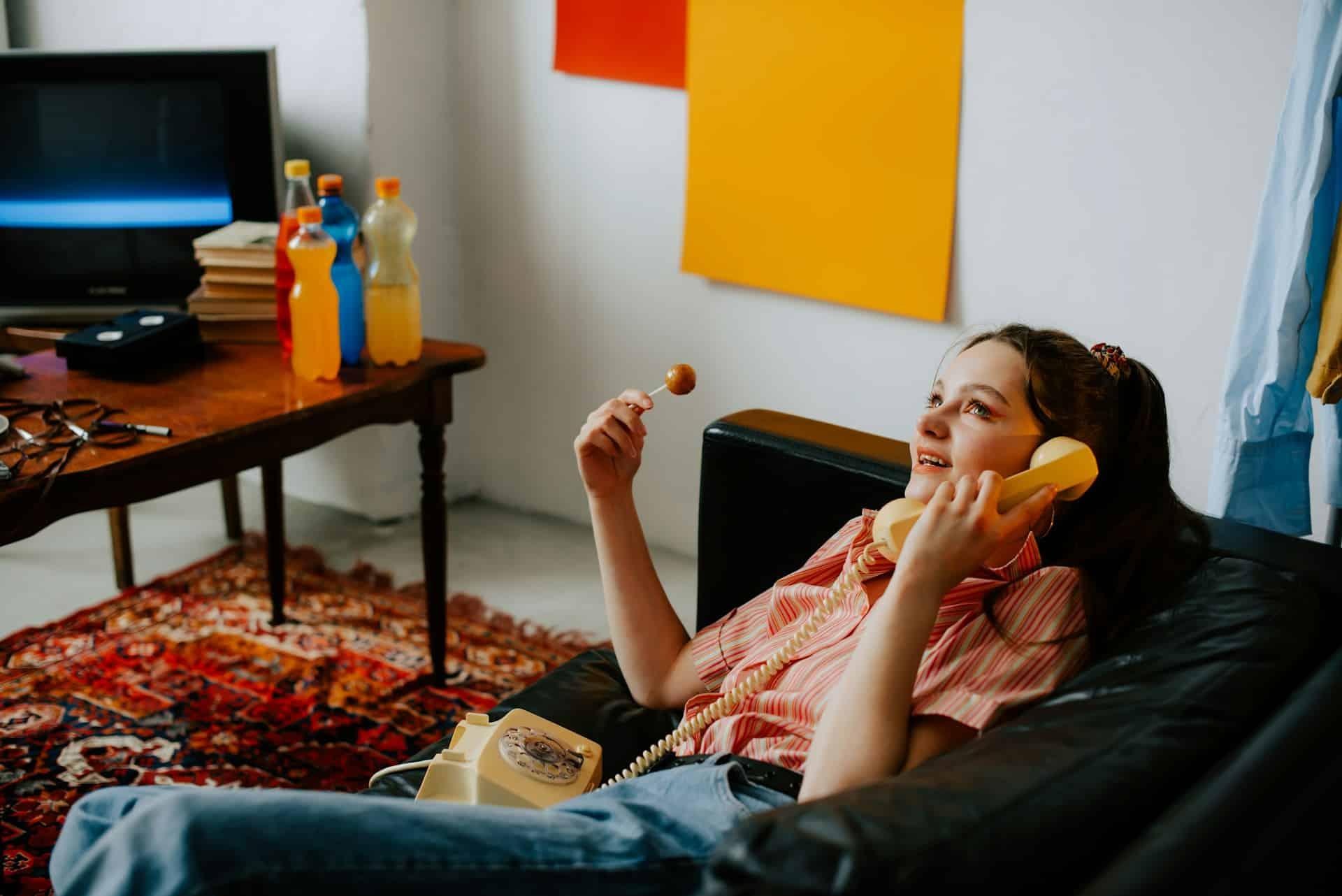
The ’90s teenage years were filled with a raw, yet boundless sense of freedom. It’s something that’s completely vanished now—we can’t even catch its scent in the air. And this change isn’t just from our perspective: research, sociological studies, and parents’ stories all show that today’s teen life plays out on a very different stage.
So what changed so drastically? Where did those unforgettable moments of our youth disappear to?
The “Just Because” Hangouts Are Gone
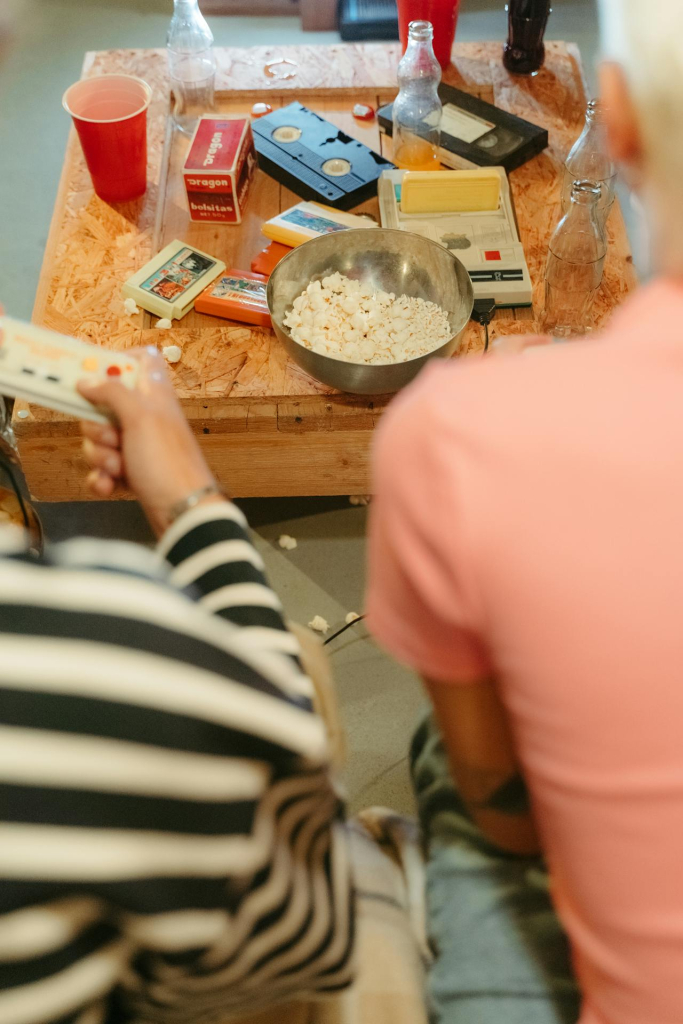
Back in the ’90s, there was magic in just dropping by the square, the park, or wandering the city without a plan. Today, those old hangouts have either closed, changed beyond recognition, or just aren’t safe anymore. Cheap bakeries have been replaced by pricey coffee shops, and there are fewer spots where today’s teens can simply be together without an agenda.
And here’s the hardest part: this shift doesn’t just kill social experiences—it also stunts identity growth. A teen from a less privileged background often can’t afford what their peers can, missing out on more and more. It’s not just about cliques (we had our share too), but about building who they are.
Freedom Has Become a Luxury
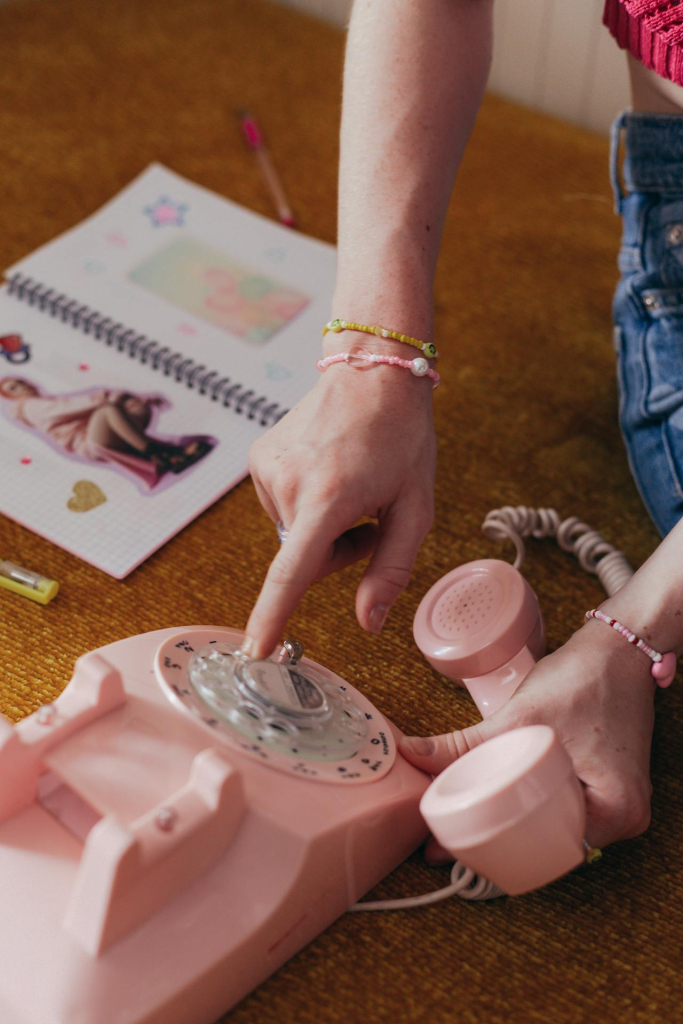
Remember the first time you went home alone from school? Or mailed a letter by yourself? I was terrified the first time, but the pride I felt afterward still stays with me. Nowadays, overprotective parenting—sometimes for good reason—often cuts kids off from the path to independence.
According to the Berkeley Political Review, this “protective bubble” does reduce some risks but also robs young people of chances to make mistakes and learn from them. Confidence doesn’t come from praise—it grows from real successes, and that only happens when we let teens try.
The Mental Health Crisis Is No Longer Abstract

On the bright side, it’s a huge relief that seeing a therapist is no longer stigmatized. But on the flip side, WHO data shows more teens than ever are struggling with anxiety, depression, or burnout-like symptoms. Social media—where most teens spend hours daily—holds up a constant mirror: “Look, you’re not where I am, you don’t look like me, and you’ll never achieve as much.”
News Is More Overwhelming Than Ever—and Always Within Reach

Today’s teens can access every tragedy in the world with a tap—often without filters, context, or explanation, even when they’re not looking. Endless scrolling starts early in adolescence, and according to Akron Children’s report, most parents aren’t prepared to help.
It’s worth reading the news together sometimes—or at least talking about it. Ask: What do you think? What would you do in their shoes? Can you imagine how they feel? These questions build understanding and a framework for thinking, easing that overwhelming feeling that the world is just too much.
Social Experiences Have Moved to Screens
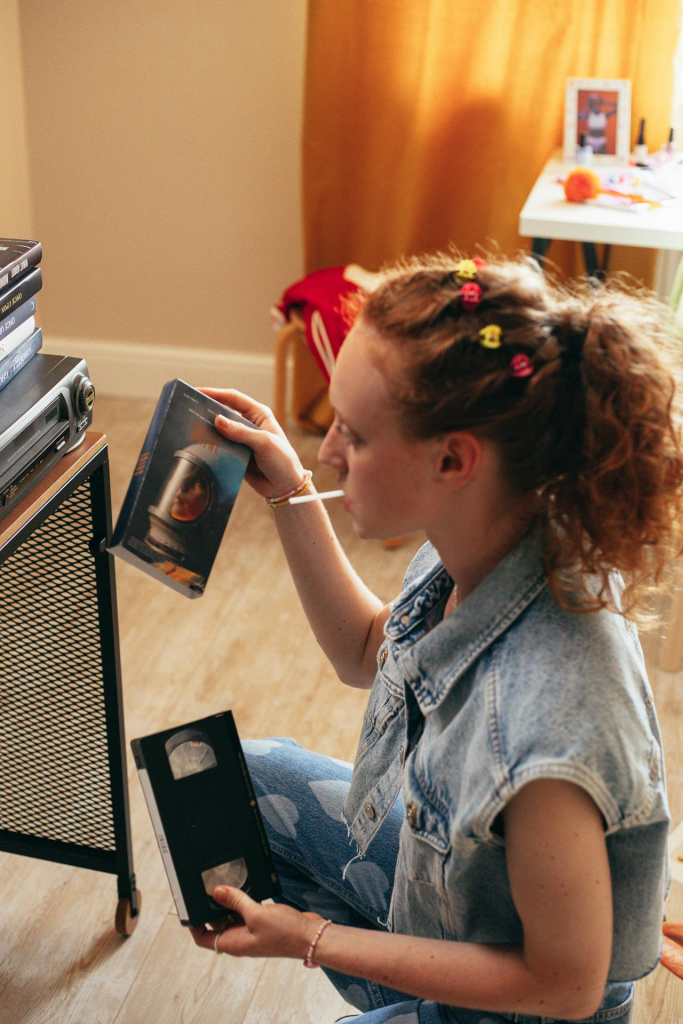
Friends don’t meet on the park bench, the pizza place by school, or the bus stop anymore. Teens connect through apps we’ve never even heard of. While this can be a lifeline for many, growing research (like Pew Research Center’s study) warns that
solely digital connections reduce empathy and weaken personal communication skills over time.
But change doesn’t need expensive programs: a pizza night at home, a movie together, or helping kids arrange a safe meetup with an “online friend” can go a long way.
Delayed Growing Up, Accelerated Pressure
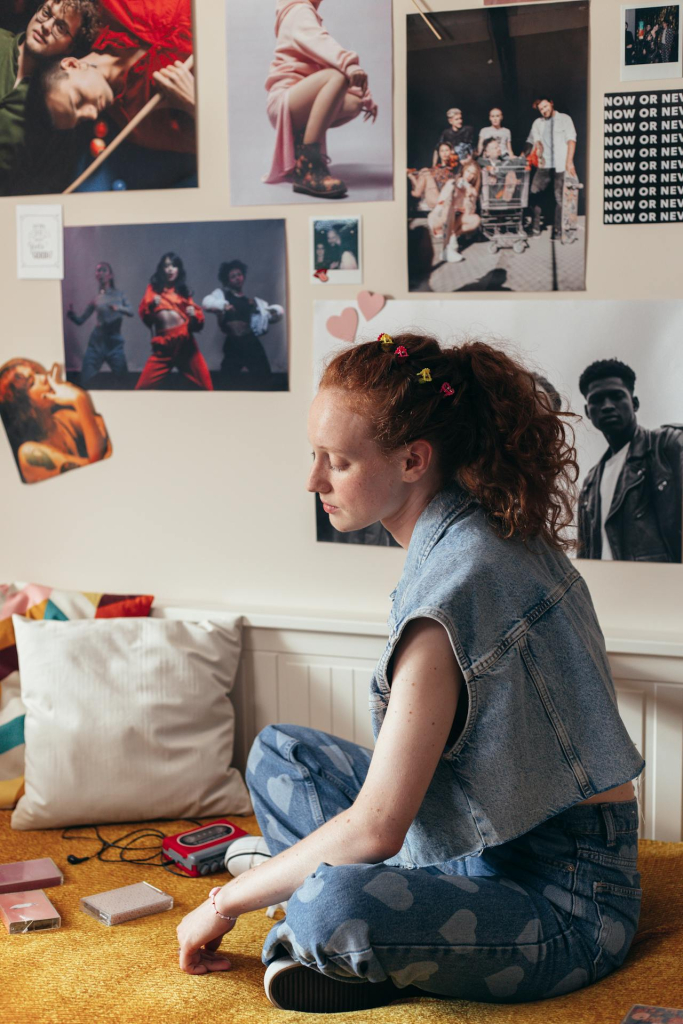
Today’s teens stay kids longer (moving out later, dating less, taking on less responsibility) but face expectations at 13 that their parents didn’t at 25. Be creative, look perfect, stay mentally strong, and know exactly what you want from life—without ever seeming lazy. This double bind is a direct path to burnout.
Why will teenage years never be the same as in the ’90s? Because spontaneity, the right to make mistakes (where nothing lasts forever), and the “I don’t know what I want but I’m free to try” phase have disappeared.
Today’s teens are smarter and more aware—but they struggle more with themselves. And while the world keeps changing, maybe it’s on us adults to create spaces—literally or figuratively—where teens can just be themselves. A cassette walkman won’t bring back the magic of the past, but honest talks about our own teen years, real presence, and letting them try might just do the trick.