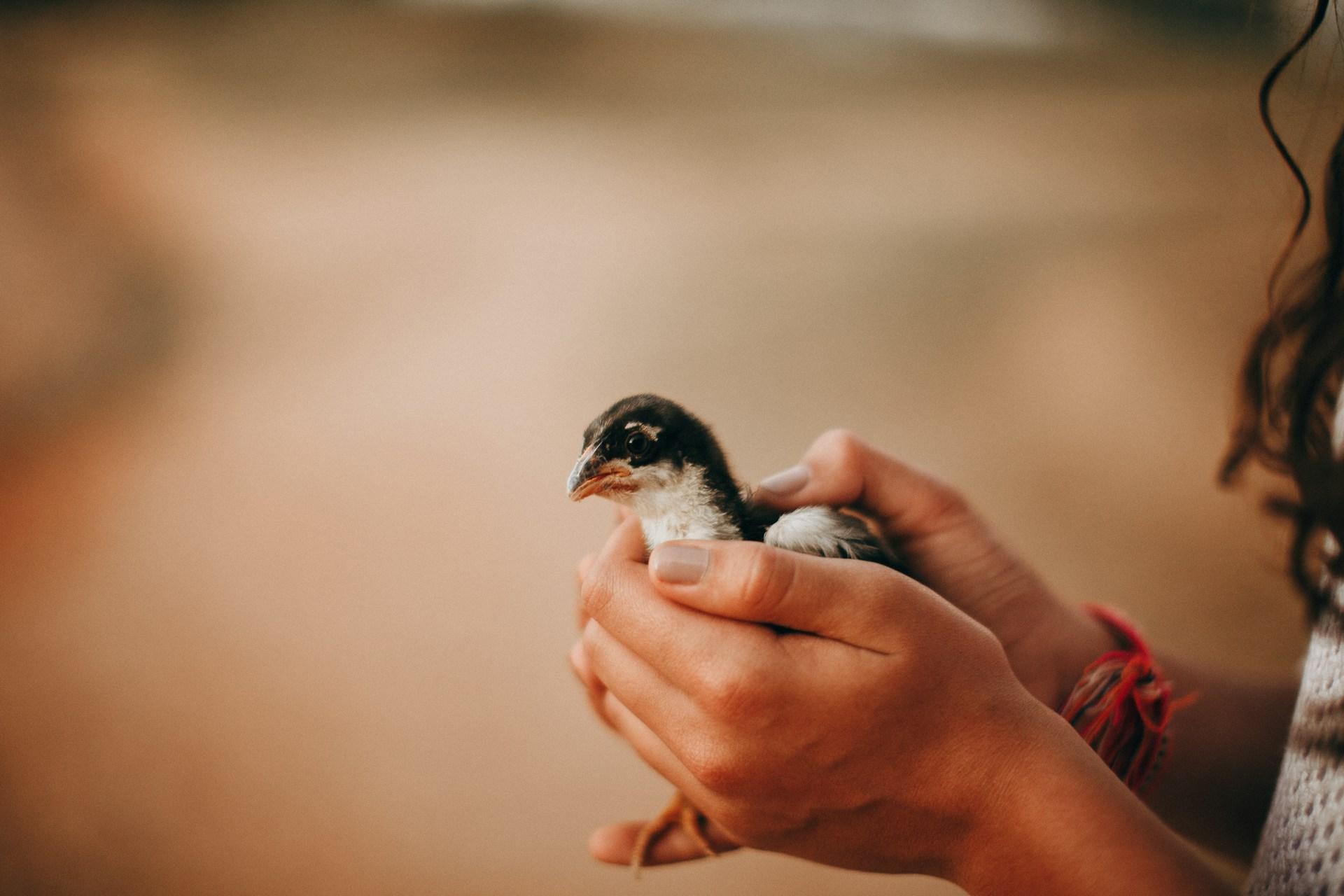
Birds are some of the most amazing creatures we share our planet with. Their loud songs, colorful feathers, and graceful flight have always fascinated us. But many don’t realize that baby birds face a tough journey to survive. In fact, up to 80% of chicks don’t make it through their first weeks. That’s why it’s so important to know how to help when a little bird needs it.
When Should You Step In?
It’s natural to want to jump in as soon as you find a baby bird, but human help isn’t always needed. First, watch the surroundings and the chick’s behavior. If the baby looks healthy and isn’t injured, but you can’t spot its nest, chances are the parents are nearby. They often keep an eye on their little one while it practices flying close to the nest.
Still, if the chick is hurt, clearly undernourished, or in danger—like in the middle of a busy road—it’s time to act. Just make sure your help is careful and informed.
How to Help Safely
If a baby bird needs help, there are a few ways to assist. The key is to be gentle and cautious. One option is to put the chick back in its nest if you can find it. Don’t worry about the myth that birds will abandon their young because of human scent—most don’t.
If the nest is missing and the chick is in immediate danger, like on the street, place it in a dark, warm box. This calm, safe space helps soothe the bird. Just be sure the box isn’t sealed tight—airflow is important.
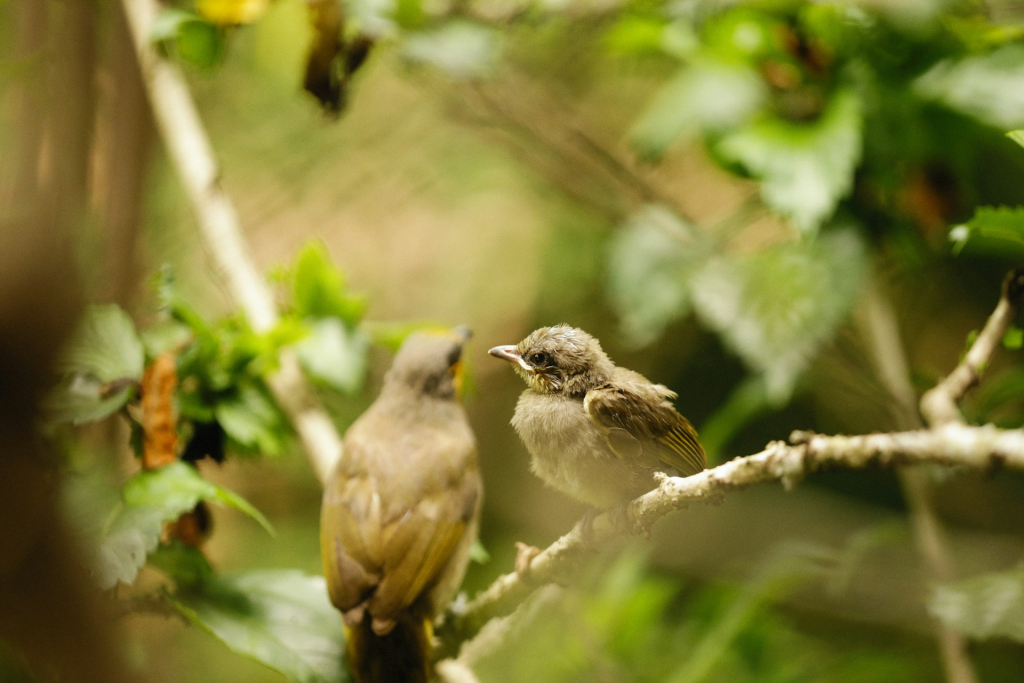
What to Do If You Can’t Find the Nest
If you can’t locate the nest or safely return the chick, contact a bird rescue organization. In Hungary, there are several centers run by expert bird rescuers. These pros provide the right care to support the chick’s healthy growth.
This step is crucial—not only because they have the know-how, but also because it gives the bird a real chance for rehabilitation and a safe return to the wild.
Risks of Trying to Rescue on Your Own
Caring for baby birds at home carries risks. Young birds need special diets that are hard to replicate, and improper care can lead to illness or other health issues. It’s also important not to tame the chick, as this lowers its chances of thriving back in nature.
Helping birds isn’t just about emergencies. A garden full of native plants attracts birds and offers food and shelter. Using feeders and water stations during winter is especially helpful when natural food is scarce.
Getting involved with local bird protection programs or volunteering at rescue centers is another powerful way to support bird populations. Every effort helps boost baby birds’ survival rates and keeps our ecosystems balanced.