Recently, I’ve been reading and learning a lot, but the more I discover about plants, the more I realize how much I still don’t know. Still, as my perspective broadens, new ingredients keep finding their way into my kitchen. For me, being mindful isn’t just about knowing which plant has fewer carbs, which has more fat, or whether to eat it in the morning or evening.
I’ve finally reached a point where, when I prepare a dish, the plants almost come alive in my hands. I know exactly why I add one for its antiviral properties and another because it contains an amino acid that improves protein absorption. I’m not saying this awareness is essential, but it definitely helps a lot.
Though I eat intuitively, I’ve maintained my weight for a long time and since switching to a plant-based diet, I haven’t been sick. Occasionally, I’ve felt like a cold might be coming on, but that was usually when I was sleep-deprived from caring for my child—so it’s no surprise my immune system felt weakened then.
Now, during the spring fasting season, I want to introduce you to one of my latest discoveries: celery stalks. I know many have been enjoying this incredibly versatile ingredient for a long time, but celery’s flavor hasn’t been my favorite. However, I chose a cleanse this season based on it—and I had to make peace with it. Totally worth it!
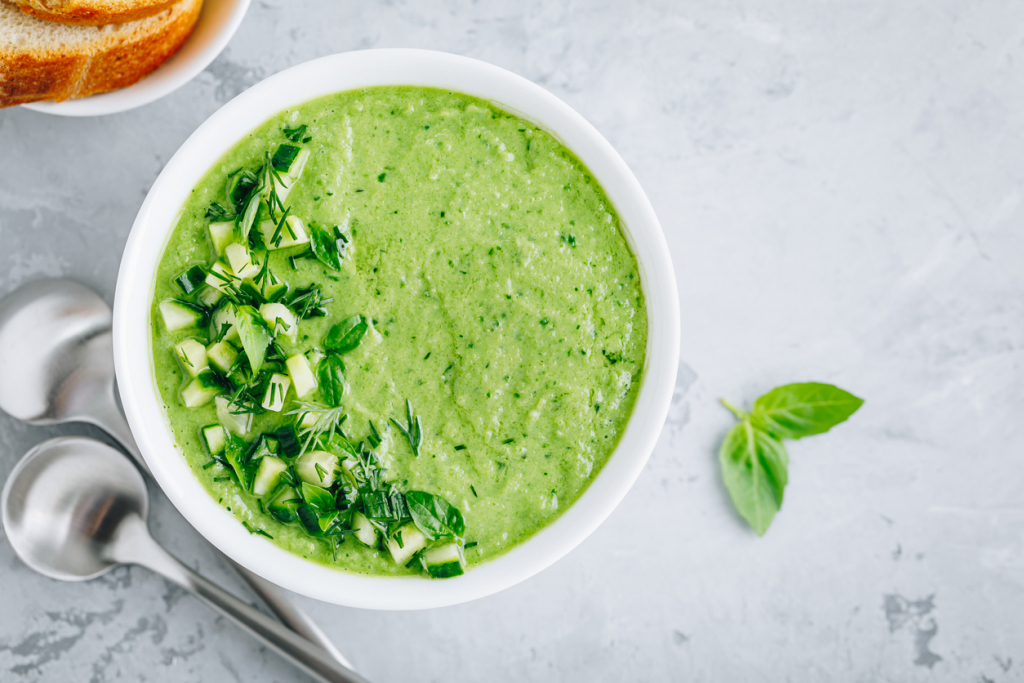
In Hungary, celery root has long been a staple, found at every greengrocer’s. It’s usually added in small amounts to soups, but in recent years it’s become popular as a creamy soup or cut into sticks as a lower-carb alternative to potatoes.
Celery stalks, also called celery ribs, are different—they’re the leafy stems, usually 30-40 cm long (about 12-16 inches). The outer parts are tougher and more fibrous, while the inner parts are tender and fresh leaves grow on them.
The flavor of celery stalks strongly reminds you of celery root but is peppery, lighter, and more refreshing. Celery belongs to the Apiaceae family, making it a relative of dill, anise, and fennel.
Why We Love It So Much
Very low in calories: Some people adore its taste, while others—like me—enjoy it mainly for its health benefits. Its flavor might be divisive, but its positive effects are undeniable.
It’s no wonder it’s a favorite among those watching their weight. Per 100 grams, it contains just 16 calories, which is incredibly low. It has only 3.3 g of carbs, 0.7 g of protein, and 0.2 g of fat. It’s packed with vitamins and minerals and is a significant source of antioxidants, making it a nutrient-dense choice.
Supports hydration: Thanks to its high water content, it helps keep you hydrated. Plus, like sports drinks, celery stalks contain plenty of electrolytes—but in a natural, body-friendly form. It also has a mild diuretic effect.
Helps with detoxification: It’s no coincidence that celery stalks are popular in various fasts and cleanses. Studies show they improve liver function and reduce inflammation. Combined with their diuretic effect, celery supports your organs and helps flush toxins from your body.
And if that’s not enough, the fiber in celery aids digestion, promotes healthy bowel movements and blood flow in the intestines, speeds up metabolism, and reduces bloating.
Celery stalks are truly a plant worth trying to include in your diet—not necessarily all the time, but definitely from time to time. You’ll find a way to make it a star in your dishes!
How to Prepare It
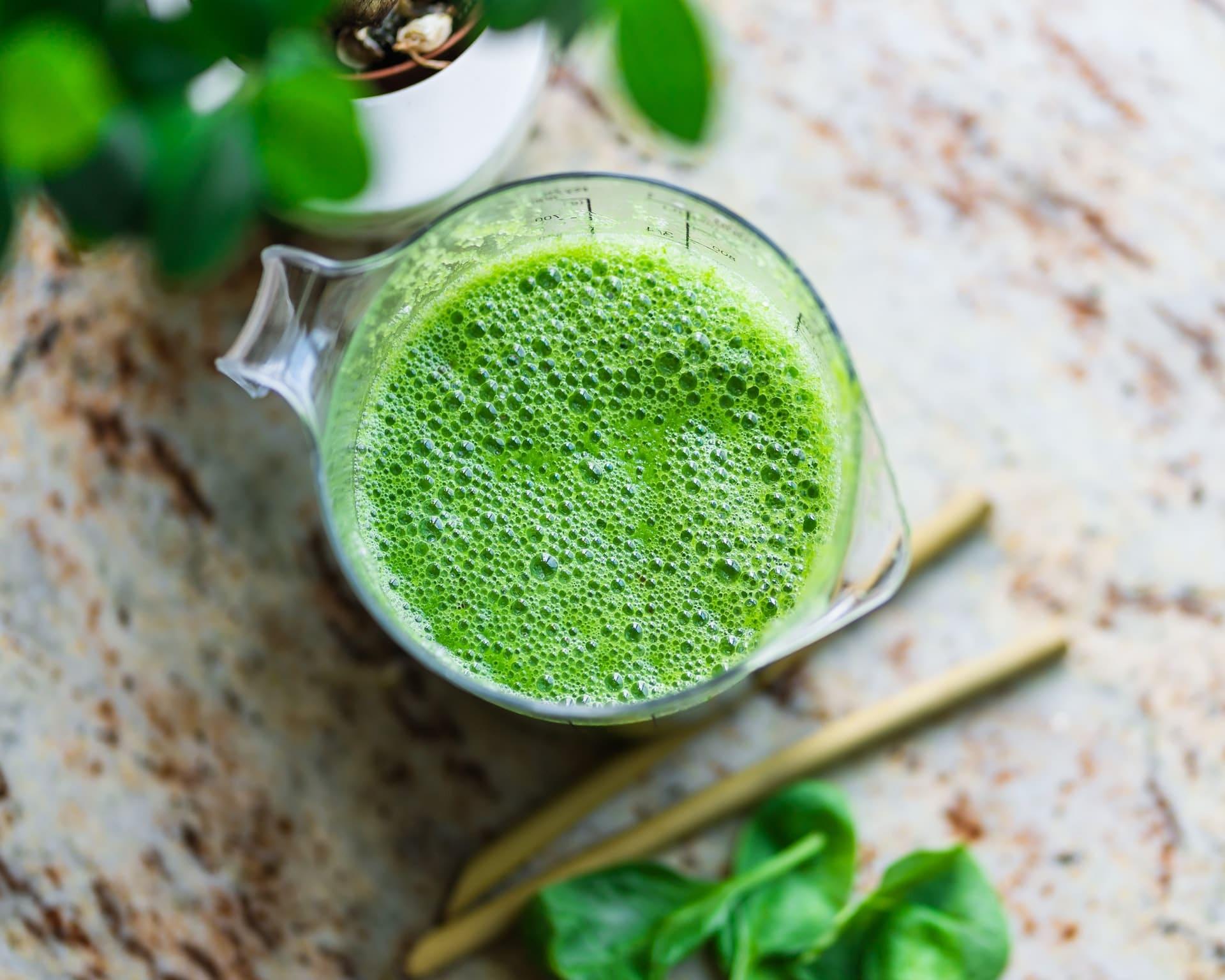
Most people enjoy celery stalks juiced or blended into smoothies. If you’re not a big fan of celery’s flavor, this can be quite intense, especially on its own. For your first tries, add complementary ingredients like ginger, lemon, banana, or cucumber. Cucumber especially helps mellow and soften celery’s bold, peppery taste.
Raw and sliced crosswise, celery stalks can be added to any dish—salads or hearty vegetable bowls. Many love them as a crunchy dipper, thanks to their crisp texture.
It’s best fresh, but you can also roast it occasionally. If you choose to roast, lay the stalks side by side and stuff them with a filling. Another option is to lightly steam or sauté the chopped stalks in a pan, which brings out a whole new flavor profile.