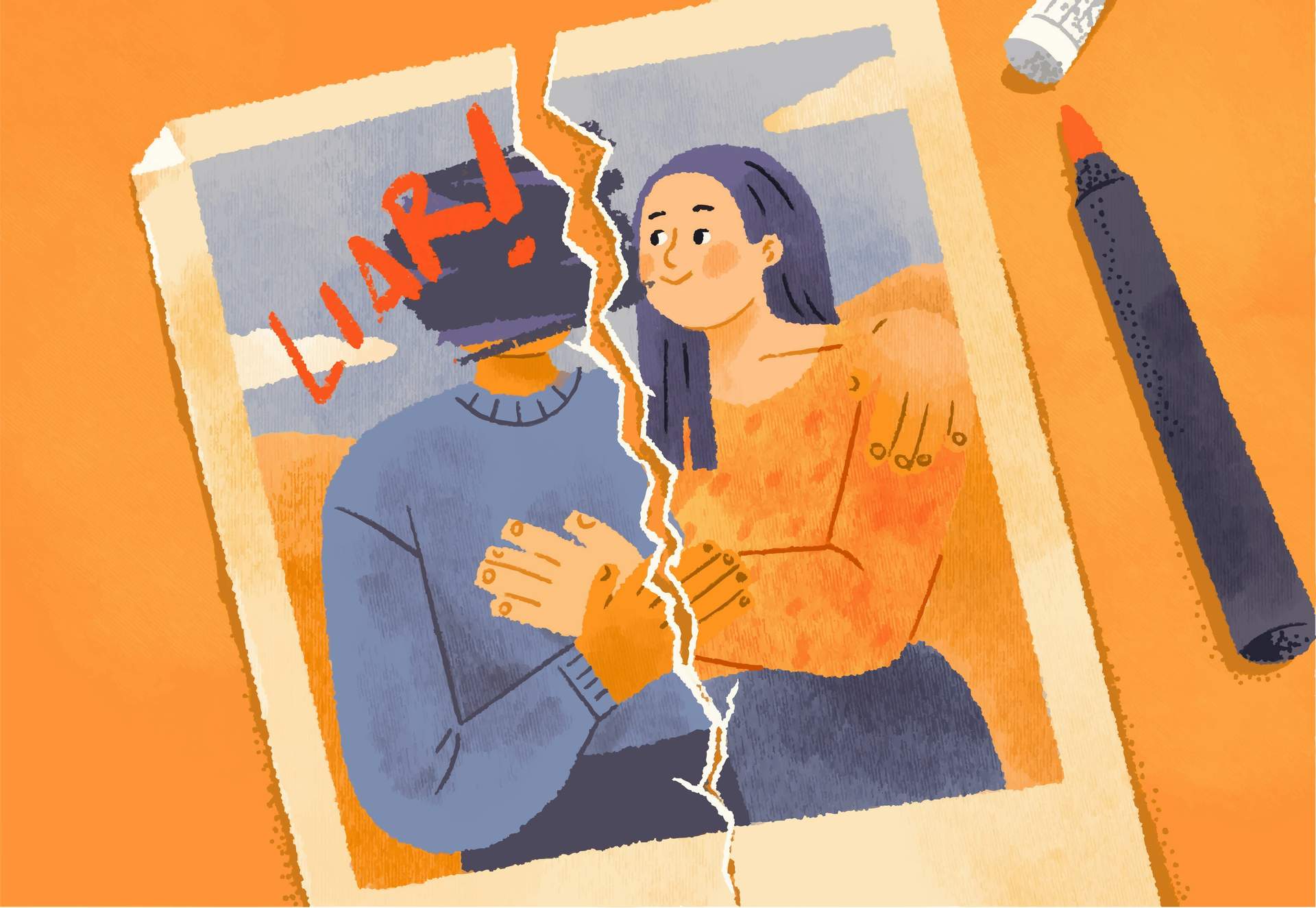
Impulse control disorder is a condition where resisting sudden, instinctive urges is really hard—even when you know they might lead to negative consequences. It’s not just about being a "fiery personality," but about how the brain’s reward system can overpower reason in the moment.
These behaviors bring short-term relief or joy, but often lead to guilt, regret, and frustration later on.
I was never officially diagnosed, but through self-discovery, it became clear I struggle with this in some form. For a long time, I thought I was just "passionate": making snap decisions, getting excited quickly, and then regretting it just as fast. But as I got to know myself better, I realized it’s not just a personality trait. It’s a way of functioning that deserves understanding and care—not shame.
My Journey
This article isn’t professional advice—it’s simply what helped me live with my impulsivity.
The first step for me was acceptance. For years, I felt guilty for every moment of joy sparked by a sudden idea. Buying something "unnecessary" or rearranging my bookshelf in the middle of the night made me feel weak or irresponsible. Now I know: my impulsivity isn’t the enemy. I’ve learned to love this side of me—seeing how much spontaneity, creativity, and energy it brings. How often it’s led me on exciting adventures or pushed me to try things I might never have dared.
I don’t want to get rid of it—just keep it in check. When an impulsive idea strikes, I pause and ask myself: “What situation would I create if I gave in to this temptation right now?”
For example, if I feel like completely rearranging the living room, I know it won’t hurt anyone. I let the momentum carry me: I move the furniture and enjoy the serotonin rush. These harmless impulses are actually good for me.
But if the urge could have consequences—like sudden spending, delaying urgent work, or hurting someone—I stop. I take the reins firmly. I ask: “Why do I want to do this now? Am I just craving novelty, or avoiding something else?”

Because impulsive behavior often isn’t about the situation itself, but about what we don’t want to feel or face. Trying a new recipe might be a harmless desire for change—but if I’m cooking just to avoid logging my weekly expenses in Excel, that’s a different story.
When I’m chasing “serotonin” in ways that could hold me back, I try to redirect the urge positively. Instead of reckless spending, I go work out. It sounds tough at first, but exercise releases the same happy hormones, so this trick usually works. If I’m avoiding a task, I make a deal with myself: I’ll try the new recipe, but while the dough rises, I’ll spend 10–15 minutes on what I’m procrastinating.

These small steps help me steer my impulses instead of being controlled by them. I won’t say it’s perfect, but most days it works pretty well. And maybe most importantly: I’m no longer fighting myself.
Impulsivity isn’t shameful—it’s a kind of energy. It might overflow sometimes, but if we learn to channel it, it becomes an ally, not an enemy. I don’t want to silence it anymore—I want to live with it, with kindness, patience, and a little humor.
These methods work for me, and I feel I’m in a good place now. But it’s important to say: if you feel overwhelmed, asking for professional help is nothing to be ashamed of. Seeking support is a powerful choice that shows you’re ready to grow.