The ten-minute physical inspection
Start with hardware, because hardware is expensive to fake convincingly and expensive to repair. Zips should run without persuasion, in both directions. Clasps should close with a definite sound. Feel the weight of buckles and chain straps in your hand — good metal has heft and cool to it, and plating wear tells you honestly how much the piece was used.
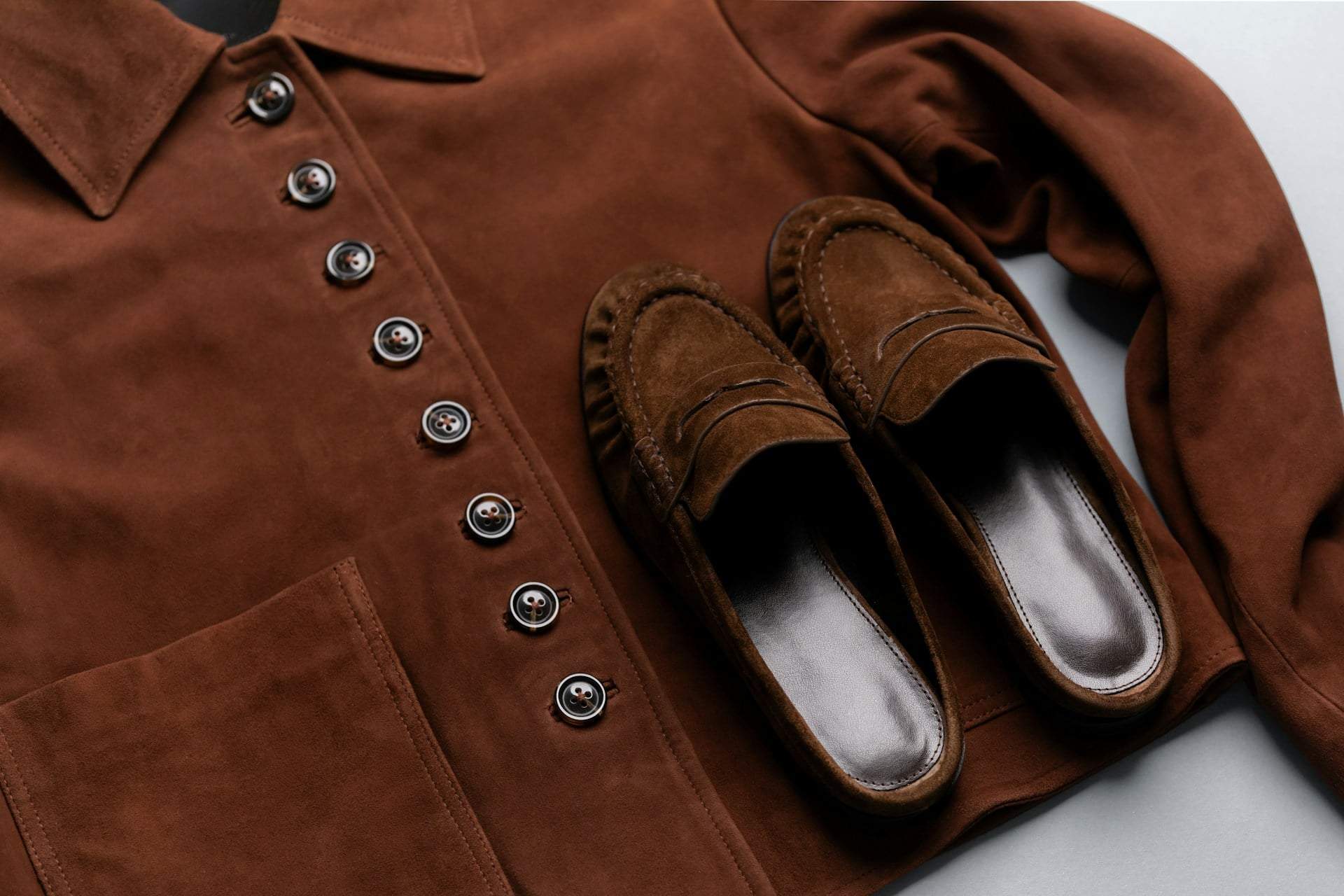
Then stitching. Look for even spacing, straight lines, and no loose thread at stress points: strap joins, pocket corners, the base of a collar. On leather, press a fingertip into the surface; quality leather springs back and smells of leather, not chemicals or sweetness. Turn things inside out. Linings are where the truth lives — pen marks, torn pockets, a seam that has been repaired hastily. Check underarms and cuffs on knits and coats, and hold wool up to a window to see thinning and moth damage before you fall in love.
Finally, smell it. Smoke and damp are the two smells that rarely come out fully, no matter what anyone promises. Old perfume usually airs. Mildew does not.
Signals that a piece is not what it claims
You do not need to be an authenticator to raise an eyebrow. Look for mismatched fonts, uneven letter spacing, or logos that sit slightly off-centre. Check whether interior labels are stitched neatly and squarely rather than glued or crooked. On anything structured, look at how the panels meet: genuine construction lines up, including through patterned fabric.
Then look at the seller rather than the item. Do they show every angle, including the base, the interior and the wear, without being asked? Do they know where and roughly when they bought it? Is there a returns window? A seller who photographs flaws honestly is telling you something reassuring about the rest of the listing. A price that is dramatically below everything comparable is not luck; it is information.