Budget for the repair, not just the purchase
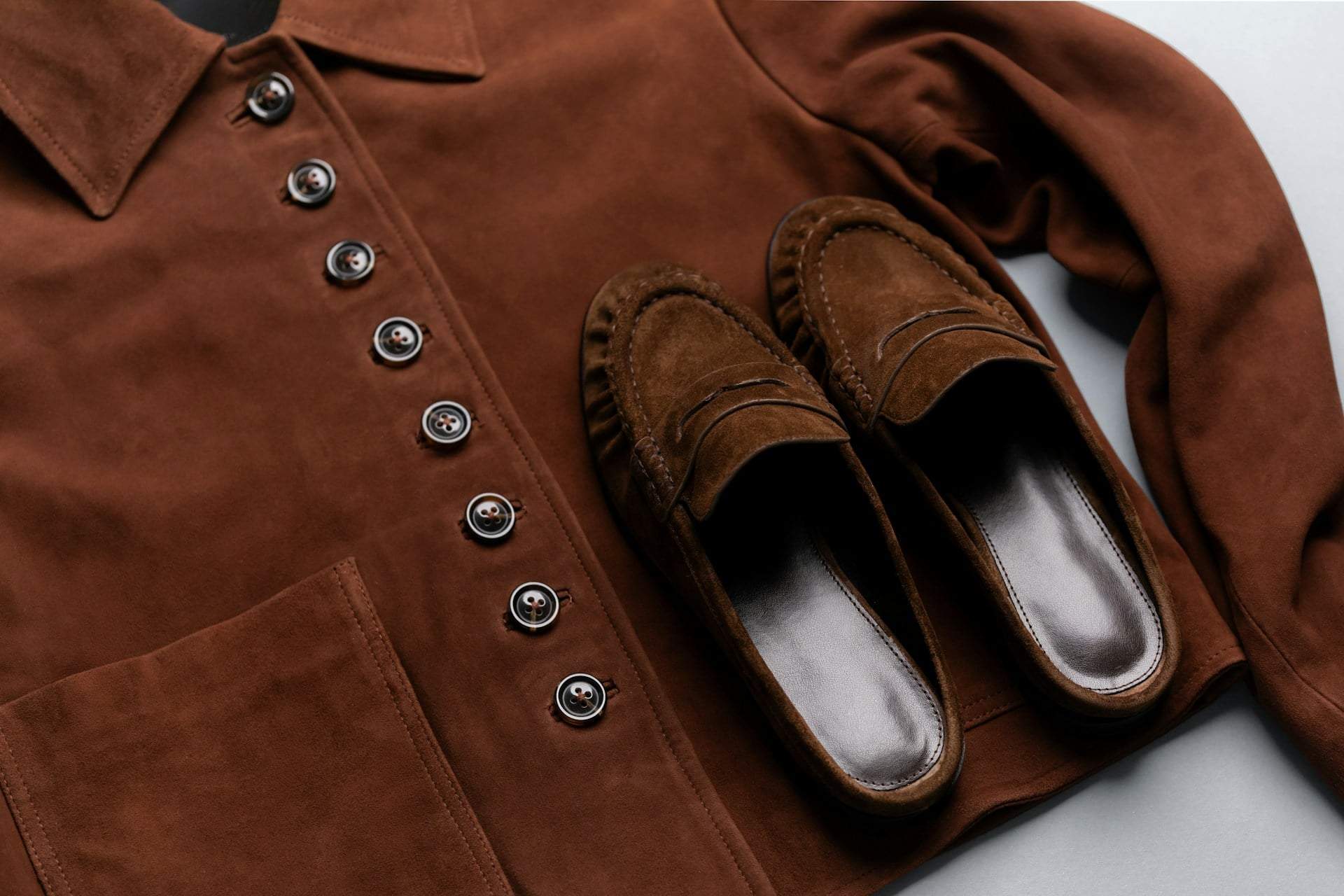
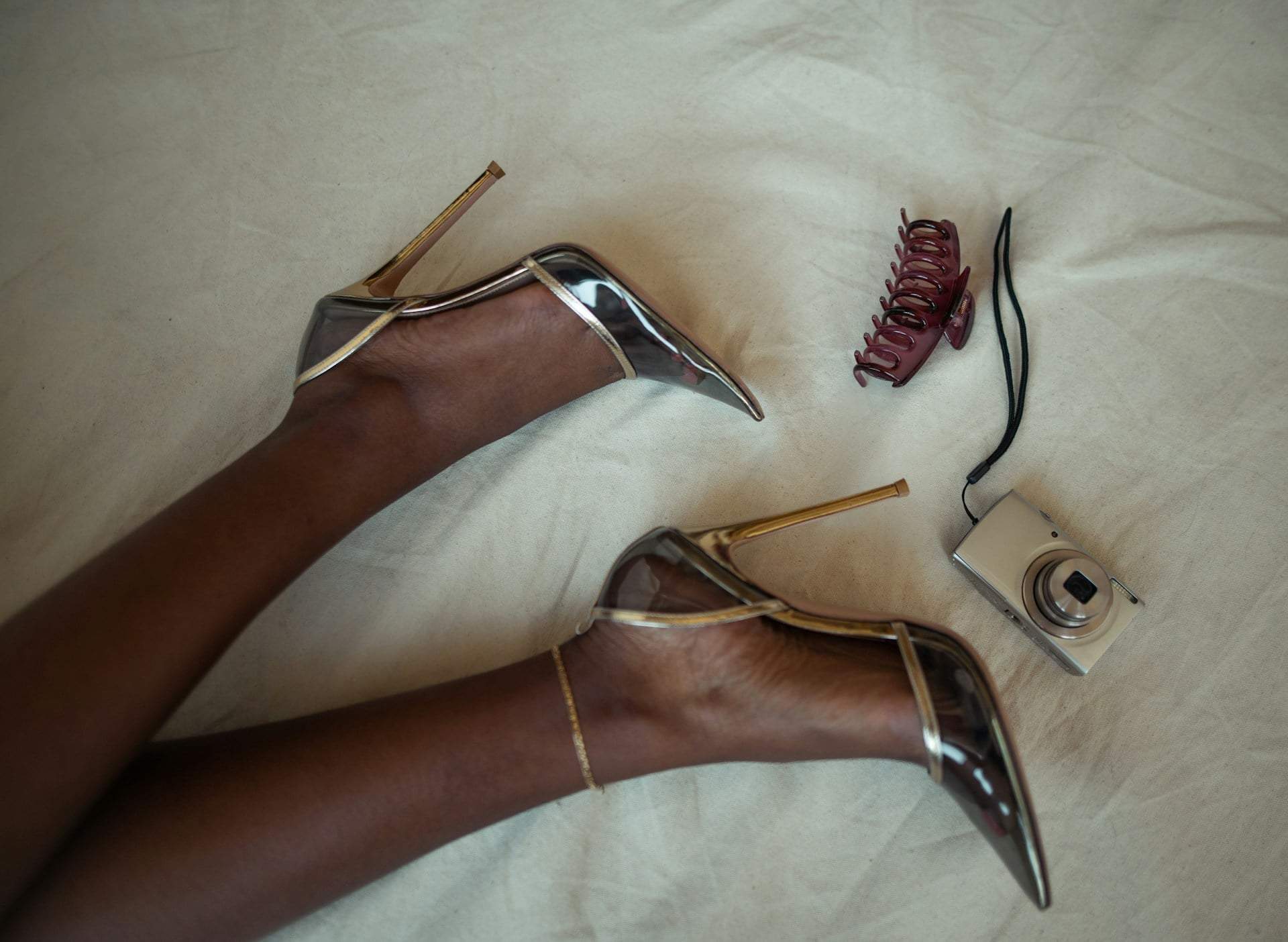
The smartest pre-loved buys are often slightly imperfect items with fixable faults. A cobbler can replace heel tips and soles and rebuild a stacked heel. A good alterations shop can shorten sleeves, replace a lining, take in a waist. A specialist can clean and recondition leather. What tends not to be worth it: cracked, flaking coated surfaces, structural damage to a bag's corners, and anything where the fabric itself has gone thin.
So before you buy, decide what the repair would cost you in effort and add it to the price mentally. If the total still looks good, buy it — and actually book the appointment within the fortnight, or the piece will live in a cupboard as a reproach.
How can I tell if a designer bag is real?
Nobody can promise certainty from photographs, so stack your evidence: consistent hardware quality, neat and square interior labels, even stitching, a seller who can tell you the item's history, and a price that makes sense against similar listings. For higher-value pieces, buy from platforms and shops that authenticate and stand behind it in writing, or pay for an independent authentication before the return window closes. If a seller resists straightforward questions or extra photographs, that answer is the answer.
Is pre-loved actually better value than new high street?
Often, yes — on structured bags, wool coats, leather shoes and tailoring, where the original construction quality shows up years later and the resale price has already taken the first depreciation hit. It is usually worse value on trend-led pieces, delicate knits and anything with elastane, which ages badly regardless of label. Spend your pre-loved budget on the things that were built to outlive a season, and buy the fun, disposable items new and cheap without guilt.