Does the order of ingredients on the label really matter?
It matters at the top and gets fuzzy at the bottom. The first handful of ingredients make up the bulk of the formula and tell you what you're mostly applying — water, oils, humectants, emollients — while everything below the one per cent threshold can be listed in any order, which is why an active can sit near preservatives and fragrance without meaning it's an afterthought. Read the top five for character, and stop trying to reverse-engineer percentages from position alone.
How do I know if a product is actually irritating my skin?
Genuine irritation tends to be persistent and location-specific: stinging that doesn't settle within a minute or two, redness or roughness that appears where you applied the product and improves when you stop, or tightness and flaking that builds over days. A brief tingle on freshly cleansed skin, or a few days of adjustment with a retinoid, is a different thing — but if your skin is sore, swollen or breaking out in a rash, stop the product and speak to a pharmacist or a dermatologist rather than pushing through.
Boring is the goal
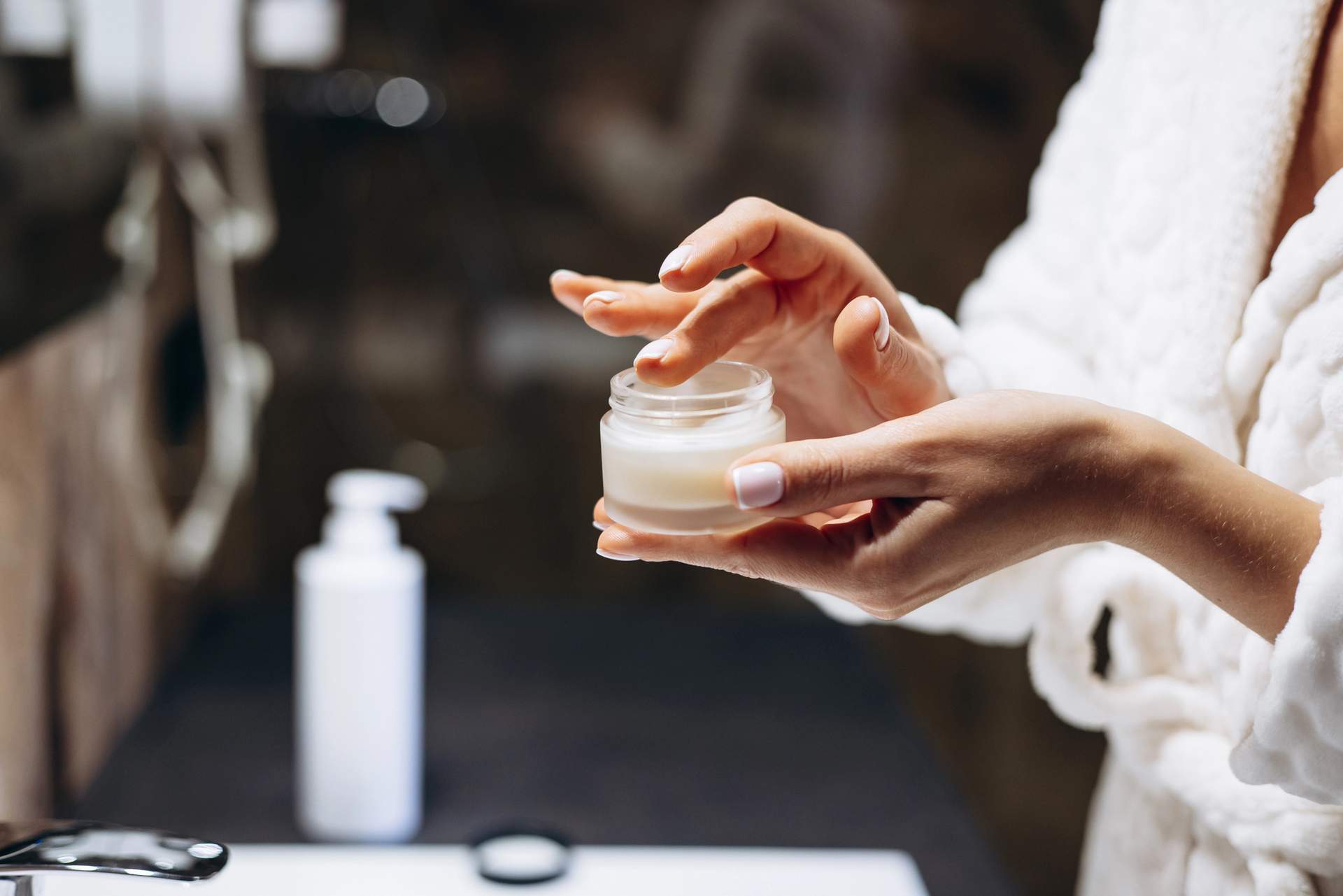
The routines that quietly transform skin are almost always dull: a cleanser that doesn't strip, one active you tolerate, a moisturiser you like the feel of, sunscreen every morning. Nothing about that list photographs well or makes a compelling video. But it is achievable on any budget, it removes the daily verdict of pass or fail, and it lets you use your face cream the way it was intended — without a phone in your other hand.