Distillates
Most healing drinks start with some kind of plant-based distillate.
A distillate is a broad category that includes many types of spirits with different flavors and qualities. They can be made from stone fruits, apples, grains, potatoes, herbs, or even cactus.
Hungarian fruit distillates made with traditional methods are considered a national treasure, and nowadays only these can be called "pálinka." Apple and pear spirits, as well as vodka, have a neutral taste, making them perfect for blending with medicinal herbs. The alcohol content is key with plant distillates.
The higher the alcohol percentage, the better it extracts the healing compounds from the herbs. You can dilute a 70% spirit with water afterward to bring it down to 40%.
A distillate is a broad category that includes many types of spirits with different flavors and qualities. They can be made from stone fruits, apples, grains, potatoes, herbs, or even cactus.
Hungarian fruit distillates made with traditional methods are considered a national treasure, and nowadays only these can be called "pálinka." Apple and pear spirits, as well as vodka, have a neutral taste, making them perfect for blending with medicinal herbs. The alcohol content is key with plant distillates.
The higher the alcohol percentage, the better it extracts the healing compounds from the herbs. You can dilute a 70% spirit with water afterward to bring it down to 40%.
Rum
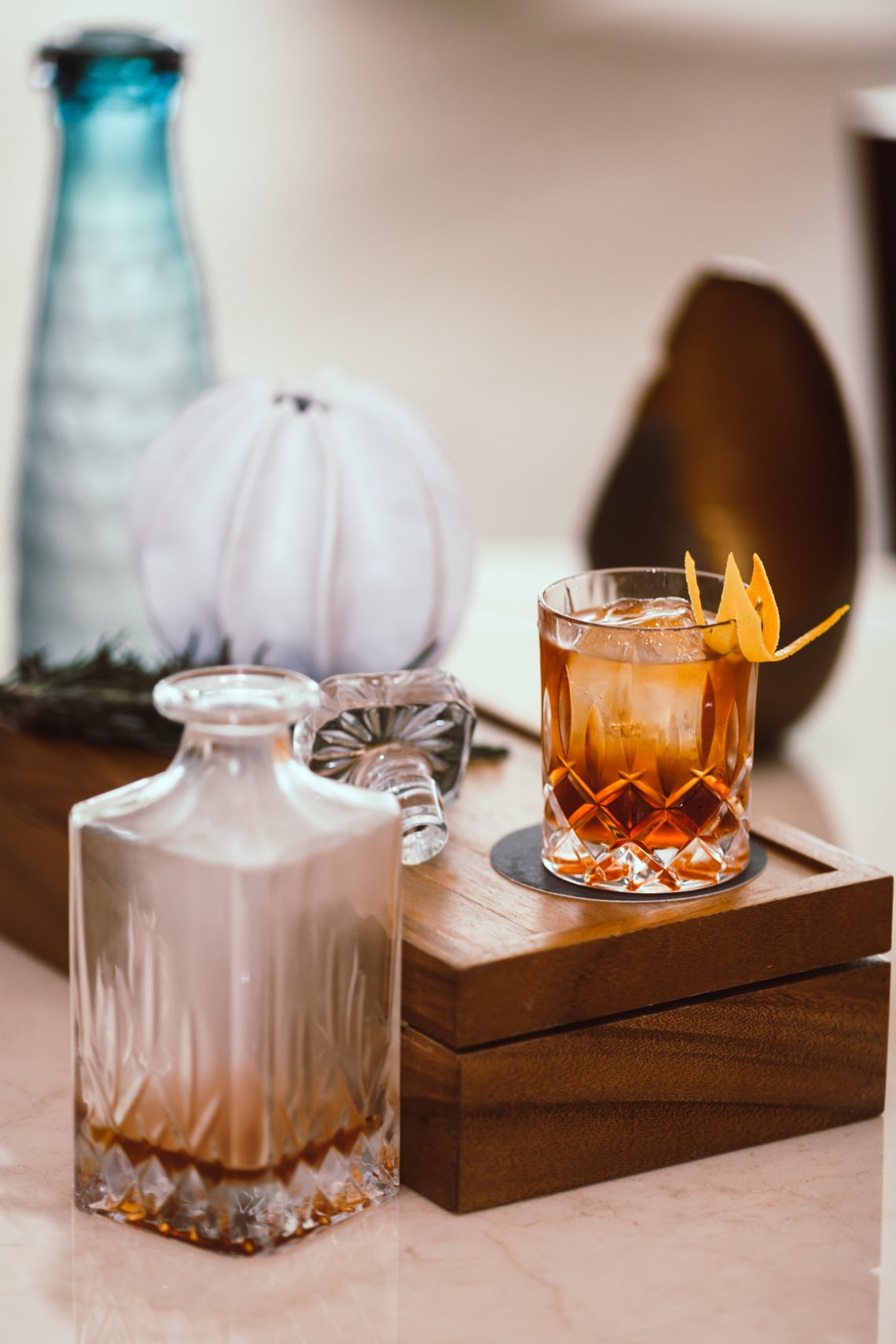
Rum came to Europe after the discovery of America and is made from sugarcane. Shamans in Central and South America used it as a solvent for their healing and magical potions.
Because of its distinctive aroma and flavor, rum isn’t ideal for mixing with European herbs in fruit spirits. Instead, it’s great for cocktails and warming drinks like grogs, teas, and coffees. It pairs beautifully with vanilla, cinnamon, ginger, orange, and star anise. A classic rum-based recipe is fruit preserved in rum.
Because of its distinctive aroma and flavor, rum isn’t ideal for mixing with European herbs in fruit spirits. Instead, it’s great for cocktails and warming drinks like grogs, teas, and coffees. It pairs beautifully with vanilla, cinnamon, ginger, orange, and star anise. A classic rum-based recipe is fruit preserved in rum.
Gin
Gin is one of the quickest spirits to make. It doesn’t need aging and is drinkable just half an hour after production. It was first created in a Dutch chemistry lab to make medicine taste better.
They distilled grain and added juniper berries for flavor. That’s why it’s called Genever, from the French word "genièvre" meaning juniper. Gin works well as a base for drinks needing a relatively neutral taste because juniper’s flavor isn’t overpowering.
They distilled grain and added juniper berries for flavor. That’s why it’s called Genever, from the French word "genièvre" meaning juniper. Gin works well as a base for drinks needing a relatively neutral taste because juniper’s flavor isn’t overpowering.
Wine

Wine isn’t just made from grapes; it can also come from fruits, grains, flower petals, and other ingredients. The process is always the same: wild yeasts settle on the plant, react with the sugars, and produce alcohol.
In medieval monasteries, vineyards were common. Alongside prayer, grape growing was a vital part of monastic life. Monks added healing herbs to their wines, essentially creating medicinal drinks. You can add herbs cold or cook them into the wine. Make sure to strain thoroughly, as even tiny impurities can cloud the wine. These drinks don’t keep long, so enjoy the bottle soon after making.
In medieval monasteries, vineyards were common. Alongside prayer, grape growing was a vital part of monastic life. Monks added healing herbs to their wines, essentially creating medicinal drinks. You can add herbs cold or cook them into the wine. Make sure to strain thoroughly, as even tiny impurities can cloud the wine. These drinks don’t keep long, so enjoy the bottle soon after making.
Cognac

True cognac comes from white wine in the Charente region of France. It’s always a blend of different distillates, so it has no vintage year. After blending, the spirits are returned to oak barrels for several more months of aging.
Fine brandies aren’t suited for herbal infusions. But other fruit brandies, like pomace brandy or the popular Italian grappa, especially the low- or no-sugar varieties, work well for this purpose.
This article is based on Gabriele Bickel’s book "Liqueurs, Brandies, Medicinal Drinks" (Sziget Publishing, 2003).
Fine brandies aren’t suited for herbal infusions. But other fruit brandies, like pomace brandy or the popular Italian grappa, especially the low- or no-sugar varieties, work well for this purpose.
This article is based on Gabriele Bickel’s book "Liqueurs, Brandies, Medicinal Drinks" (Sziget Publishing, 2003).