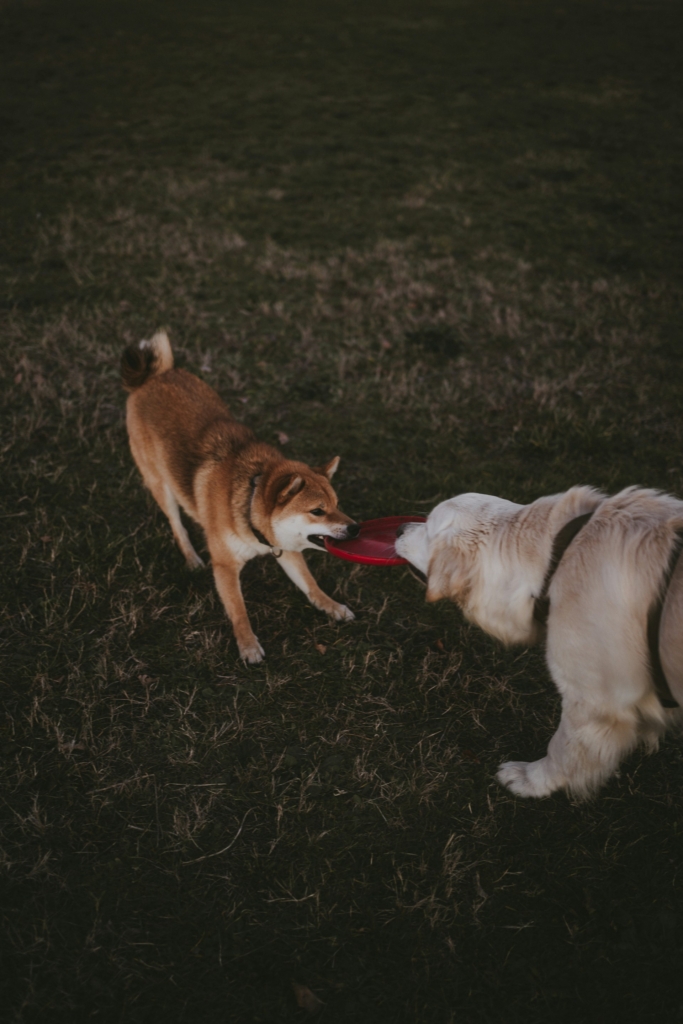
Chances are, many dog owners know another dog from a nearby park or dog run that their pet loves to play with. But do dogs actually form friendships in these moments? Relationships that go beyond just a fun playtime and last over time? Science is increasingly clear: yes.
What Does Friendship Mean for Animals?
When we talk about friendship among people, we usually mean a bond built on trust, shared experiences, and emotional connection. Dogs don’t text or plan dinners, but based on other behaviors and physiological signs, they do form lasting, preference-based bonds.
This isn’t just about human-dog bonds: dogs can make friends with other dogs and even different species.
Observations show some dog pairs regularly seek each other’s company, play joyfully together, and clearly form attachments — just like we do with a close friend.
Cognitive and Emotional Skills Are Key to Friendship
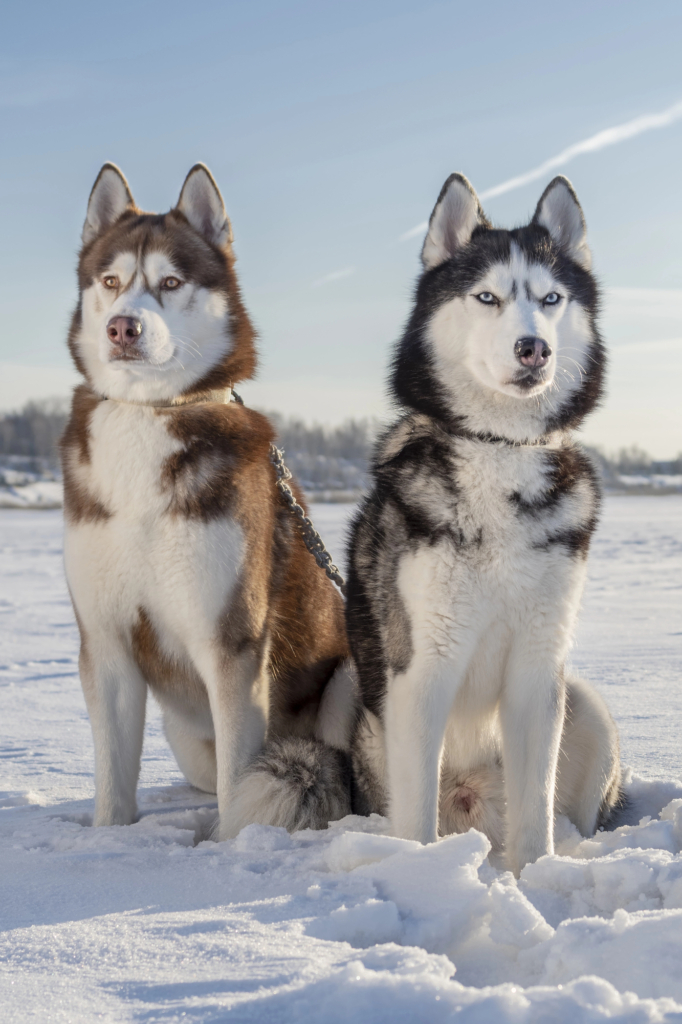
Whether someone can experience friendship depends on cognitive and emotional abilities. Dogs’ brains and behaviors include many elements that allow them to form social bonds. Things like playing together, trust, attachment, and the ability to build lasting relationships are all present in our four-legged friends — some dogs even eagerly seek out the company of a particular dog or another species repeatedly.
This behavior isn’t just a coincidence: it seems dogs intentionally choose companions they enjoy being with and where they feel safe and comfortable.

Friendships Across Species
Interestingly, friendships don’t stop at their own species. Around the world, there are examples of dogs forming close bonds with other species — whether cats, rabbits, or even wild animals.
These patterns suggest dogs’ social skills aren’t just species-specific but part of a broader, emotionally based social capacity. Researchers believe these friendships aren’t random but adaptive strategies: they can reduce stress, boost safety, and offer long-term benefits.
Why Does This Matter to Dog Owners?
When we call dogs “man’s best friend,” it’s more than a saying — it’s a real connection. For owners, it’s reassuring to know science shows real social bonds based on behavior and attachment exist between owners and dogs, or even between dogs themselves. Dogs can prefer certain individuals, seek their company, and enjoy spending time with them.
This insight not only helps us understand dog interactions better but also highlights how we can support our dogs’ social lives — whether at the dog park, on walks, or by regularly meeting familiar “dog friends.”