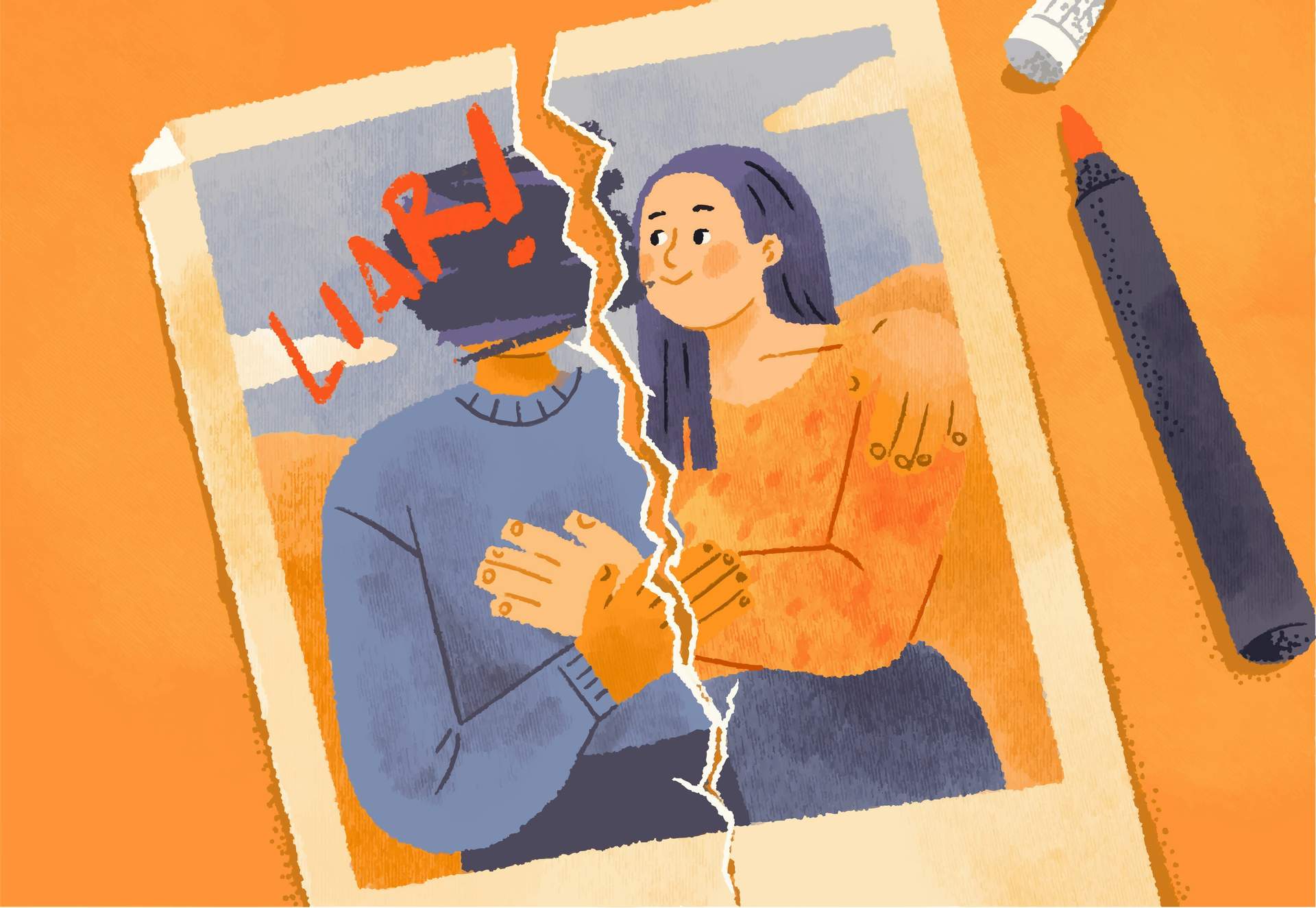
We’ve all been there: feeling deeply sad or having gone through something painful, yet the tears just won’t come. Sometimes, you might even feel like crying is the right thing to do, but the floodgates stay shut. As strange as it feels, this doesn’t mean you’re incapable of emotions or that nothing touches you. In fact, it’s quite common for a past trauma to be the reason someone can’t cry.
How Can Past Trauma Block Crying?
Though we often see crying as a negative emotion, it’s actually a healthy, natural way to process our feelings.
Crying helps ease tension and triggers hormones that support emotional healing and happiness.
In tough moments, crying acts as a natural coping tool. In shared losses or grief, it can even help people connect and share their pain.
Trauma — whether from accidents, violence, loss, or prolonged stress — can place a huge burden on the nervous system. Sometimes emotions get "muted," meaning the body lowers the “volume” on certain feelings. This isn’t a flaw but a survival mechanism: when a situation was overwhelming or dangerous, the nervous system dials down pain, fear, or grief to help you get through it. But over time, this system can get stuck, keeping emotions blocked even when you’re safe.

Many psychologists compare this to a stuck piano key: trauma can "turn off" certain emotions like grief or sadness, so they simply don’t play. It’s not because you’re broken, but because your body learned this as a way to protect itself.
This emotional muting doesn’t happen by accident. Psychologists explain that when a situation overwhelms the nervous system — like serious danger or pain — it "switches off" some emotional channels to help you survive. But this defense doesn’t always reset automatically once the danger passes.
This emotional "numbness" can dull not just crying, but also feelings like grief, anger, or joy. You might feel like you’re watching your life through a glass bubble: you see what’s happening, but don’t fully feel it happening to you.
What Experiences Can Lead to This?
A wide range of traumas can cause this emotional muting. These include childhood abuse or neglect, where expressing feelings was never safe; sudden or extreme stress like accidents, violence, or natural disasters; and long-term stress or anxiety that created ongoing feelings of threat.
What Can You Do If You Can’t Cry?
Advice like "just let go" or "think of something sad" won’t work — nervous system blocks can’t be forced open.

The first and most important step to reconnecting with your emotions is realizing you’re not less or insensitive because you can’t cry.
Your body and mind are processing a past trauma, and turning down feelings was not a flaw but a survival strategy.
Trauma-informed therapists using somatic therapy, EMDR, or other body-focused approaches can help you gradually relearn that emotions are safe and healthy—not threatening.
Crying can be freeing, but if it doesn’t come naturally, forcing it only leads to frustration. The goal is for your nervous system to feel safe enough to experience emotions—not to push a reaction.
If you struggle to cry, it doesn’t mean you lack deep feelings or that you’ll never reconnect with your emotions. With understanding, patience, and the right support, you can reconnect with your feelings—bringing not just tears but richer emotional experiences back into your life.