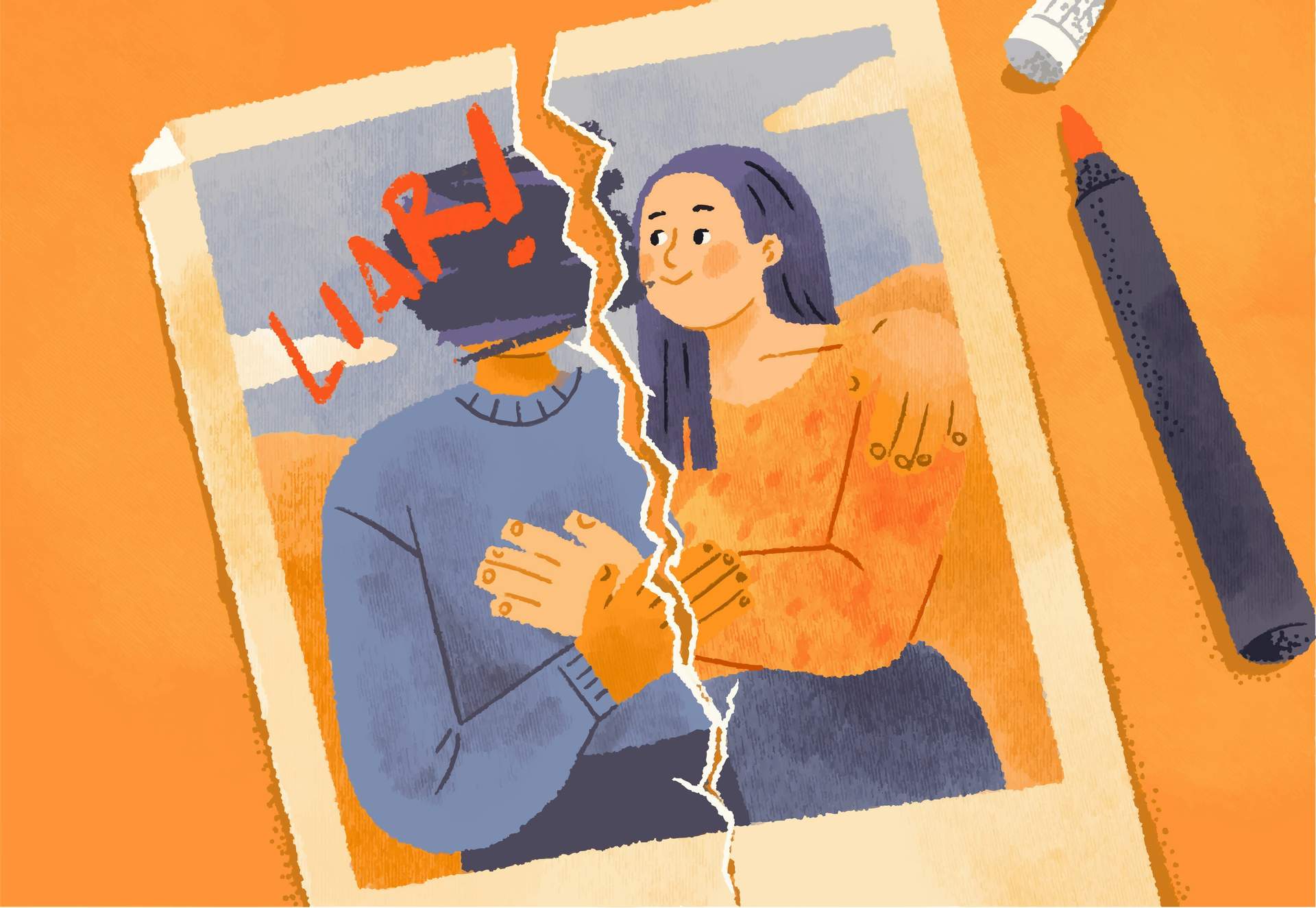
School years leave a lasting mark on all of us, both positive and challenging. Let’s explore three common childhood traumas that continue to influence us as adults. With insights from psychologists, we’ll share ways to recognize and heal from these experiences.
The Impact of School Bullying
School bullying, also known as bullying, is a harsh reality for many kids. Those who endure it often struggle with self-esteem, anxiety, and sometimes depression. As adults, these experiences can chip away at our confidence and hold us back from reaching our full potential.
The feeling of being constantly judged or rejected can follow us well into adulthood. Psychologist Susan Swearer from the University of Nebraska-Lincoln highlights the importance of bringing these traumas to light and working through them so they don’t cloud our daily lives. Finding supportive environments, whether therapy groups or close friends, can make a real difference.
Academic Shame and Fear of Failure
Many children face criticism about their performance at school, which can lead to long-lasting low self-worth. The pressure to perform and fear of failure can create limiting beliefs that make progress in adulthood harder.
Dr. Carol Dweck, a psychologist at Stanford University, suggests cultivating a growth mindset. Viewing mistakes and setbacks as chances to learn helps ease these wounds. The first step is realizing that our current performance doesn’t define who we are.

Social Isolation and Lack of Connections
Feeling like we don’t fit in during school can contribute to social anxiety and challenges with intimacy later in life.
Those who felt lonely as children often find it hard to form deep connections as adults.
Researcher Dr. Brené Brown, known for her work on vulnerability and empathy, believes that deepening social bonds and embracing vulnerability can help heal these wounds. Creating positive connections and practicing open communication can break down these barriers.
How to Recognize These Traumas?
Recognizing childhood traumas as adults can be tough since they often lie buried for years. Persistent feelings of uncertainty in self-worth, anxiety, fear of failure, or emotional withdrawal may signal deeper issues.
Seeing a psychologist can help map and understand these feelings. Expressing emotions through journaling or art can ease the process and gradually open the path to healing.

Ways to Heal
Healing from past traumas takes time and effort, but several approaches can support the journey. Therapies like cognitive behavioral therapy and mindfulness are powerful tools to ease emotional pain and find inner peace.
Seeking supportive communities—whether friends, family, or therapy groups—also plays a key role. It’s essential to allow ourselves to be vulnerable and stay open to new relationships.
Facing trauma isn’t easy, but the work we do on ourselves can unlock long-term growth and happiness.