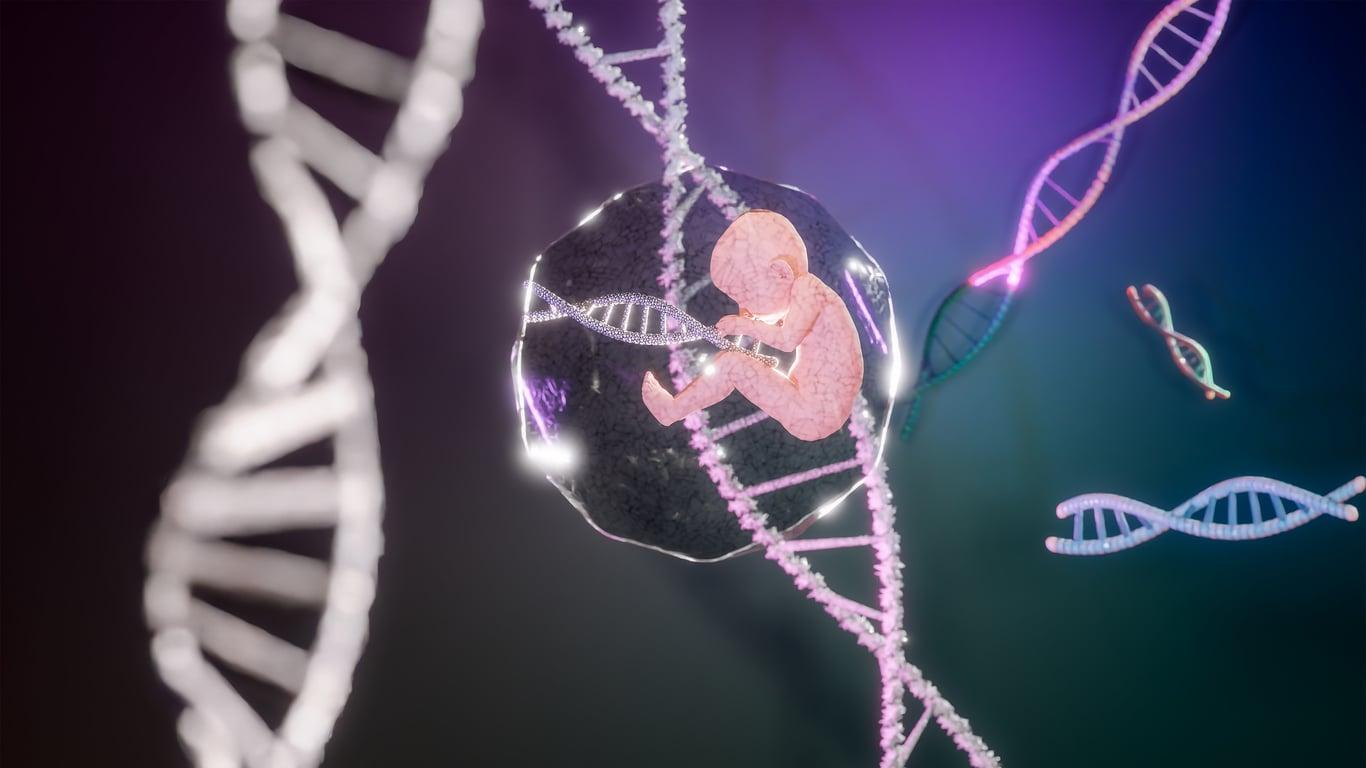
Thanks to scientific progress, we now have the theoretical option not only to choose whether to have children but also to influence what kind of child is born. Advances in genetic research and assisted reproductive technologies mean embryos can undergo genetic testing, allowing parents and doctors to decide which one gets a chance at life based on certain traits.
This option undeniably has deeply humane benefits. Imagine an embryo carrying a genetic disorder incompatible with life—parents and doctors can prevent the start of a heartbreaking and painful journey. These are the pregnancies where babies would sadly pass away in the womb or shortly after birth, often suffering and leaving families with profound loss.
Such screening naturally feels compassionate: no one wants to face the trauma of losing a newborn who can’t survive.
And let’s be honest, it’s hard to see any ill intent when someone says they want a healthy child. Of course, every parent wants that.
Where Do We Draw the Line?
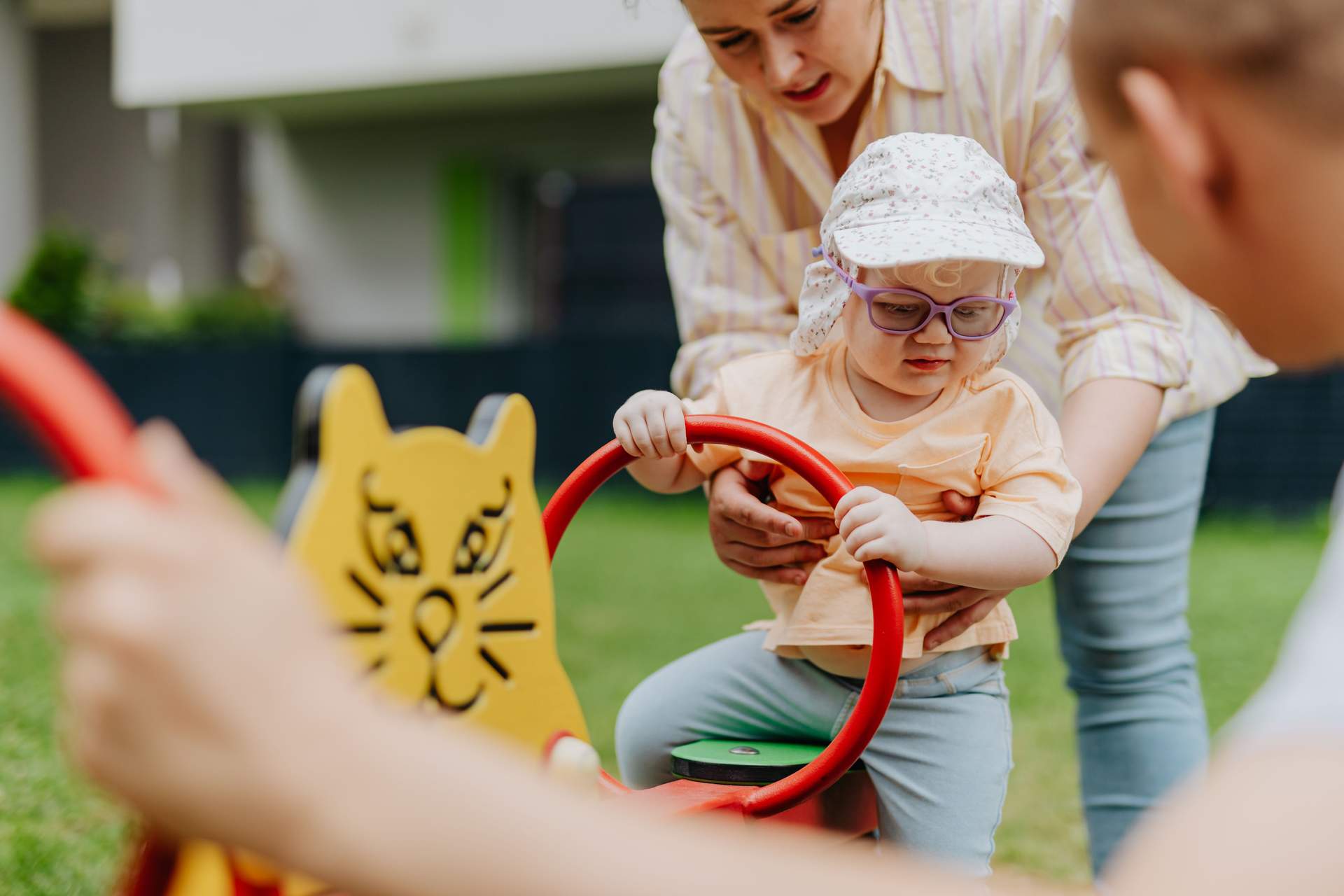
The question gets truly complex when choices go beyond life-threatening conditions. What about children born with manageable health challenges? For example, with mobility impairments, vision or hearing loss? Or those who develop neurodivergently, such as with autism, ADHD, or other neurological differences?
And once the technology exists, who knows how far parents’ choices might go. Do we stop at filtering out severe illnesses? Or do we take a step further and try to "optimize" our children? Can we pick their gender? Eye color? Intelligence or athletic potential? Where does medical responsibility end and parental desire begin?
"I Love Them No Matter What"
It’s tough to talk about this in theory as a parent. Before having children, it might be easier to say, "I only want a healthy child and would do anything to ensure that." But once the child is here, everything changes.
For example, if you’d asked me during my pregnancy if I wanted a child with autism, I probably would have said no. Who would say yes to that question?
Now, with an autistic daughter, I wouldn’t trade her for anything or anyone. She’s perfect in her own way. She’s my child, and her unique personality, perspective, and existence have shaped who I am today. Every day, I feel grateful to be her mom.
I believe many parents feel this way—not because they ignore the challenges, but because they love their child for who they are, not for fitting some prewritten "ideal."
And maybe that’s the key: while we all want the best for our kids, parenting is really about embracing uncertainty. We can’t know what kind of child we’ll have. Will they face health issues? Will they love math or sing off-key? We don’t know what challenges or gifts their unique personality will bring.
Having a child is always a risk and a sacrifice. But it’s also a chance to love someone unconditionally, just as they are—with their flaws, struggles, and differences.
That’s why I think screening for life-incompatible conditions is understandable and humane. But if the temptation to "design" our children grows too strong, maybe we don’t truly want children—or we aren’t ready for the real task of parenting: accepting that life won’t always go as planned, yet it can still be full, beautiful, and meaningful.