In a well-functioning healthcare system, expertise is expected, but so is a kind glance and a reassuring word alongside thorough information—not just a rushed exam delivered with a cold tone. This topic is incredibly complex and two-sided. That’s partly why more and more people hope artificial intelligence can bring change here.
I’ve been to private clinics where instead of the attentive care I hoped for, I felt like just a number in the system. I’m lucky enough to afford private care when needed, but it’s deeply sad that for many, this is the only way to see a doctor.
Even here, I often find that paying tens of thousands of forints (around 90 USD) doesn’t guarantee genuine attention. I’m empathetic and patient, but if I’m paying extra, I want to be treated with understanding and respect.
And I’m not alone in this
A 2023 American survey found that over 70% of patients say their biggest fear about healthcare isn’t not getting cured, but not being heard.
Feedback shows the real issue isn’t necessarily with doctors, but that they’re overwhelmed and burnt out, lost in administrative mazes instead of having time for the vital human connection.

Here’s where artificial intelligence steps in
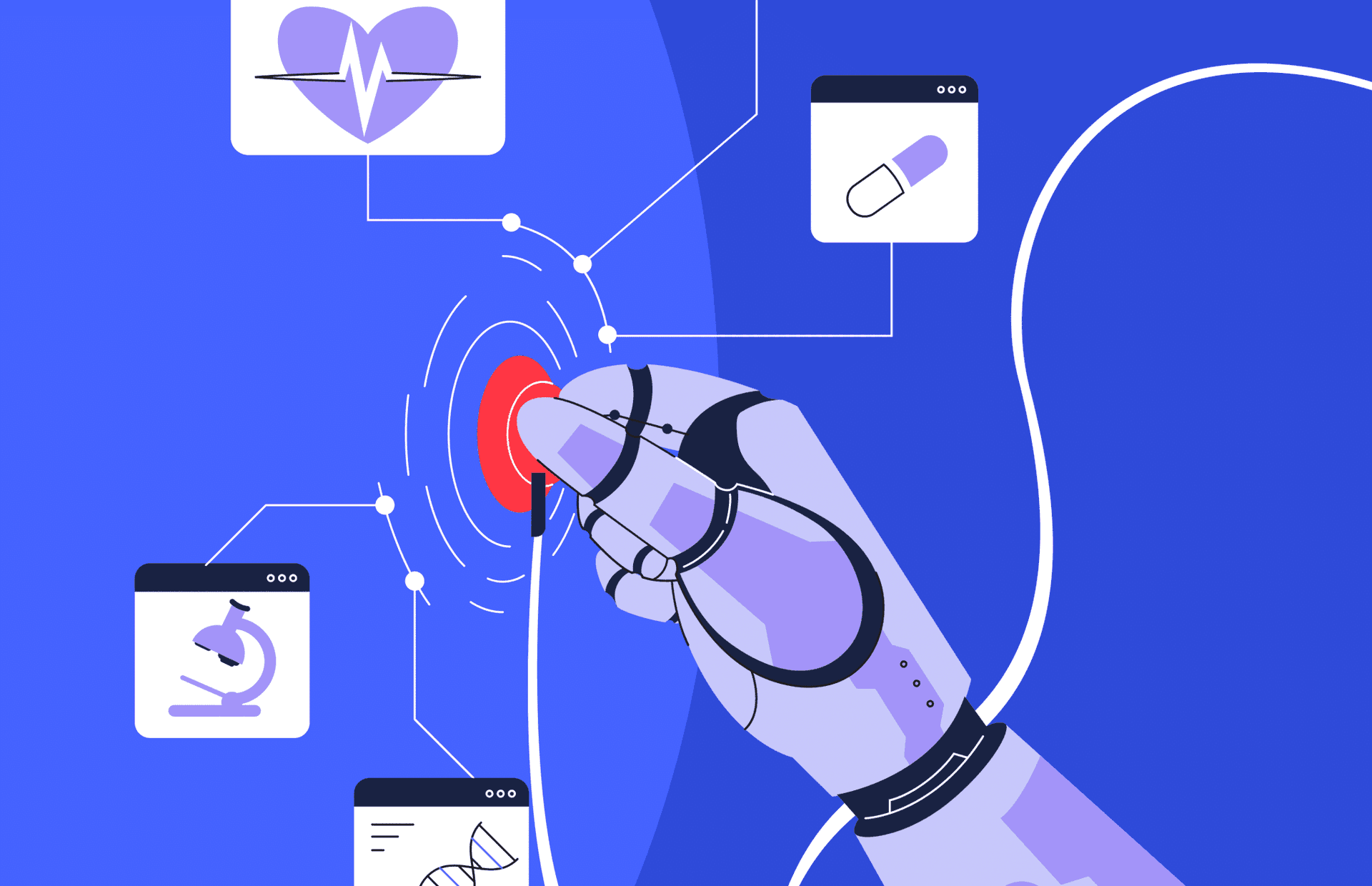
While AI won’t give hugs or cry with us, used wisely it can lift the burden off healthcare workers’ shoulders. Imagine if doctors spent less time—maybe 2-3 hours daily—on paperwork because a smart algorithm handled it. That could free up time to focus on patients.
Studies show doctors spend up to 70% of their time on admin—time they could be spending talking with us…
AI can also help tailor treatments. By analyzing medical history and genetic data, professionals can find therapies that truly work. This makes care not only more precise but emotionally safer—no more “let’s try and see” approaches.
Available to us around the clock
Maybe it’s just me, but family emergencies often happen on holidays or weekends. Sure, serious cases will still mean hospital visits for years to come. But AI-driven chatbots and health apps are accessible 24/7.
If you panic at 3 a.m. over a medication side effect, you don’t have to wait until morning. A system programmed for empathetic responses can help you make the right call immediately. (And honestly, you’ll probably get a kinder reply than calling an emergency clinic or pharmacy at that hour.)
Of course, technology is just a tool—even one advancing fast. The goal remains for us humans to connect with real care, empathy, and understanding. But if AI helps healthcare pros find time and patience to truly listen while bringing their best selves… then maybe it’s not so strange to think technology could bring back the human touch in medicine.